Al-Jawf weather: Winds and dust in Sakaka and 3 governorates until Saturday

National Center for Meteorology warnings regarding Al-Jawf weather
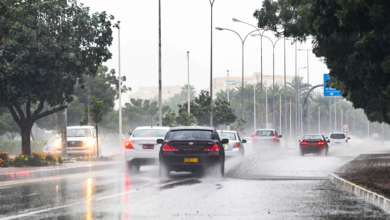
The National Center for Meteorology in Saudi Arabia issued an important and urgent weather alert for the Al-Jawf region, warning of strong winds and dust storms that will directly affect several cities and governorates in the region. These warnings are part of the center's commitment to the safety of citizens and residents and to providing accurate information about weather fluctuations.
Areas covered and weather details
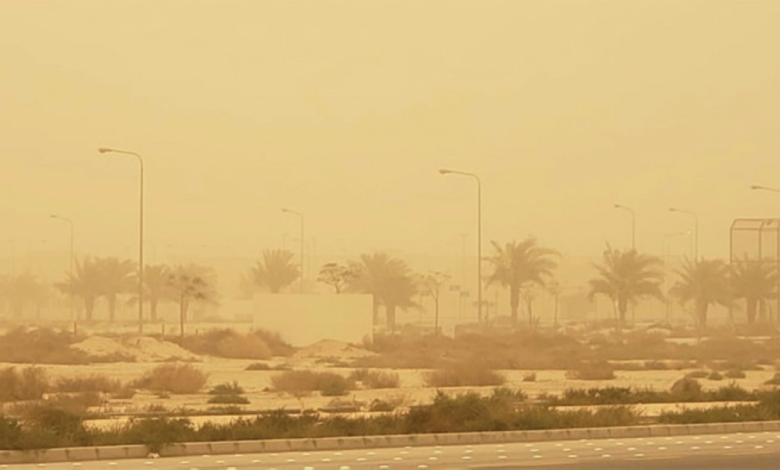
According to the official report issued by the center, the city of Sakaka, along with three major governorates—Dumat al-Jandal, Tabarjal, and Qurayyat—are expected to be affected by active surface winds that will stir up dust and sand. The center explained that this condition will lead to near-zero horizontal visibility, with visibility expected to drop to between one and three kilometers. The center indicated that this weather condition will begin, God willing, at 9:00 AM and continue until 6:00 PM on Saturday.
The geographical and climatic context of the Kingdom
Historically and geographically, Saudi Arabia, due to its location on the Arabian Peninsula and its desert landscape, is frequently exposed to dust storms and sandstorms, especially during seasonal transitions (such as spring and autumn). The Al-Jawf region, located in the far north of the Kingdom, serves as a gateway for air masses originating from the Levant and the Mediterranean basin, making it susceptible to rapid weather changes and significant pressure variations that cause noticeable wind activity.
Local and regional impacts of the phenomenon
Locally, these weather fluctuations have direct impacts on daily life. From a traffic perspective, reduced visibility poses a danger to motorists traveling on highways connecting Al-Jawf province with the rest of the Kingdom. From a health perspective, the dust storms affect those with respiratory conditions and asthma, necessitating caution. Agriculturally, Al-Jawf is considered the "olive basket of the Kingdom" and one of its most important agricultural regions, and strong winds could damage some crops if they persist for extended periods.
Regionally and internationally, the increasing frequency of dust storms is linked to the phenomena of climate change and desertification affecting the world. In this context, the strategic initiatives launched by the Kingdom, most notably the Saudi Green Initiative and the Middle East Green Initiative, are of paramount importance. These initiatives aim to plant billions of trees to increase vegetation cover, which will contribute in the long term to stabilizing the soil, reducing the severity of dust storms, and improving the quality of life and climate both locally and regionally.
Safety and prevention guidelines
Under these weather conditions, relevant authorities, including the General Directorate of Civil Defense and the Ministry of Health, emphasize the importance of following safety guidelines. It is advised to stay indoors as much as possible during the peak of the dust storm, to keep windows and doors tightly closed, and to wear face masks when going out. Drivers are also urged to exercise extreme caution, maintain a safe distance, use hazard lights, and adhere to speed limits to ensure everyone's safety until the weather event passes.