
استعدادات مبكرة لضمان سلامة ضيوف الرحمن
في إطار الاستعدادات المبكرة لموسم حج عام 1447هـ، كثفت الجهات الرقابية في محافظة الخرمة، التابعة لمنطقة مكة المكرمة، من حملاتها الميدانية لرفع مستوى الجاهزية التشغيلية في جميع المسالخ التابعة لها. تأتي هذه الخطوات الاستباقية لضمان تطبيق كافة الاشتراطات الصحية والبيئية المعتمدة، وتوفير بيئة آمنة وصحية لاستقبال الأضاحي التي تعد جزءاً أساسياً من شعائر الحج.
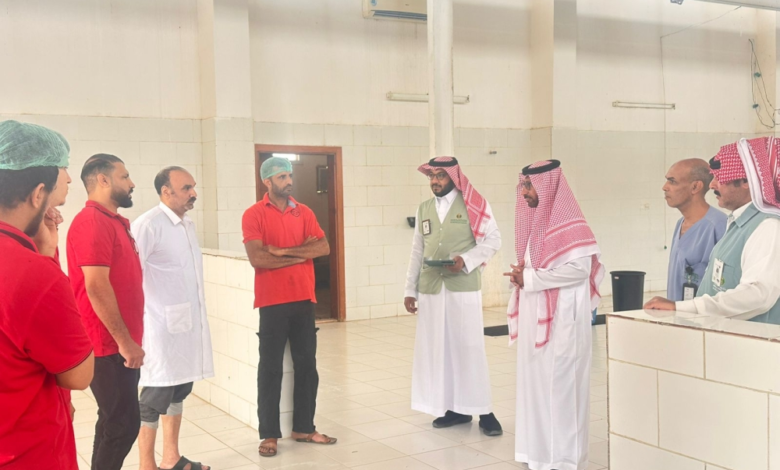
وقاد مدير مكتب وزارة البيئة والمياه والزراعة بمحافظة الخرمة، المهندس عبدالله السبيعي، جولات تفتيشية موسعة يرافقه فريق الرقابة والامتثال. وشملت الجولات الوقوف ميدانياً على سير العمل داخل المسالخ والمراكز التابعة للمحافظة، بهدف التحقق من تطبيق أعلى معايير الجودة والسلامة.
خلفية وأهمية الاستعداد لموسم الحج
يُعد موسم الحج أكبر تجمع ديني سنوي في العالم، حيث يفد ملايين المسلمين إلى مكة المكرمة لأداء الركن الخامس من أركان الإسلام. وتشكل إدارة هذا الحدث الضخم تحدياً لوجستياً هائلاً تتضافر فيه جهود كافة قطاعات الدولة في المملكة العربية السعودية. ومن أبرز شعائر الحج تقديم الأضاحي (الهدي والفدي)، مما يترتب عليه ذبح ملايين المواشي في فترة زمنية قصيرة. وهنا تبرز الأهمية القصوى لجاهزية المسالخ النظامية لضمان أن تتم عمليات الذبح بطريقة صحية وآمنة، وبما يتوافق مع الشريعة الإسلامية والمعايير البيئية العالمية.
تفاصيل الحملات الرقابية في الخرمة
شملت الجولات التفقدية التي نفذها مكتب الوزارة بالخرمة عدة محاور رئيسية، منها متابعة أعمال النظافة والتعقيم المستمرة للمرافق، وتقييم جاهزية الكوادر البيطرية والفنية المكلفة بالكشف على المواشي قبل وبعد الذبح. كما تم فحص سلامة وكفاءة تجهيزات الذبح والتبريد، والتأكد من توفر كافة متطلبات السلامة والصحة المهنية للعاملين في المسالخ.
وأكد المهندس السبيعي على أهمية تكثيف الجولات الرقابية ورفع الكفاءة التشغيلية للمرافق، مشدداً على ضرورة التزام مشغلي المسالخ بالأنظمة المعتمدة لعمليات الذبح، وتطبيق آليات التخلص الآمن من المخلفات لمنع أي تلوث بيئي أو مخاطر صحية.
التأثير المحلي والإقليمي للجاهزية
إن هذه الاستعدادات لا تقتصر أهميتها على محافظة الخرمة فحسب، بل هي جزء لا يتجزأ من منظومة متكاملة تشرف عليها حكومة المملكة لخدمة ضيوف الرحمن. على الصعيد المحلي، تضمن هذه الإجراءات حماية الصحة العامة للمواطنين والمقيمين والحجاج، وتمنع انتشار الأمراض التي قد تنتقل عن طريق اللحوم الملوثة. كما تساهم في الحفاظ على البيئة من خلال الإدارة السليمة للنفايات. أما على الصعيدين الإقليمي والدولي، فإن نجاح إدارة عمليات الأضاحي يعكس قدرة المملكة على تنظيم وإدارة شؤون الحج بكفاءة عالية، مما يعزز مكانتها كقائدة للعالم الإسلامي وراعٍ للحرمين الشريفين، ويضمن عودة الحجاج إلى بلدانهم بصحة وسلامة.
ودعا مدير المكتب إلى تعزيز الوعي المجتمعي بأهمية الذبح داخل المسالخ النظامية المعتمدة، باعتبارها خطوة أساسية للحفاظ على البيئة وحماية الصحة العامة وضمان سلامة الغذاء المقدم للمستهلكين وللفقراء والمحتاجين عبر مشروع المملكة للإفادة من الهدي والأضاحي.