
Strict US military preparedness despite the temporary truce
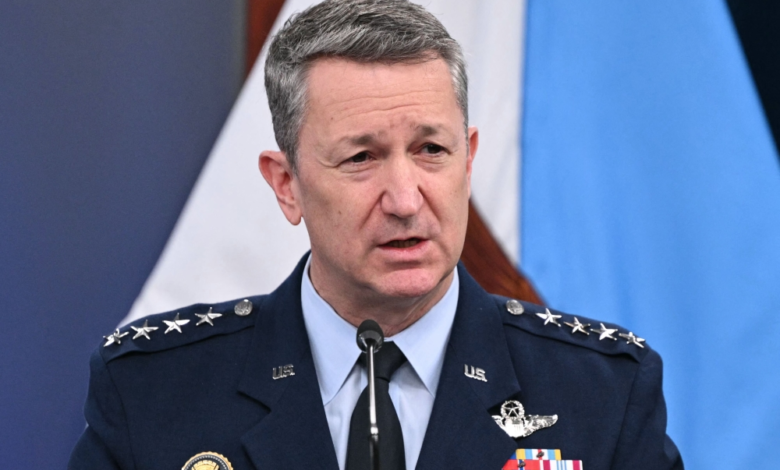
In a decisive statement on Wednesday, the Chairman of the US Joint Chiefs of Staff, General Dan Keane, affirmed that the US armed forces are fully prepared to resume combat operations against Iran should the temporary truce between the two countries end or collapse. These remarks were made during a joint press conference with US Secretary of Defense Pete Higgseth, where Washington's firm military stance in dealing with current tensions in the Middle East was underscored.
General Keane stressed in clear and direct terms: “Let’s be clear, the current ceasefire is just a temporary truce. The U.S. armed forces will remain fully prepared and, if ordered or requested, are ready to resume combat operations with the same speed and precision that we have demonstrated over the past 38 days.”.
General context and historical background of US-Iranian tensions
These military statements were not spontaneous, but rather the culmination of decades of complex geopolitical tensions between Washington and Tehran. Since the late 1970s, relations between the two countries have been characterized by persistent hostility, punctuated by numerous diplomatic and military crises. These tensions have escalated significantly in recent years, particularly after the United States withdrew from the Iran nuclear deal and subsequently imposed harsh economic sanctions on Tehran.
Over the past years, the region has witnessed a series of security incidents, including attacks on commercial vessels in the Strait of Hormuz and retaliatory attacks by proxies in countries such as Iraq, Syria, and Yemen. This long history of proxy conflict and indirect confrontations has made the American military presence in the region, specifically within the area of responsibility of the U.S. Central Command, a strategic necessity for protecting American interests and those of its allies.
The importance of the event and its expected regional and international impact
The statements made by the US military leadership carry extremely important implications and far-reaching effects on several levels:
Regionally, these statements represent a strong message of reassurance to the United States' strategic allies in the Middle East and the Arabian Gulf, reaffirming the unwavering American commitment to protecting the region's security from any potential threats. They also serve as a crucial deterrent against any Iranian attempts to exploit the ceasefire period to redeploy its military forces or bolster the capabilities of its regional proxies.
Internationally, the international community is watching these developments with grave concern, given the region's sensitivity and its direct impact on the global economy. Any resumption of hostilities or collapse of the ceasefire could lead to severe disruptions in global energy markets, as a significant portion of oil and gas supplies pass through waterways near Iran. Furthermore, military escalation could complicate international diplomatic efforts aimed at achieving long-term stability and present global powers with unprecedented security and economic challenges.
In conclusion, these statements reflect the classic American deterrence strategy, which relies on keeping the military option firmly on the table, even during times of diplomatic calm or temporary truces, to ensure that red lines are not crossed in one of the world’s most complex and volatile regions.