
بدء إجلاء ركاب السفينة السياحية ‘إم في هونديوس’
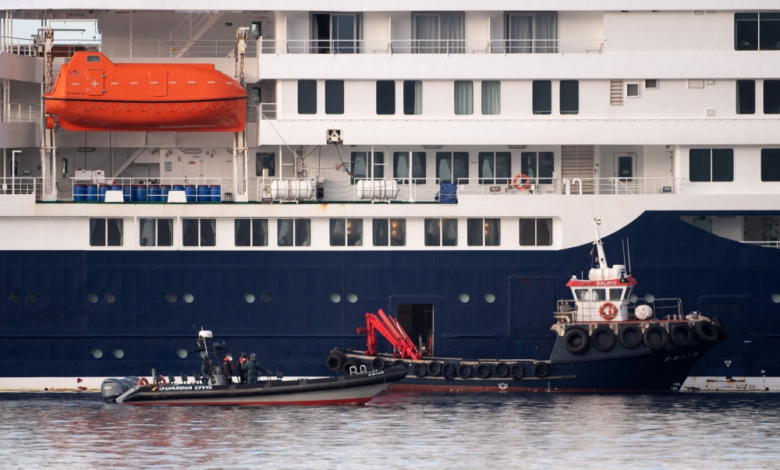
بدأت السلطات الإسبانية بالتعاون مع عدة دول عملية إجلاء ركاب السفينة السياحية “إم في هونديوس”، التي رست في ميناء تينيريفي بجزر الكناري، بعد تأكيد وجود مخاوف صحية مرتبطة بفيروس “هانتا” على متنها. وتأتي هذه الخطوة كإجراء احترازي لضمان سلامة الركاب والطاقم ومنع أي مخاطر محتملة، وسط تنسيق دولي عالي المستوى.
ووفقاً للبيانات الصادرة عن السلطات الصحية الإسبانية، لم تظهر أعراض الإصابة بالفيروس على أي من الركاب أثناء وجودهم على السفينة. وقد بدأت عملية الإجلاء بنقل 14 راكباً إسبانياً جواً إلى أحد المستشفيات المجهزة في العاصمة مدريد لإجراء الفحوصات اللازمة ووضعهم تحت المراقبة الطبية كإجراء وقائي.
جهود دولية منسقة لإعادة الرعايا
في سياق متصل، قامت السلطات الفرنسية بإجلاء خمسة من رعاياها كانوا على متن السفينة. وأوضح مسؤولون فرنسيون أن أحد الركاب الخمسة بدأت تظهر عليه أعراض مشتبه بها خلال رحلة العودة الجوية من تينيريفي إلى باريس، مما استدعى تفعيل بروتوكولات العزل الصحي الفوري عند وصوله. ومن المقرر أن تستمر عمليات الإجلاء لتشمل رعايا من دول أخرى، بما في ذلك كندا، هولندا، المملكة المتحدة، تركيا، أيرلندا، والولايات المتحدة الأمريكية، حيث تتواصل سفارات هذه الدول مع السلطات الإسبانية لتنسيق رحلات العودة الآمنة لمواطنيها.
ما هو فيروس هانتا؟ وما مدى خطورته؟
فيروس هانتا هو مجموعة من الفيروسات التي تنتشر بشكل أساسي عن طريق القوارض، مثل الفئران والجرذان. تنتقل العدوى إلى البشر عادةً عن طريق استنشاق جزيئات الهواء الملوثة ببول أو براز أو لعاب القوارض المصابة. على عكس فيروسات مثل كورونا، يعتبر انتقال فيروس هانتا من إنسان إلى آخر أمراً نادراً للغاية، وهو ما يقلل من خطر تحوله إلى وباء واسع النطاق. تتراوح أعراض الإصابة به بين الحمى وآلام العضلات والصداع، وقد تتطور في حالات متقدمة إلى متلازمة رئوية خطيرة أو حمى نزفية مع متلازمة كلوية.
السياق التاريخي والأهمية الصحية
اكتُشف فيروس هانتا لأول مرة خلال الحرب الكورية في الخمسينيات من القرن الماضي، ومنذ ذلك الحين، تم تسجيل حالات تفشٍ متفرقة في أجزاء مختلفة من العالم. الحادثة على متن السفينة “إم في هونديوس” تعيد إلى الأذهان التحديات الصحية التي تواجهها السفن السياحية، والتي أصبحت تحت المجهر بشكل كبير بعد جائحة كوفيد-19. وفي هذا الإطار، طمأن المدير العام لمنظمة الصحة العالمية، الدكتور تيدروس أدهانوم غيبريسوس، الرأي العام خلال مؤتمر صحفي عُقد في تينيريفي، مؤكداً أن “هذا التفشي ليس جائحة أخرى مثل كوفيد، وأن الخطر على عامة الناس منخفض”. يعكس التحرك السريع والمنسق بين الدول ومنظمة الصحة العالمية الدروس المستفادة من الأزمات الصحية السابقة، وأهمية الشفافية والتعاون الدولي في إدارة الطوارئ الصحية العالمية.