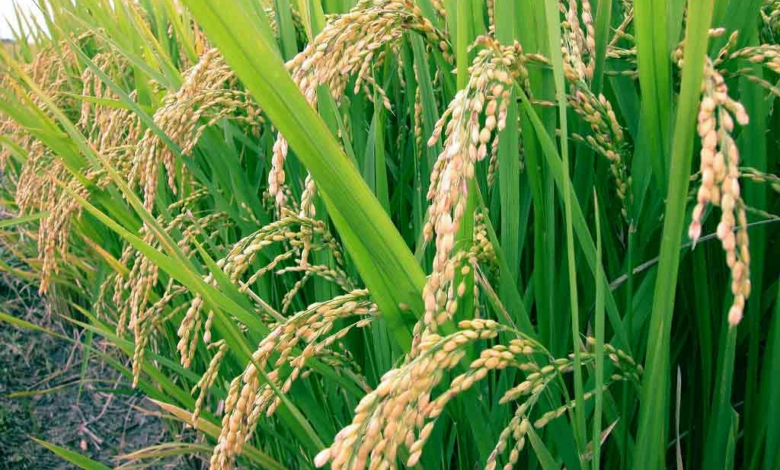

شهدت أسعار الأرز في الأسواق الآسيوية خلال شهر مايو الماضي أكبر قفزة شهرية لها منذ ما يقرب من عقدين، في مؤشر ينذر بتصاعد الضغوط على الأمن الغذائي العالمي. ويأتي هذا الارتفاع القياسي مدفوعًا بمزيج معقد من العوامل، أبرزها المخاوف من تأثيرات ظاهرة “إل نينيو” المناخية، والزيادة الحادة في تكاليف الإنتاج من طاقة وأسمدة نتيجة للاضطرابات الجيوسياسية العالمية، وعلى رأسها الحرب في أوكرانيا.
وفقًا للبيانات السوقية، قفز سعر الأرز الأبيض التايلاندي، الذي يُعتبر المعيار الرئيسي للأسعار في آسيا، بنسبة 20% خلال شهر مايو وحده، وهو أكبر ارتفاع شهري مسجل منذ أزمة الغذاء العالمية في عام 2008. بالتوازي مع ذلك، ارتفعت العقود الآجلة للأرز في بورصة شيكاغو التجارية بنسبة 15% خلال نفس الفترة، مما يعكس قلق المستثمرين والمشترين الدوليين من مستقبل إمدادات هذا المحصول الحيوي.
السياق العام والخلفية التاريخية
يعتبر الأرز الغذاء الأساسي لأكثر من نصف سكان العالم، وتتركز زراعته واستهلاكه بشكل كبير في قارة آسيا. وتعد دول مثل الهند وتايلاند وفيتنام من أكبر المصدرين العالميين، بينما تمثل الصين والفلبين وإندونيسيا أسواقًا استهلاكية ضخمة. تاريخيًا، كانت أسواق الأرز عرضة لتقلبات حادة، أبرزها ما حدث في عام 2008 عندما أدت قرارات بعض الدول بفرض حظر على التصدير إلى حالة من الذعر في الأسواق العالمية، مما أدى إلى مضاعفة الأسعار ثلاث مرات تقريبًا خلال بضعة أشهر، وهو سيناريو يخشى المحللون من تكرار ملامحه في ظل الظروف الحالية.
أهمية الحدث وتأثيره المتوقع
حذرت بين هوي أونغ، محللة السلع الأولية لدى “BMI” التابعة لمؤسسة “Fitch Solutions”، من أن الأسعار مرشحة لمواصلة مسارها الصعودي. وأشارت إلى أن ظاهرة “إل نينيو” المناخية المتوقعة، والتي عادة ما تجلب معها طقسًا أكثر حرارة وجفافًا إلى مناطق واسعة من جنوب شرق آسيا، تمثل عاملًا إضافيًا قد يدفع الأسعار إلى مستويات أعلى عبر التأثير سلبًا على حجم المحاصيل.
على الصعيدين المحلي والإقليمي، يضع هذا الارتفاع ضغوطًا هائلة على المزارعين الذين يواجهون تكاليف إنتاج باهظة، وفي الوقت نفسه يهدد بارتفاع معدلات التضخم للمستهلكين في الدول الآسيوية. أما دوليًا، فإن أي نقص في إمدادات الأرز أو ارتفاع كبير في أسعاره يهدد الأمن الغذائي في الدول المستوردة، خاصة في إفريقيا والشرق الأوسط، والتي تعتمد بشكل كبير على الواردات الآسيوية لتلبية احتياجاتها. ومع بدء موسم زراعة المحصول الرئيسي في العديد من المناطق، اضطر بعض المزارعين بالفعل إلى تقليص المساحات المزروعة أو تأجيل الزراعة، مما يزيد من المخاوف بشأن حجم الحصاد في المستقبل القريب.