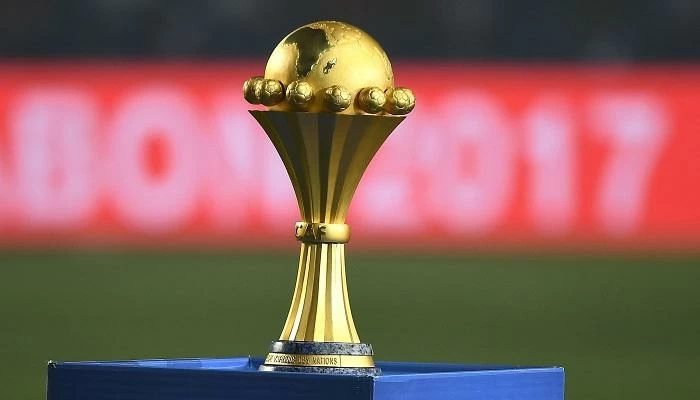

The draw for the qualifiers for the 2027 Africa Cup of Nations was held today (Tuesday) at the headquarters of the Egyptian Football Association in Cairo.
The next edition of the Africa Cup of Nations is scheduled to take place in Kenya, Tanzania and Uganda from June 19 to July 17, 2027.
Groups of the 2027 Africa Cup of Nations
Group A: Morocco, Gabon, Niger, Lesotho
Group Two: Egypt, Angola, Malawi, South Sudan
Group 3: Ivory Coast, Ghana, Gambia, Somalia
Group D: South Africa, Guinea, Kenya, Eritrea
Group Five: Democratic Republic of Congo, Equatorial Guinea, Sierra Leone, Zimbabwe
Group 6: Burkina Faso, Benin, Mauritania, Central African Republic
Group 7: Cameroon, Comoros, Namibia, Congo
Group 8: Tunisia, Uganda, Libya, Botswana
Group 9: Algeria, Zambia, Togo, Burundi
Group 10: Senegal, Mozambique, Sudan, Ethiopia
Group Eleven: Mali, Cape Verde, Rwanda, Liberia
Group Twelve: Nigeria, Madagascar, Tanzania, Guinea-Bissau
Qualification system
The top two teams from each group qualify for the 2027 Africa Cup of Nations finals, while an additional team from groups that include one of the host countries qualifies to participate in the tournament.
Clearing dates
The qualifiers will be held in three periods, from September 21 to October 6, from November 9 to 17 of this year, and then from March 22 to 30 of next year.
The draw for the qualifiers for the 2027 Africa Cup of Nations was held today (Tuesday) at the headquarters of the Egyptian Football Association in Cairo.
The next edition of the Africa Cup of Nations is scheduled to take place in Kenya, Tanzania, and Uganda from June 19 to July 17, 2027.
AFCON 2027 Groups
Group A: Morocco, Gabon, Niger, Lesotho
Group B: Egypt, Angola, Malawi, South Sudan
Group C: Ivory Coast, Ghana, Gambia, Somalia
Group D: South Africa, Guinea, Kenya, Eritrea
Group E: Democratic Republic of the Congo, Equatorial Guinea, Sierra Leone, Zimbabwe
Group F: Burkina Faso, Benin, Mauritania, Central African Republic
Group G: Cameroon, Comoros, Namibia, Congo
Group H: Tunisia, Uganda, Libya, Botswana
Group I: Algeria, Zambia, Togo, Burundi
Group J: Senegal, Mozambique, Sudan, Ethiopia
Group K: Mali, Cape Verde, Rwanda, Liberia
Group L: Nigeria, Madagascar, Tanzania, Guinea-Bissau
Qualification System
The top team and the runner-up from each group will qualify for the 2027 Africa Cup of Nations, while an additional team from the groups that include one of the host countries will also qualify for the tournament.
Qualification Dates
The qualifiers will take place over three periods: from September 21 to October 6, from November 9 to 17 of this year, and then from March 22 to 30 of next year.