
كارثة طبيعية تضرب وسط وجنوب البلاد
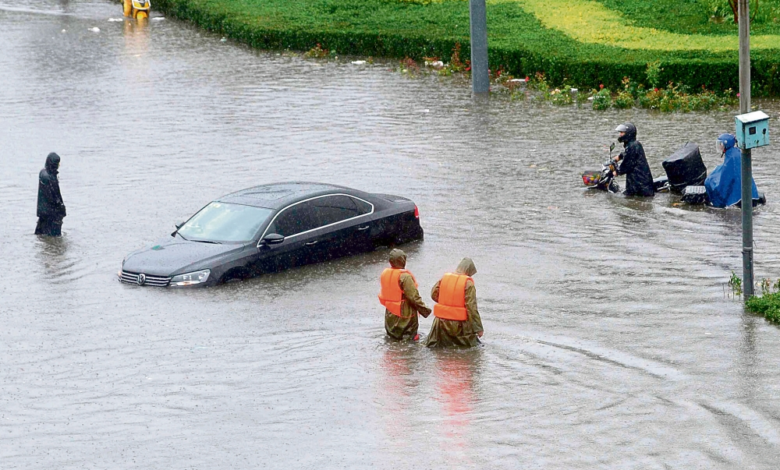
شهدت مناطق وسط وجنوب البلاد كارثة طبيعية جديدة، حيث ارتفع عدد ضحايا فيضانات الصين والأمطار الغزيرة إلى 22 قتيلاً، بينما لا يزال 20 شخصاً في عداد المفقودين. وتأتي هذه الكارثة نتيجة موجة من الطقس السيئ والأمطار القياسية التي ضربت عدة مقاطعات صينية، مما استدعى استنفاراً حكومياً واسع النطاق، وفقاً لما أفادت به وسائل الإعلام الرسمية اليوم الأربعاء.
تضرر عشرات الآلاف وشلل في الحياة العامة
أسفرت الأمطار القياسية عن حدوث فيضانات واسعة النطاق أدت إلى تضرر عشرات الآلاف من السكان في المقاطعات المنكوبة. وقد تسببت الكارثة في إغلاق المدارس، وتعطل الأعمال التجارية، وتدمير أجزاء واسعة من البنية التحتية المحلية. وفي استجابة سريعة للأزمة، أعلنت الحكومة الصينية عن تخصيص 120 مليون يوان صيني لدعم جهود الإغاثة العاجلة، وتوفير المأوى الآمن للمتضررين، ومواجهة الآثار المدمرة للكارثة وتوفير الاحتياجات الأساسية للنازحين.
السياق التاريخي والمناخي لفيضانات الصين
تاريخياً، ليست هذه المرة الأولى التي تواجه فيها الصين كوارث طبيعية من هذا النوع. ففي كل عام، وتحديداً خلال فصل الصيف وموسم الرياح الموسمية، تتعرض مناطق شاسعة في حوض نهر يانغتسي وجنوب الصين لأمطار غزيرة تؤدي إلى فيضانات عارمة. ومع ذلك، يحذر خبراء الأرصاد الجوية والبيئة من أن التغير المناخي والاحتباس الحراري قد ساهما بشكل كبير في زيادة وتيرة وشدة هذه الظواهر الجوية المتطرفة في السنوات الأخيرة. وتذكر هذه الأحداث بالفيضانات التاريخية الكبرى التي ضربت البلاد في عام 1998، والتي تعد من بين الأسوأ في تاريخ الصين الحديث، مما دفع السلطات منذ ذلك الحين إلى الاستثمار بكثافة في بناء السدود العملاقة وأنظمة الإنذار المبكر للحد من الخسائر البشرية والمادية.
التأثير المتوقع محلياً وإقليمياً ودولياً
على الصعيد المحلي، تترك هذه الفيضانات تأثيراً اقتصادياً واجتماعياً بالغاً، حيث تؤدي إلى إتلاف المحاصيل الزراعية الحيوية، مما يهدد الأمن الغذائي المحلي ويرفع أسعار السلع الأساسية. كما تتطلب عمليات إعادة إعمار البنية التحتية المدمرة، مثل الطرق والجسور وشبكات الكهرباء، ميزانيات ضخمة ووقتاً طويلاً للتعافي.
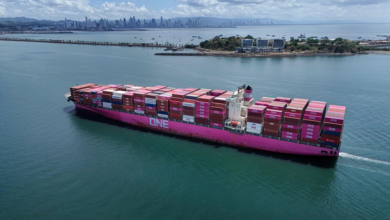
أما على الصعيدين الإقليمي والدولي، فإن فيضانات الصين تحمل تداعيات تتجاوز الحدود الجغرافية للبلاد. وباعتبار الصين مصنع العالم وثاني أكبر اقتصاد عالمي، فإن تعطل المصانع وشبكات النقل والموانئ في المقاطعات المتضررة يمكن أن يؤدي إلى اضطرابات ملحوظة في سلاسل التوريد العالمية. هذا التأخير في تصدير السلع والمواد الخام قد يؤثر على الأسواق الدولية، مما يبرز مدى ترابط الاقتصاد العالمي وحساسيته تجاه الكوارث الطبيعية التي تضرب المراكز الصناعية الكبرى.
في الختام، تسابق فرق الإنقاذ الصينية الزمن للبحث عن المفقودين تحت الأنقاض وفي المناطق المغمورة بالمياه، وسط تحذيرات مستمرة من الأرصاد الجوية باحتمالية هطول مزيد من الأمطار، مما يضع السلطات والمواطنين في حالة تأهب قصوى لمواجهة التحديات القادمة وتقليل حجم الخسائر قدر الإمكان.