
استجابة سريعة لحماية الأمن الغذائي
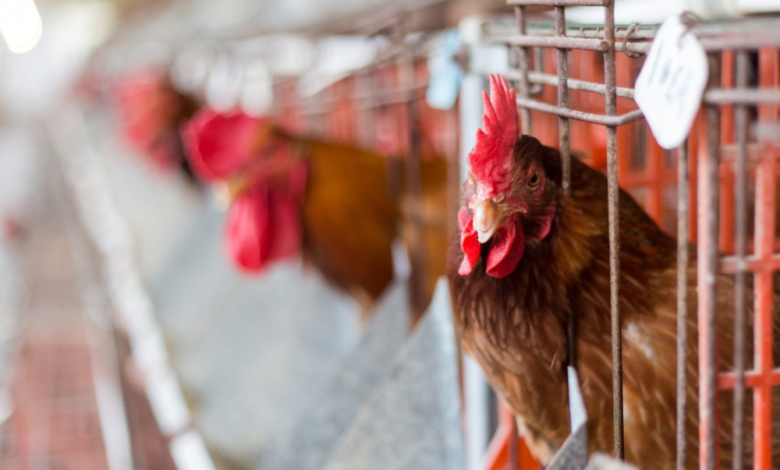
في خطوة استباقية تهدف إلى حماية الأمن الغذائي والصحة العامة، أعلنت الجهات المختصة عن فرض حظر مؤقت على استيراد الدواجن الفرنسية. يأتي هذا القرار الحاسم على خلفية تفشي موجات جديدة من فيروس “إنفلونزا الطيور” في عدة مزارع بفرنسا، مما استدعى تحركاً سريعاً لوقف الاستيراد وتجنب انتقال العدوى. وفي الوقت ذاته، ولضمان استقرار الأسواق المحلية وتلبية احتياجات المستهلكين، تم فتح مسارات استيراد بديلة وآمنة من دول أخرى مثل الأرجنتين وبلجيكا، مما يعكس مرونة عالية في إدارة سلاسل الإمداد.
السياق العام والخلفية التاريخية لتفشي الفيروس
تُعد فرنسا واحدة من أكبر منتجي ومصدري الدواجن في الاتحاد الأوروبي، إلا أنها عانت خلال السنوات القليلة الماضية من أزمات متكررة بسبب سلالات شديدة العدوى من فيروس إنفلونزا الطيور. هذه الأزمات أجبرت السلطات الفرنسية والأوروبية في كثير من الأحيان على إعدام ملايين الطيور للسيطرة على بؤر التفشي. تاريخياً، يشهد فصل الشتاء ومواسم هجرة الطيور البرية ارتفاعاً ملحوظاً في معدلات الإصابة، مما يدفع الدول المستوردة إلى تفعيل بروتوكولات الطوارئ وفرض قيود تجارية مؤقتة حماية لثرواتها الحيوانية والداجنة. ويعتبر فيروس إنفلونزا الطيور من الفيروسات التي تتطور بسرعة، مما يجعل السيطرة عليه تحدياً مستمراً لقطاع الزراعة العالمي، ويفرض على الحكومات تحديث خطط الاستجابة الوبائية بصفة دورية.
أهمية القرار والتأثير الاقتصادي المتوقع
يحمل قرار حظر الدواجن الفرنسية والتوجه نحو أسواق بديلة أهمية بالغة على عدة أصعدة:
- التأثير المحلي: يضمن فتح مسارات استيراد جديدة من الأرجنتين وبلجيكا استمرار تدفق الإمدادات الغذائية دون انقطاع، مما يساهم في استقرار أسعار اللحوم البيضاء في الأسواق ويمنع أي احتكار أو نقص في المعروض قد يضر بالمستهلك.
- التأثير الإقليمي والدولي: يعكس هذا التحول مرونة سلاسل الإمداد وقدرة الدول على تنويع مصادر وارداتها بسرعة. الأرجنتين، بصفتها واحدة من الدول الرائدة في تصدير اللحوم والدواجن في أمريكا الجنوبية، تستفيد من هذه الفرصة لتعزيز حصتها في الأسواق العالمية، بينما تقدم بلجيكا خياراً أوروبياً آمناً يخضع لمعايير صحية صارمة.
إجراءات الأمن الغذائي والسلامة الصحية
تتبع السلطات الرقابية والبيطرية حول العالم معايير صارمة تعتمد على توجيهات المنظمة العالمية للصحة الحيوانية (WOAH). يتضمن ذلك مراقبة الوضع الوبائي في الدول المصدرة بشكل يومي. إن قرار الحظر المؤقت ليس إجراءً عقابياً، بل هو تدبير وقائي قياسي يُرفع بمجرد إعلان الدولة الموبوءة خلوها من الفيروس واستعادتها للحالة الصحية الطبيعية. في غضون ذلك، تخضع جميع الشحنات الواردة من الأسواق البديلة لفحوصات مخبرية دقيقة في المنافذ الحدودية للتأكد من سلامتها ومطابقتها للمواصفات القياسية. وتعمل اللجان الجمركية والبيطرية جنباً إلى جنب لضمان عدم تسرب أي شحنات غير مطابقة، مما يعزز من ثقة المستهلك في جودة المنتجات المتوفرة في الأسواق المحلية.
خلاصة
تبرز أزمة إنفلونزا الطيور المتجددة أهمية الاستراتيجيات المرنة في إدارة الأزمات الغذائية. من خلال الاستجابة السريعة وتنويع الشركاء التجاريين، تنجح الدول في حماية اقتصادها وصحة مواطنيها، مؤكدة على أن الأمن الغذائي يظل أولوية قصوى تتجاوز التحديات البيئية والصحية العالمية.