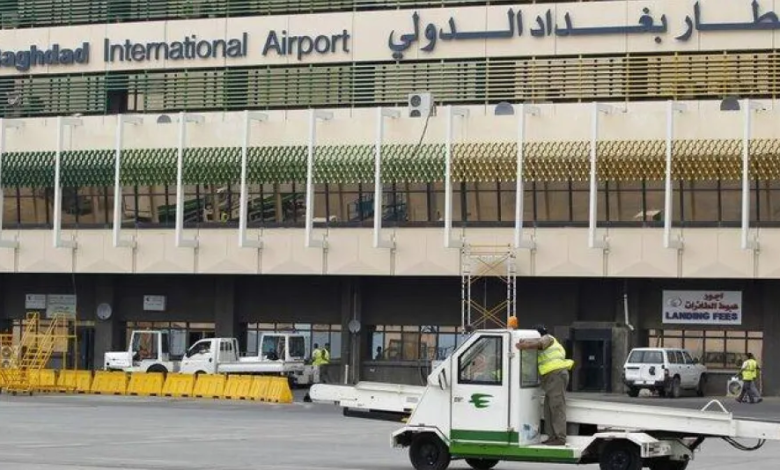

Details of the night attacks on Baghdad International Airport
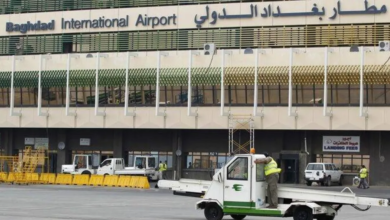
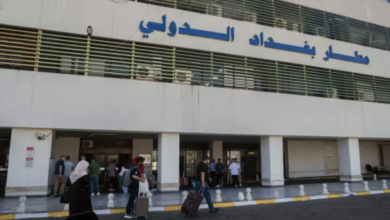
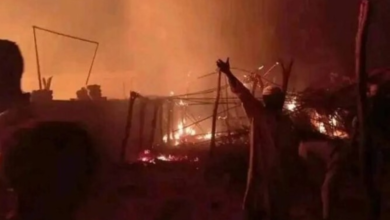
Baghdad International Airport witnessed a serious escalation in security following a series of intense nighttime attacks. According to security reports, eight consecutive attacks were recorded, using a combination of rockets and explosive-laden drones, targeting the perimeter of the complex, which houses sensitive civilian and military facilities. This development raises serious concerns about security stability in the Iraqi capital and underscores the challenges faced by security forces in protecting vital installations from repeated attacks.
General context and historical background of the targeting
Targeting Baghdad International Airport is not a new phenomenon in Iraq. Over the past few years, the complex and its surrounding area, which includes a military base hosting advisors from the international coalition, have been subjected to numerous attacks using Katyusha rockets and drones. These attacks often occur within the context of regional and political tensions, with armed factions claiming responsibility as messages of political and security pressure. As military tactics have evolved, the use of suicide drones alongside conventional missiles has become a prominent feature of these attacks, complicating the tasks of air defense systems designed to protect bases and facilities.
The strategic importance of the Baghdad Airport complex
Baghdad International Airport holds immense strategic importance as Iraq's primary air gateway, serving as a vital artery for civil, commercial, and diplomatic traffic. Furthermore, the complex houses Iraqi security forces and international advisors providing logistical and training support to Iraqi forces in counterterrorism efforts. Consequently, any security threat to this complex would not only have military repercussions but would also paralyze civilian air traffic and sow panic among travelers and Iraqi citizens.
Expected impacts locally, regionally, and internationally
Domestically, these attacks disrupt civil aviation, inflicting heavy losses on the Iraqi economy due to flight delays and cancellations, and terrorizing civilians living in areas surrounding the airport. These events also present the Iraqi government with a significant challenge in enforcing the rule of law, maintaining a state monopoly on the use of force, and protecting diplomatic missions and vital infrastructure.
Regionally and internationally, these attacks exacerbate tensions in the Middle East, particularly given the region's ongoing crises. These attacks highlight the fragility of the security situation, potentially prompting the international community to reassess its security plans and advisory presence in Iraq. Furthermore, the continuation of these attacks could negatively impact investor and foreign business confidence in Iraq's security environment, hindering economic development efforts.
The Iraqi government's position and security measures
These attacks are typically met with widespread condemnation from Iraqi political leaders, who view them as a direct assault on the country's sovereignty and prestige. Iraqi security forces launch immediate investigations to determine the launch sites of the missiles and drones, which are often fired from remote areas or the outskirts of the capital. These investigations are accompanied by extensive search operations and tightened security measures around the airport to prevent future breaches of this nature.