
إجراءات حازمة لضمان سلامة ضيوف الرحمن
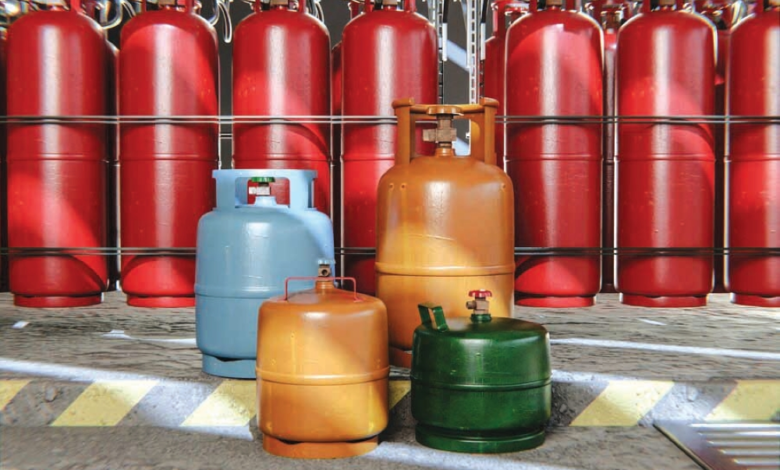
أعلنت المديرية العامة للدفاع المدني في المملكة العربية السعودية عن بدء تطبيق قرار حظر أسطوانات الغاز بالمشاعر المقدسة، والذي يشمل منع دخول واستخدام الغاز المسال بمختلف أنواعه وأحجامه في مراكز ضيافة الحجاج ومقار الجهات الحكومية. ويدخل هذا القرار حيز التنفيذ الفعلي ابتداءً من صباح اليوم الأول من شهر ذي الحجة لعام 1447هـ، وذلك ضمن منظومة الإجراءات الوقائية الصارمة التي تفرضها السلطات للحد من مخاطر الحرائق وتأمين بيئة آمنة للحجاج.
السياق التاريخي والتحول نحو الخيام المقاومة للحريق
تستند هذه الإجراءات الوقائية إلى خلفية تاريخية هامة تعكس حرص القيادة السعودية على سلامة الحجاج. ففي عام 1417هـ (1997م)، وقع حادث حريق في مشعر منى بسبب استخدام مواقد الغاز، مما شكل نقطة تحول تاريخية في إدارة المشاعر المقدسة. إثر ذلك، أطلقت المملكة مشروعاً ضخماً لإنشاء خيام مطورة مقاومة للحريق من الألياف الزجاجية (التيفلون)، وترافق هذا الإنجاز الهندسي مع قرار سيادي بمنع استخدام الغاز المسال نهائياً داخل المخيمات، وهو ما أسهم في القضاء على حوادث حرائق المخيمات بشكل شبه كامل خلال العقود الماضية.
التأثير المحلي والدولي لقرار المنع
يحمل قرار حظر أسطوانات الغاز بالمشاعر المقدسة أهمية بالغة وتأثيراً إيجابياً واسع النطاق. على الصعيد المحلي، يضمن القرار حماية البنية التحتية المتطورة في المشاعر، ويقلل من الضغط على خدمات الطوارئ والإسعاف، مما يتيح للجهات الأمنية والصحية التفرغ لمهامها الأساسية. أما على الصعيدين الإقليمي والدولي، فإن هذه الإجراءات تبعث برسالة طمأنينة قوية للدول الإسلامية وعائلات الحجاج حول العالم، مؤكدةً على كفاءة المملكة العربية السعودية في إدارة الحشود المليونية وتطبيق أعلى المعايير العالمية في إدارة الكوارث والأزمات.
آليات التنفيذ والرقابة الميدانية
وأشارت قوات الدفاع المدني إلى أنه سيتم التعامل بحزم مع أي تجاوزات، حيث ستتم مصادرة كل ما يُضبط من مواقد تعمل باستخدام الغاز أو أسطوانات تُستخدم في أغراض الطهي. كما سيتم تطبيق الإجراءات النظامية المقررة بحق المخالفين بالتنسيق المباشر مع الجهات الأمنية. وفي هذا السياق، أوضحت القوات أن فرق الإشراف الوقائي ستكثف جولاتها الرقابية والتفتيشية على مدار الساعة للتأكد من خلو مشاعر منى ومزدلفة وعرفات من أي استخدام للغاز، حفاظاً على أمن وسلامة ضيوف الرحمن.
البدائل الآمنة لإعاشة الحجاج
ومع تطبيق هذا الحظر، لم تغفل الجهات المعنية توفير البدائل؛ حيث تم إلزام مؤسسات الطوافة وشركات الإعاشة بالاعتماد على المطابخ المركزية الحديثة التي تستخدم الطاقة الكهربائية والتقنيات الآمنة في تحضير الوجبات، مما يضمن تقديم خدمات إعاشة عالية الجودة للحجاج دون المساس بمتطلبات السلامة العامة.