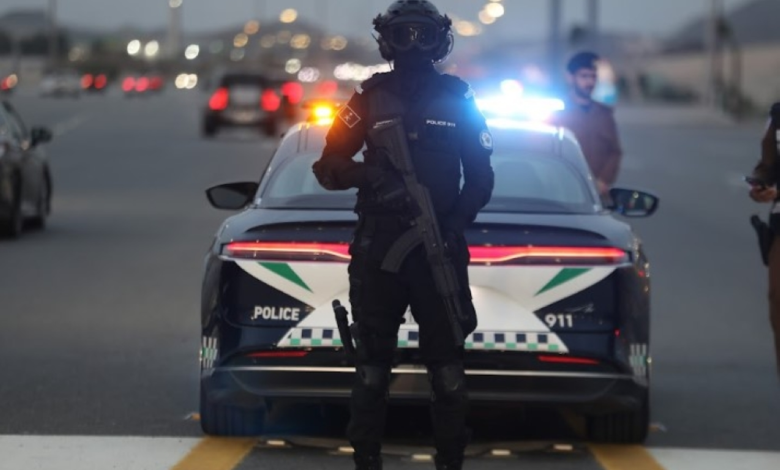

جهود المملكة التاريخية في خدمة ضيوف الرحمن
تحظى رعاية ضيوف الرحمن باهتمام بالغ وعناية خاصة من قبل حكومة المملكة العربية السعودية منذ عقود طويلة. وتاريخياً، أخذت المملكة على عاتقها مسؤولية تطوير البنية التحتية للمشاعر المقدسة وتوسعة الحرمين الشريفين لضمان استيعاب الأعداد المتزايدة من الحجاج المسلمين القادمين من شتى بقاع الأرض. وفي إطار هذا الالتزام التاريخي والديني، تسعى الجهات الحكومية والخدمية دائماً إلى توفير كل ما من شأنه تعزيز سلامة الحجاج وأمنهم، والارتقاء بجودة الخدمات المقدمة لهم منذ لحظة وصولهم إلى المنافذ البرية والبحرية والجوية، وحتى مغادرتهم بسلام وطمأنينة بعد أداء مناسكهم، تاركين خلفهم عبارات الشكر والامتنان.
حملة «لا حج بلا تصريح».. أبعاد أمنية وإنسانية
لضمان تحقيق أعلى معايير الأمن والسلامة، برزت الجهود الجبارة لوزارة الداخلية السعودية من خلال إطلاق وقيادة حملة (لا حج بلا تصريح). تهدف هذه الحملة بشكل رئيسي إلى تمكين الحجاج النظاميين الذين يحملون تصاريح رسمية من أداء شعائرهم بكل يسر وسهولة، مع تسخير كافة الإمكانيات الأمنية والإنسانية لخدمتهم. وتكتسب هذه الحملة أهمية بالغة على المستويات المحلية والإقليمية والدولية؛ فمحلياً، تساهم في إدارة الحشود بكفاءة عالية ومنع التكدس الذي قد يؤدي إلى مخاطر صحية أو أمنية. أما إقليمياً ودولياً، فهي تبعث برسالة طمأنينة للدول الإسلامية بأن حجاجهم في أيدٍ أمينة، وأن المملكة تطبق الأنظمة لضمان العدالة واحترام الحصص المخصصة لكل دولة.
عقوبات صارمة للمخالفين والناقلين
لضمان نجاح الحملة، فرضت الجهات المعنية إجراءات حازمة لضبط كل ما يعكر صفو الحج. وتشمل هذه الإجراءات ضبط مخالفي أنظمة وتعليمات الحج ممن لا يحملون تصاريح رسمية، أو أولئك الحاصلين على تأشيرات زيارة بكافة أنواعها، وذلك اعتباراً من اليوم الأول من شهر ذي القعدة وحتى نهاية اليوم الرابع عشر من شهر ذي الحجة. وقد أقرت السلطات عقوبات رادعة تصل إلى غرامة مالية قدرها (20,000) ريال بحق المخالفين، بالإضافة إلى ترحيل الوافدين منهم ومنعهم من دخول المملكة لمدة تصل إلى (10) سنوات.
ولم تقتصر الإجراءات على الأفراد المخالفين، بل امتدت يد الأمن بوزارة الداخلية لضبط كل من تسول له نفسه نقل حاملي تأشيرات الزيارة أو محاولة إيصالهم إلى مكة المكرمة والمشاعر المقدسة خلال الفترة المذكورة. وتصل العقوبات بحق الناقلين إلى السجن، وغرامة مالية ضخمة تبلغ (100,000) ريال عن كل حاج مخالف يتم نقله، فضلاً عن التشهير بالناقل، وترحيل الوافدين منهم ومنعهم من دخول المملكة لمدة (10) سنوات. كما يحق للمحكمة المختصة المطالبة بمصادرة وسيلة النقل البري المستخدمة في الجريمة إذا كانت مملوكة للناقل أو المساهم أو المتواطئ معه.
حملات توعوية واسعة النطاق
إلى جانب الإجراءات الأمنية، واصلت وزارة الداخلية جهودها الإعلامية والتوعوية للتعريف بأنظمة وتعليمات الحج وحملة (لا حج بلا تصريح). وبالتعاون مع الشركاء في الجهات الحكومية، تم نشر الرسائل التوعوية عبر جميع المنصات والمواقع والقنوات الرسمية وغير الرسمية، وبعدد من اللغات يصل إلى (14) لغة مختلفة لضمان وصول الرسالة لكافة الجنسيات. وشملت الحملة استخدام الرسائل النصية للهواتف المتنقلة، ولوحات الطرق، والشاشات الداخلية والخارجية. وقد أثمرت هذه الجهود عن تعزيز رسالة الحج والأمن عبر الحسابات الرسمية وإمارات المناطق والقطاعات الأمنية في مواقع التواصل الاجتماعي، والتي يتابعها أكثر من (30) مليون شخص.
التأثير المجتمعي وطرق الإبلاغ
أكدت حملة (لا حج بلا تصريح)، التي لا تزال مستمرة، فاعليتها وتأثيرها العميق في الوعي والعقل المجتمعي المحلي والعربي والإسلامي، حيث وجدت صدى إيجابياً وتفهماً واسعاً لأهمية الالتزام بالأنظمة. وتعد هذه الحملة من أبرز الممكنات للمحافظة على أمن وسلامة الحجاج. ولتعزيز المشاركة المجتمعية في إنجاح هذا المسعى، دعت السلطات إلى الإبلاغ عن المخالفين من خلال الاتصال بالرقم (911) في مناطق مكة المكرمة، والمدينة المنورة، والرياض، والمنطقة الشرقية، وبالرقم (999) في بقية مناطق المملكة.