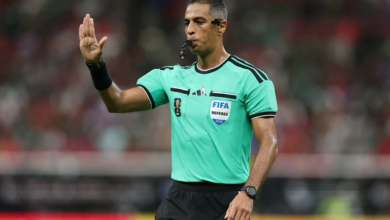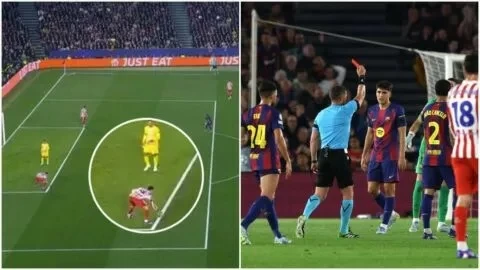

في خطوة تصعيدية تعكس حجم الإحباط داخل أروقة النادي الكتالوني، أعلن نادي برشلونة الإسباني رسمياً تقدمه بشكوى عاجلة وشديدة اللهجة إلى الاتحاد الأوروبي لكرة القدم (يويفا). وتأتي هذه الشكوى ضد طاقم تحكيم المباراة التي جمعت الفريق بنظيره أتلتيكو مدريد، والتي أقيمت مساء الأربعاء ضمن منافسات ذهاب الدور ربع النهائي من بطولة دوري أبطال أوروبا، وانتهت بتعثر البلوجرانا وخسارته بهدفين دون رد.
تفاصيل الشكوى الكتالونية ومخالفة اللوائح
أصدرت الإدارة القانونية لنادي برشلونة بياناً رسمياً أكدت فيه أن الأداء التحكيمي خلال المواجهة الإسبانية الخالصة على الساحة الأوروبية كان بعيداً كل البعد عن المعايير المهنية، وشهد مخالفات صريحة للوائح المعمول بها في عالم كرة القدم. وأشار النادي إلى أن هذه الأخطاء لم تكن عابرة، بل كان لها تأثير مباشر وجوهري على مجريات اللعب والنتيجة النهائية للمباراة، مما أضر بفرص الفريق في الخروج بنتيجة إيجابية قبل موقعة الإياب الحاسمة.
أزمة الدقيقة 54 وتجاهل تقنية الفيديو (VAR)
تركزت الشكوى بشكل أساسي على لقطة مثيرة للجدل حدثت في الدقيقة 54 من عمر اللقاء. فبحسب بيان النادي، وبعد استئناف اللعب بطريقة صحيحة، قام أحد لاعبي فريق أتلتيكو مدريد بلمس الكرة بيده بشكل واضح داخل منطقة الجزاء. ورغم وضوح الرؤية، امتنع حكم الساحة عن احتساب ركلة جزاء مستحقة لبرشلونة. وما زاد من غضب الإدارة واللاعبين والجماهير هو عدم تدخل تقنية الفيديو المساعد (VAR) لتصحيح هذا الخطأ الجسيم، وهو ما يعتبر إغفالاً غير مبرر للبروتوكول المعتمد من قبل لجنة الحكام في اليويفا.
مطالب برشلونة: الشفافية وكشف التسجيلات الصوتية
لم يكتفِ برشلونة بالاعتراض الشفهي أو المكتوب، بل صعد الموقف بمطالبة الاتحاد الأوروبي بفتح تحقيق رسمي وعاجل في الواقعة. وطالب النادي الكتالوني بضرورة الاطلاع على كافة التسجيلات الصوتية والمحادثات التي دارت بين حكم الساحة وحكام غرفة تقنية الفيديو خلال تلك اللقطة. وشدد النادي على أنه في حال ثبوت الخطأ، يجب على اليويفا الاعتراف رسمياً بالقصور واتخاذ الإجراءات التأديبية والتنظيمية اللازمة لضمان عدم تكرار مثل هذه الهفوات التي تضرب مصداقية البطولة الأهم على مستوى الأندية في العالم.
السياق التاريخي وتأثير الأخطاء المتكررة
تأتي هذه الأزمة في سياق تاريخي مشحون، حيث يرى نادي برشلونة أن هذه الحادثة ليست معزولة، بل هي استمرار لسلسلة من القرارات التحكيمية غير المفهومة التي تضرر منها الفريق بشكل كبير خلال النسخ الأخيرة من دوري أبطال أوروبا. هذا الشعور بالظلم المتكرر خلق حالة من الإجحاف الواضح، مما يمنع الفريق من المنافسة على قدم المساواة مع باقي الأندية الكبرى.
على الصعيد الإقليمي والدولي، تفتح هذه الشكوى باباً واسعاً للنقاش حول مدى فعالية تقنية الفيديو في البطولات القارية الكبرى، وتزيد من الضغوط الملقاة على عاتق لجنة الحكام في الاتحاد الأوروبي لتبني نهج أكثر شفافية، على غرار ما تفعل بعض الدوريات المحلية الكبرى التي بدأت في نشر تسجيلات الحكام. إن تداعيات هذا الحدث لن تقتصر على نتيجة مباراة الذهاب فحسب، بل قد تؤسس لمرحلة جديدة من المطالبات بتعديل بروتوكولات التحكيم لضمان نزاهة وعدالة المنافسة في كرة القدم الأوروبية.