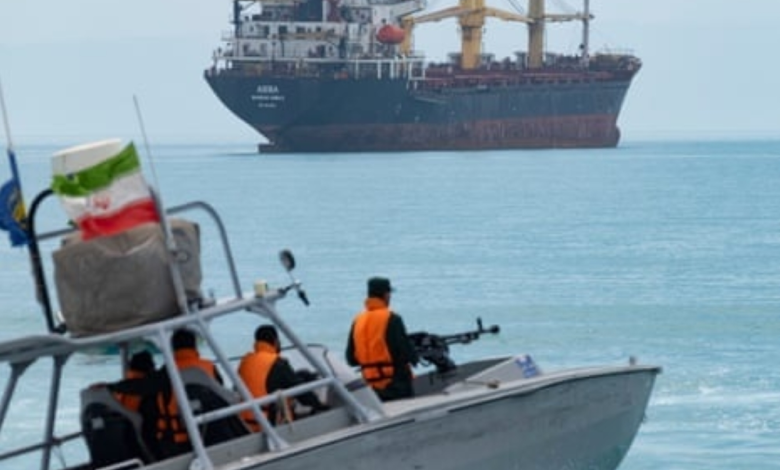

في خطوة استراتيجية تهدف إلى حماية الاقتصاد العالمي وضمان استقرار إمدادات الطاقة، أعلنت الحكومة البريطانية عن قيادة مبادرة دولية واسعة لضمان أمن مضيق هرمز. وأكدت لندن أن ممثلين عسكريين من أكثر من 30 دولة قد عقدوا مباحثات مكثفة لمناقشة الإجراءات العملية والمناسبة لجعل المضيق متاحاً وآمناً للملاحة الدولية، خاصة في حال التوصل إلى اتفاق لوقف إطلاق النار في الصراع الدائر في الشرق الأوسط.
الأهمية الاستراتيجية والاقتصادية لمضيق هرمز
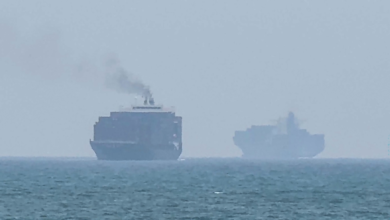
يُعد مضيق هرمز أحد أهم الممرات المائية الاستراتيجية في العالم، حيث يربط بين الخليج العربي وخليج عُمان وبحر العرب. وتكمن أهميته البالغة في كونه الشريان الرئيسي لتدفق النفط العالمي، حيث يمر عبره نحو خُمس استهلاك العالم من النفط الخام يومياً، بالإضافة إلى كميات ضخمة من الغاز الطبيعي المسال. إن أي تعطيل لحركة الملاحة في هذا المضيق الحيوي ينعكس فوراً على أسعار الطاقة العالمية، مما يهدد بارتفاع معدلات التضخم وتضرر سلاسل الإمداد الدولية. وقد برزت هذه المخاوف بشدة بعد أن تعرض المضيق لإغلاق عملي من قبل إيران منذ شهر مارس الماضي، مما استدعى تحركاً دولياً عاجلاً.
تخطيط عسكري عملي بقيادة بريطانية
أوضحت وزارة الدفاع البريطانية في بيان رسمي أن المشاركين في المؤتمر العسكري درسوا بعناية الإجراءات المناسبة التي يمكن أن يتخذها تحالف دولي لضمان بقاء مضيق هرمز مفتوحاً وآمناً، بمجرد توقف الأعمال العدائية في المنطقة. وأشار البيان إلى أن هذا التحرك يأتي في إطار الجهود الرامية إلى تحويل التوافق الدبلوماسي الدولي إلى تخطيط عسكري عملي وملموس على الأرض. ولتأكيد جدية هذه التحركات، نشرت الوزارة مقطع فيديو يظهر مسؤولين بريطانيين يشاركون في الاتصال من المقر الدائم للقيادة المشتركة الواقع في شمال غرب لندن، والذي يُعد العصب الرئيسي في المملكة المتحدة للإشراف على العمليات العسكرية المشتركة وإدارتها حول العالم. كما تم الإعلان عن الترتيب لعقد مؤتمر تخطيطي آخر في الوقت المناسب.
تحركات دبلوماسية والتلويح بعقوبات صارمة
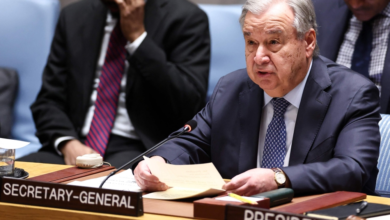
على الصعيد الدبلوماسي، استضافت بريطانيا الأسبوع الماضي اجتماعاً موسعاً برئاسة وزيرة الخارجية البريطانية، إيفيت كوبر، وبمشاركة ممثلين عن نحو 40 دولة. وخلال الاجتماع، وجهت كوبر دعوة حازمة لإعادة فتح مضيق هرمز بشكل فوري وغير مشروط. وصرحت في بيانها قائلة: “إن إيران تحاول أخذ الاقتصاد العالمي رهينة في مضيق هرمز، ويجب ألا تنجح في ذلك”. وشددت على ضرورة احترام المبادئ الأساسية لحرية الملاحة وقانون البحار الدولي. وفي تصعيد واضح للضغط، كشفت كوبر أن الدول المشاركة اتفقت على دراسة اتخاذ تدابير اقتصادية وسياسية منسقة، بما في ذلك فرض عقوبات قاسية، للضغط على طهران في حال استمرارها في إعاقة حركة الملاحة وإغلاق المضيق.
التداعيات الإقليمية والدولية المتوقعة
يعكس هذا التحالف الدولي المتنامي إدراكاً عالمياً بخطورة ترك الممرات المائية الدولية عُرضة للتجاذبات السياسية والعسكرية. ومن المتوقع أن تسهم هذه المبادرة في توجيه رسالة رادعة قوية، تسعى إلى فصل أمن الملاحة البحرية عن الصراعات الإقليمية، وضمان عدم استخدام الاقتصاد العالمي كورقة ضغط، مما يعزز من استقرار الأسواق العالمية ويحمي مصالح الدول المستهلكة والمنتجة للطاقة على حد سواء.