Trump and Messi: Behind the scenes of Baron's admiration and Inter Miami's title celebration

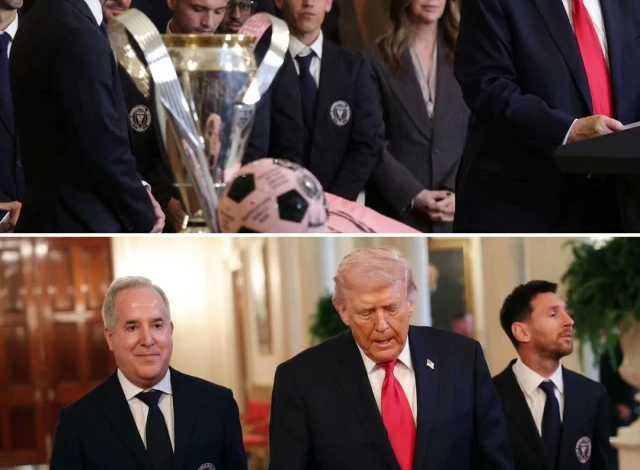
In a scene that blended politics and sports, US President Donald Trump revealed a personal connection to his family and their relationship with soccer during an official reception for Inter Miami and their legendary captain, Lionel Messi. The event celebrated the team's first-ever MLS Cup title in December 2015, an achievement that adds to the club's string of successes since the Argentine star joined their ranks.
The secret behind Barron Trump's admiration for the Argentinian legend
During his speech to the media and players on the stage, Trump addressed Lionel Messi directly, revealing his youngest son Barron's admiration for him. "My son Barron told me about you here today," Trump said. "He's a big fan of yours and thinks you're a great guy." The US president added, referring to a previous meeting between the two, "I think you two met a while ago." This statement reflects the growing interest in soccer among younger generations in the United States. Barron Trump is known for his passion for the sport, having previously been seen wearing European club jerseys and playing in local academies, making him a representative of a new generation of Americans for whom soccer is a top priority.
Messi... the most decorated player in history
The US president also praised Messi's historic record, highlighting his achievement of winning 47 titles in his professional career, describing it as a "golden career." Trump emphasized that this number represents the highest number of trophies ever won by a football player, an accomplishment that solidifies Messi's status not only as a phenomenal player but also as a global sporting icon who has transcended the boundaries of the pitch to become a cultural icon.
Messi's impact on American soccer and the sports economy
Speaking about the importance of Messi's presence in the United States, Trump expressed his gratitude for the Argentine star's decision to play for Inter Miami, despite receiving astronomical offers from other leagues around the world. Trump said, "You could have gone anywhere in the world, to any team in the world, but you chose Miami... Thank you for giving us all this opportunity.".
Messi's move to Major League Soccer (MLS) was a strategic turning point in the history of American sports, significantly boosting the league's market value and driving unprecedented ticket sales and television broadcasting deals. This achievement and the ensuing celebrations come at a time when the United States is preparing to host the 2026 FIFA World Cup, making Messi an unofficial ambassador for the highly anticipated global event and further solidifying America's position as a leading destination for world-class football.