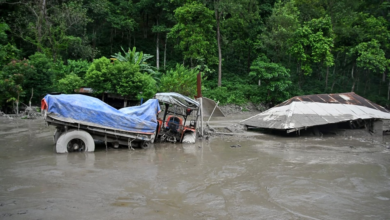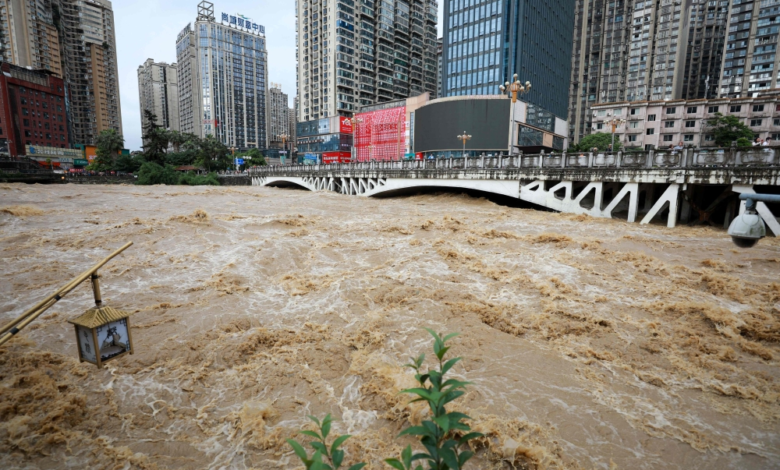

تصدرت أزمة الفيضانات في الصين المشهد الإخباري العالمي مجدداً، حيث اتخذت السلطات خطوات استباقية صارمة للحد من الخسائر البشرية والمادية المحتملة. وفي هذا السياق، أصدرت وزارة الموارد المائية والهيئة الوطنية للأرصاد الجوية بالصين إنذاراً باللون الأحمر، وهو أعلى مستوى من الإنذار في نظام التحذير الوطني، لمواجهة الفيضانات المفاجئة وسط هطول أمطار شديدة الغزارة على المناطق الوسطى والشرقية من البلاد.
وحذرت السلطات الصينية، وفقاً لما نقلته وكالة أنباء الصين الجديدة (شينخوا)، من أن أجزاء واسعة من غربي مقاطعة آنهوي وشرقي مقاطعة هوبي تواجه خطراً داهماً لحدوث فيضانات جبلية مفاجئة. ويسري هذا التحذير الأقصى من الساعة الثامنة مساء الأحد وحتى الساعة الثامنة مساء اليوم الإثنين. بالتوازي مع ذلك، تم إصدار إنذار باللون البرتقالي، وهو ثاني أعلى مستوى من الإنذار، لأجزاء من مقاطعات تشجيانغ وآنهوي وجيانغشي وهوبي، مما يعكس اتساع رقعة الخطر الجوي والمناخي.
عواصف مطرية متوقعة وتحذيرات جيولوجية
تشير التوقعات الجوية إلى هطول أمطار غزيرة إلى شديدة الغزارة على مناطق متفرقة تشمل جنوبي خنان، وغربي وجنوبي آنهوي، وشمال غربي هونان، وشمال شرقي جيانغشي، وشمال شرقي تشونغتشينغ. وتستعد بعض المناطق، وتحديداً في جنوب غربي آنهوي وشرقي هوبي، لعواصف مطرية شديدة قد تصل إلى مستويات قياسية غير مسبوقة.
ولم تقتصر التحذيرات على ارتفاع منسوب المياه فحسب، بل أصدرت وزارة الموارد الطبيعية والهيئة الوطنية للأرصاد الجوية بشكل مشترك إنذاراً باللون الأصفر لمواجهة الكوارث الجيولوجية في عشر مقاطعات، من بينها شانشي وآنهوي وهوبي. كما رُفع مستوى خطر الانهيارات الأرضية إلى إنذار باللون البرتقالي في جنوبي آنهوي وشرقي هوبي، مما يشير إلى احتمالية عالية جداً لحدوث انزلاقات طينية وانهيارات أرضية قد تدمر البنية التحتية وتقطع طرق المواصلات.
السياق التاريخي لأزمة الفيضانات في الصين
لا تعد الفيضانات في الصين ظاهرة جديدة، بل هي تحدٍ موسمي يواجه البلاد سنوياً خلال أشهر الصيف، وتحديداً في موسم أمطار “البرقوق” الذي يضرب حوض نهر يانغتسي. تاريخياً، عانت مقاطعات مثل آنهوي وهوبي من كوارث طبيعية مدمرة، لعل أبرزها فيضانات عام 1998 التي أودت بحياة الآلاف، وكذلك فيضانات عام 2020 التي أجبرت الملايين على إخلاء منازلهم وتسببت في خسائر اقتصادية فادحة. ورغم استثمار الحكومة الصينية مليارات الدولارات في بناء السدود الضخمة وشبكات تصريف المياه للسيطرة على هذه الكوارث، إلا أن التغير المناخي العالمي زاد بشكل ملحوظ من حدة وتواتر هذه الظواهر الجوية المتطرفة.
التأثيرات المتوقعة محلياً وعالمياً
على الصعيد المحلي، تفرض هذه الظروف الجوية القاسية تهديداً مباشراً على حياة السكان وممتلكاتهم، وتؤدي إلى إتلاف المحاصيل الزراعية في واحدة من أهم السلال الغذائية في الصين، مما يضع ضغوطاً على الأمن الغذائي المحلي. أما على الصعيدين الإقليمي والدولي، فإن تفاقم أزمة الفيضانات في مناطق صناعية وزراعية رئيسية مثل هوبي وآنهوي قد يؤدي إلى تعطيل سلاسل الإمداد العالمية. فالصين تعتبر مركزاً رئيسياً للتصنيع، وأي توقف في حركة النقل أو الإنتاج بسبب الكوارث الطبيعية ينعكس مباشرة على الأسواق العالمية، مما يبرز أهمية مراقبة هذه التطورات المناخية عن كثب وتأثيرها على الاقتصاد العالمي.