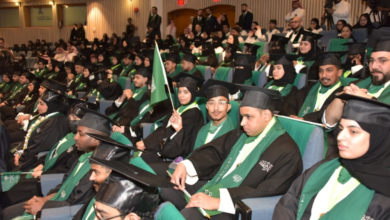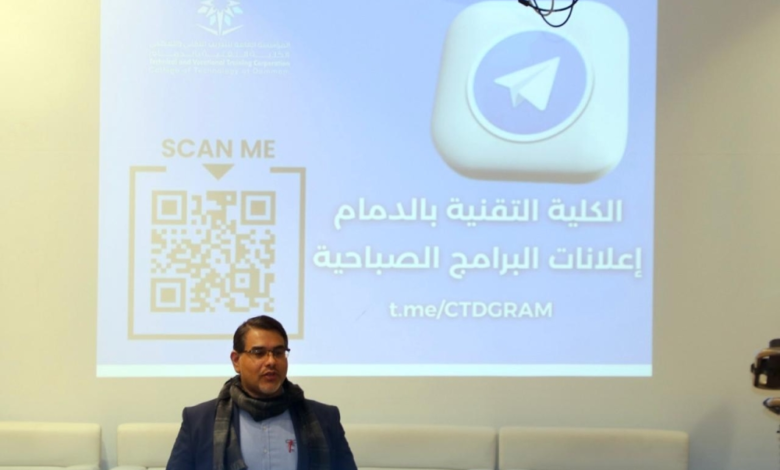

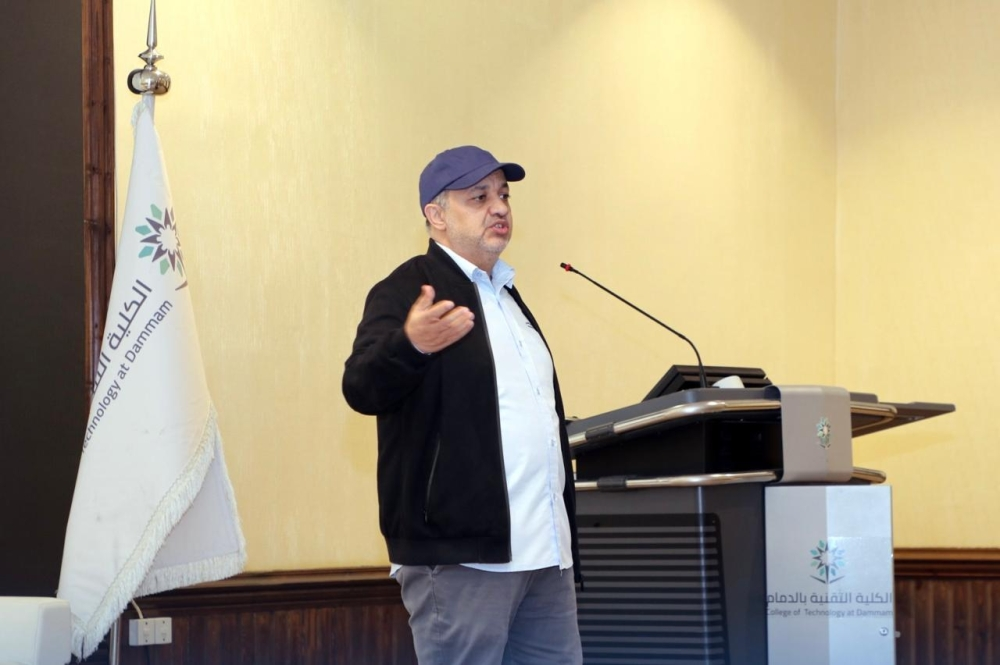
launched The Dammam Technical College program trainees for the second semester of the academic year 1447 AH, a strategic step aimed at integrating more than 1,300 newly admitted trainees across various technical, engineering, and administrative disciplines. This program is part of a comprehensive plan developed by the college administration to ensure a well-structured academic start and to familiarize young Saudi talent with the technical training environment, which differs significantly from general education.
National context and ambitious vision
This program is not merely a routine procedure; rather, it comes within the context of the significant transformation underway in the technical and vocational training sector in the Kingdom of Saudi Arabia, in line with the objectives of Vision 2030.The Technical and Vocational Training Corporation (TVTC) seeks to enhance the efficiency of the national workforce and bridge the gap between educational outcomes and the evolving needs of the labor market. The Dammam Technical College plays a pivotal role in this endeavor, given its geographical location in the Eastern Province, the Kingdom's industrial and energy hub, making its graduates a cornerstone for major companies and development projects.
Program objectives and integration mechanisms
The orientation program aims to seamlessly and effectively integrate new trainees into the training system . It includes a detailed explanation of the available specialization tracks, academic organization mechanisms, and assessment and testing systems. This explanation aims to give trainees a clear vision of their professional future from day one, helping them to chart a clear course for their training years.
Discipline and professionalism: the gateway to the job market
Throughout the program, the college administration focused extensively on clarifying rights and responsibilities, emphasizing the necessity of full adherence to behavioral and academic standards. In this context, the following points were stressed:
- Uniform: The college requires all trainees to adhere to the approved uniform as a basic condition for attendance, stressing that discipline in appearance reflects the seriousness and professionalism required in future work environments.
- Time commitment: The college stressed the importance of strictly adhering to the attendance times specified for each specialized department according to the announced schedules, considering that respecting time is the first pillar for the success of the trainee.
Expected impact and future of training
Through these rigorous regulatory procedures and comprehensive training programs, the college aims to enhance the readiness of young Saudi professionals, equipping them with the technical and soft skills necessary to meet the rapidly evolving demands of comprehensive development. This initiative complements the institution's efforts to improve the quality of technical and vocational training, preparing a generation capable of competing effectively and efficiently meeting the needs of the Kingdom's industrial and service sectors, thereby contributing to reduced unemployment and a stronger national economy.