A nationwide power outage in Cuba and a complete halt to essential services

A severe energy crisis is hitting Cuban cities
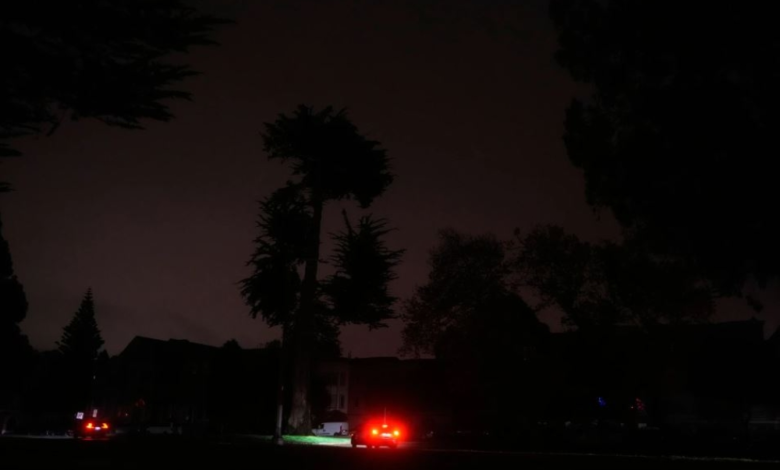
Cuba's Ministry of Energy and Mines announced a complete blackout of the national power grid, plunging much of the country into darkness and bringing daily life to a near standstill. This sudden and widespread failure of the power generation system was not an isolated incident, but rather a reflection of a deep energy crisis that has plagued Havana for years. Technical and engineering teams are working around the clock to gradually restore power, but the scale of the problem is making the recovery process slow and complex.
Complete paralysis of basic services and vital facilities
The power outage in Cuba has caused widespread disruption to essential services upon which citizens depend. Public transportation has virtually ground to a halt, and the drinking water supply has been disrupted because pumping stations rely on electricity. Hospitals and vital health facilities are facing immense challenges, forced to rely on backup generators that consume large quantities of the country's already scarce fuel. The impact extends to the telecommunications and internet sectors, isolating large parts of the country from the outside world.
Root causes: dilapidated infrastructure and severe fuel shortages
This nationwide blackout comes just a week after a similar incident, highlighting the extreme fragility of Cuba’s electricity sector. The crisis stems from aging infrastructure, as the country relies heavily on thermal power plants, most of which were built during the Soviet era and have long since exceeded their operational lifespan. Furthermore, Cuba suffers from a severe and chronic shortage of fuel needed to operate these plants. This shortage is partly due to declining oil supplies from allied countries like Venezuela, as well as decades of US economic sanctions that have hampered the government’s ability to import spare parts and fuel and modernize the electrical grid.
The economic and social repercussions of the electricity crisis
The impact of the energy crisis extends far beyond the service sector, striking at the very heart of the Cuban economy. The tourism sector, a major source of foreign currency for the country, is severely affected by these frequent outages, diminishing Cuba's appeal as a tourist destination. On a social level, these prolonged blackouts exacerbate the daily struggles of citizens, causing food to spoil in refrigerators and forcing small businesses to close. Historically, crippling electricity crises in Cuba, such as the one in the summer of 2021, have sparked rare public protests, reflecting the extent of social discontent generated by these recurring crises.
Recovery efforts and the search for sustainable solutions
Under these harsh conditions, the Cuban government is struggling to find stopgap solutions to weather the current crisis, such as leasing floating power plants and implementing strict rationing programs. However, experts believe that a fundamental solution requires massive investments in modernizing the national electricity grid and transitioning to renewable energy sources, such as solar and wind power, to reduce dependence on imported fossil fuels. Until this happens, Cuban citizens will continue to face daily challenges with an unreliable electricity grid and an uncertain energy future.