
مقدمة: تحول جذري في سياسات الهجرة الأوروبية
في خطوة تعكس تحولاً جذرياً في سياسات الاتحاد الأوروبي، وافق البرلمان الأوروبي مؤخراً على حزمة من الإجراءات الصارمة التي تهدف إلى تقييد الهجرة غير النظامية إلى القارة العجوز. ومن أبرز هذه الإجراءات تأييد إنشاء ما يُعرف بـ “مراكز العودة”، وهي منشآت تقع خارج حدود الاتحاد الأوروبي يُنقل إليها المهاجرون غير النظاميون تمهيداً لترحيلهم أو البت في طلبات لجوئهم. وجاءت هذه الخطوة استجابة لضغوط متزايدة من غالبية الدول الأعضاء، وبدعم قوي من نواب اليمين واليمين المتطرف الذين استقبلوا نتيجة التصويت بتصفيق حار داخل قاعة البرلمان، مما يعكس تغيراً واضحاً في المزاج السياسي الأوروبي تجاه قضايا اللجوء.
السياق التاريخي وتصاعد اليمين في أوروبا
تاريخياً، تعود جذور هذا التشدد إلى أزمة الهجرة الكبرى عام 2015، عندما استقبلت أوروبا مئات الآلاف من اللاجئين والمهاجرين. منذ ذلك الحين، تصاعدت شعبية الأحزاب اليمينية التي جعلت من أمن الحدود وتقليص أعداد المهاجرين أولوية قصوى في برامجها الانتخابية. وتعتبر فكرة “مراكز العودة” تطوراً لسياسات تصدير الحدود، والتي تجلت مؤخراً في مبادرات واتفاقيات ثنائية مثل الاتفاق بين إيطاليا وألبانيا، حيث تسعى الدول الأوروبية إلى تخفيف العبء الداخلي ونقل مسؤولية استضافة المهاجرين إلى دول ثالثة، رغم الانتقادات الواسعة من قبل منظمات حقوق الإنسان التي تحذر من انتهاكات محتملة للقانون الدولي وحقوق طالبي اللجوء.
طريق الموت الشرقي: أرقام مفزعة في البحر الأحمر
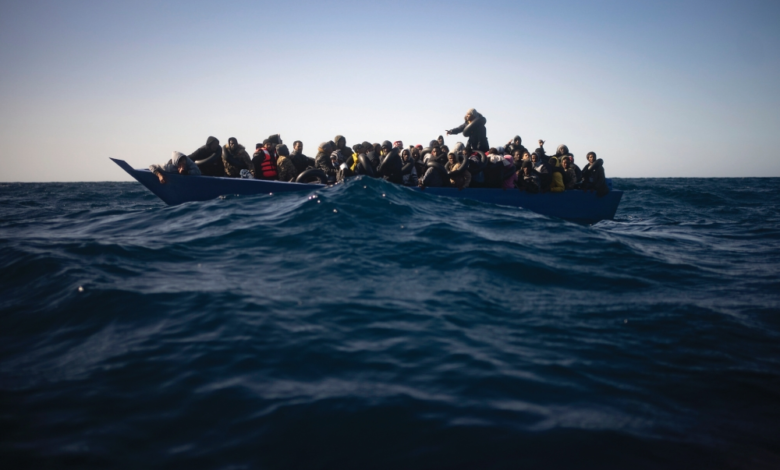
على الصعيد العالمي، لا تقتصر مأساة الهجرة على البحر المتوسط، بل تمتد لتشمل مسارات أخرى أشد خطورة. فقد أفادت المنظمة الدولية للهجرة التابعة للأمم المتحدة في تقرير حديث لها، بمقتل أو فقدان أكثر من 900 مهاجر في مياه البحر الأحمر خلال عام 2025. هذا الرقم المفزع يجعل من العام الحالي “العام الأكثر دموية على الإطلاق” بالنسبة لما يُعرف بـ “الطريق الشرقي”، مما يسلط الضوء على حجم الكارثة الإنسانية التي تحدث بعيداً عن أنظار العالم.
الدوافع والأسباب: لماذا يخاطر المهاجرون بحياتهم؟
ويُعد “الطريق الشرقي” أحد أخطر مسارات الهجرة في العالم، حيث يربط بين دول القرن الإفريقي وشبه الجزيرة العربية. ويسلك هذا الطريق سنوياً عشرات الآلاف من المهاجرين، متحدين ظروفاً قاسية ومخاطر استغلال عصابات الاتجار بالبشر. وتأتي هذه الموجات البشرية هرباً من النزاعات المسلحة المستعرة، والكوارث الطبيعية المرتبطة بالتغير المناخي مثل الجفاف، فضلاً عن التدهور الاقتصادي الحاد في بلدانهم الأصلية. ويهدف هؤلاء المهاجرون في الغالب إلى الوصول إلى دول الخليج الغنية بحثاً عن فرص عمل وحياة كريمة.
التداعيات المتوقعة للقرارات الجديدة
إن التأثير المتوقع لهذه التطورات يحمل أبعاداً متعددة. إقليمياً، ستؤدي القرارات الأوروبية الجديدة إلى زيادة الضغط على دول العبور في شمال إفريقيا والشرق الأوسط، مما يتطلب تعاوناً دولياً أكبر ودعماً مالياً للتعامل مع تدفقات المهاجرين. أما دولياً، فإن الفجوة التمويلية التي تعاني منها المنظمات الإنسانية تهدد بتفاقم الأزمات، خاصة مع وجود ملايين النازحين في مناطق النزاع. في النهاية، يبقى التحدي الأكبر أمام المجتمع الدولي هو معالجة الأسباب الجذرية للهجرة في دول المنشأ، بدلاً من الاكتفاء بالحلول الأمنية وإغلاق الحدود.