
تراجع أسعار الذهب وسط ضبابية المشهد الجيوسياسي
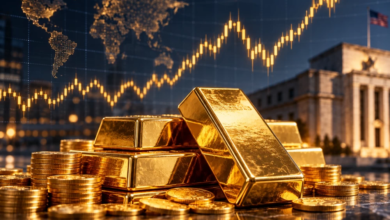
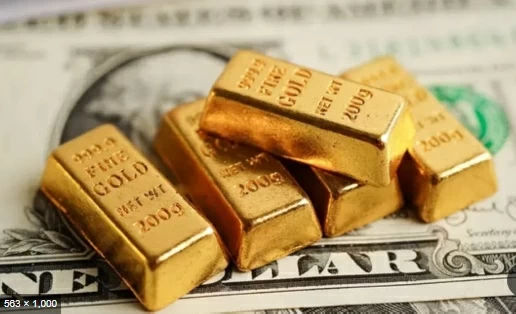
شهدت أسواق المعادن النفيسة تحولات جذرية خلال تعاملات اليوم، حيث سجلت أسعار الذهب هبوطاً ملحوظاً بعد سلسلة من المكاسب التي استمرت لجلستين متتاليتين. وفي ظل ضبابية المشهد الجيوسياسي وتأثيره المباشر على السياسات النقدية العالمية، قلصت أسعار الذهب خسائرها نسبياً لكنها ظلت متراجعة بقوة. فقد هبطت أسعار العقود الآجلة للمعدن الأصفر تسليم شهر أبريل القادم بنسبة 2.35%، أي ما يعادل 108 دولارات، لتستقر عند مستوى 4,444.30 دولار للأوقية، وذلك بعدما لامست خلال الجلسة مستوى 4,409.30 دولار. وفي السياق ذاته، انخفض سعر التسليم الفوري للذهب بنسبة 1.45% ليسجل 4,441.03 دولار للأوقية.
انخفاض جماعي للمعادن النفيسة وارتفاع الدولار
لم يقتصر التراجع على أسعار الذهب فحسب، بل امتد ليشمل المعادن النفيسة الأخرى. فقد خسر الفضة نحو 4.5% من قيمته في المعاملات الفورية ليتداول عند 68 دولاراً للأوقية. كما تراجعت العقود الآجلة للفضة تسليم مايو بنسبة 6% لتصل إلى 68.27 دولار للأوقية. وهبطت الأسعار الفورية للبلاتين بنحو 2.3% لتسجل 1,880.97 دولار، وانخفض البلاديوم بنسبة 2.15% ليستقر عند 1,385.79 دولار. وتزامن هذا التراجع الجماعي للمعادن مع ارتفاع مؤشر الدولار الأمريكي – الذي يقيس أداء العملة الأمريكية أمام سلة من ست عملات رئيسية – بنسبة 0.25% ليتداول عند 99.83 نقطة، مما جعل المعادن المسعرة بالدولار أكثر تكلفة للمستثمرين حائزي العملات الأخرى.
السياق التاريخي للعلاقة بين الذهب والأزمات
تاريخياً، يُعتبر الذهب الملاذ الآمن الأول للمستثمرين في أوقات الأزمات والحروب والتقلبات الاقتصادية. وعادة ما ترتفع أسعاره بشكل ملحوظ عند اندلاع النزاعات الجيوسياسية، حيث يهرع المستثمرون لحماية ثرواتهم من تقلبات العملات والأسهم. ومع ذلك، فإن العلاقة العكسية القوية بين الذهب والدولار الأمريكي تلعب دوراً حاسماً في تحديد مسار الأسعار. فعندما يرتفع الدولار مدعوماً بتوقعات تشديد السياسات النقدية، تتراجع جاذبية الذهب الذي لا يدر عائداً ثابتاً. وفي المشهد الحالي، يعكس التذبذب في أسعار الذهب حالة من عدم اليقين لدى المستثمرين تجاه مسار السياسات النقدية العالمية للبنوك المركزية الكبرى.
تضارب الأنباء الدبلوماسية وتأثيرها على الأسواق
ويأتي هذا التراجع الحاد وسط تضارب الأنباء الدبلوماسية والسياسية على الساحة الدولية. فقد صرح الرئيس الأمريكي دونالد ترمب بأن إيران تسعى جاهدة لإبرام اتفاق ينهي نحو أربعة أسابيع من القتال والتوترات المتصاعدة. هذا التصريح بث نوعاً من التفاؤل الحذر في الأسواق بإمكانية التوصل إلى حل سلمي، مما دفع المستثمرين للتخلي جزئياً عن الملاذات الآمنة. ولكن في المقابل، سارع وزير الخارجية الإيراني إلى نفي وجود أي نية لإجراء محادثات لإنهاء النزاع، مما أبقى على حالة من الضبابية والتوتر التي تمنع الذهب من الانهيار التام وتحافظ على حساسية الأسواق لأي تطورات جديدة.
التأثير المتوقع على المستويات المحلية والدولية
يحمل هذا الحدث أهمية كبرى وتأثيرات متوقعة على عدة أصعدة. على الصعيد الدولي، يؤثر تذبذب أسعار الذهب والمعادن الصناعية مثل البلاتين والبلاديوم على تكاليف الإنتاج في العديد من الصناعات الكبرى، بما في ذلك صناعة السيارات والإلكترونيات، كما يعكس توجهات المستثمرين العالميين نحو تقييم المخاطر. إقليمياً، تلعب التوترات في الشرق الأوسط دوراً محورياً في توجيه بوصلة الاستثمارات، حيث ترتبط أسعار الذهب ارتباطاً وثيقاً بمدى استقرار المنطقة. أما على الصعيد المحلي، فإن هبوط أسعار الذهب بمقدار 108 دولارات للأوقية قد يشكل فرصة مواتية للمستثمرين الأفراد والمستهلكين في أسواق التجزئة لشراء المعدن النفيس بأسعار أقل، في حين قد يدفع بعض المتداولين لإعادة تقييم محافظهم الاستثمارية تحسباً لمزيد من التقلبات في ظل استمرار التوترات الجيوسياسية.