
خطوة استراتيجية نحو ريادة القطاع اللوجستي
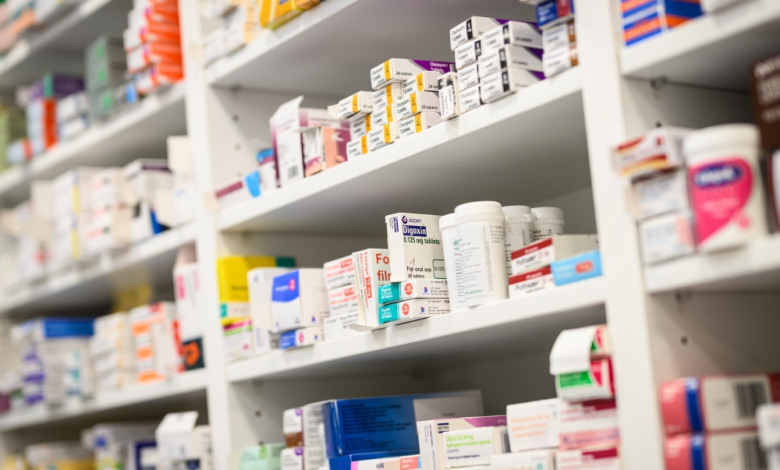
أطلقت وزارة النقل والخدمات اللوجستية في المملكة العربية السعودية، بالتعاون المثمر مع هيئة الزكاة والضريبة والجمارك، دليلاً تعريفياً شاملاً موجهاً للمستفيدين في القطاع اللوجستي. يهدف هذا الدليل إلى توضيح وتوحيد المسارات والإجراءات التشغيلية الخاصة بمسار فسح واردات الأدوية والأغذية في الموانئ السعودية، وذلك في ظل الظروف الراهنة التي تتطلب مرونة وسرعة في سلاسل الإمداد، مع تقديم أمثلة عملية لتسهيل تطبيق هذه الإجراءات على أرض الواقع.
السياق العام والتأثير المتوقع
يأتي هذا الإجراء الاستراتيجي متوافقاً مع مستهدفات رؤية السعودية 2030، التي تسعى بخطى حثيثة لتحويل المملكة إلى منصة لوجستية عالمية رائدة تربط بين قارات العالم الثلاث. تاريخياً، كانت عمليات الفسح الجمركي، خاصة للمواد الحساسة مثل الأدوية والأغذية، تواجه تحديات تتعلق بطول الإجراءات وتعدد الجهات الرقابية. ومع تزايد أهمية الأمن الغذائي والدوائي، خاصة بعد التحديات التي فرضتها الأزمات العالمية الأخيرة على سلاسل الإمداد، بات من الضروري إيجاد مسار موحد يضمن تدفق البضائع بسلاسة.
على الصعيد المحلي، يضمن هذا التوحيد توافر السلع الأساسية بجودة عالية للمستهلك وتقليل التكاليف على المستوردين. أما إقليمياً ودولياً، فإنه يعزز من ثقة المستثمرين العالميين في كفاءة الموانئ السعودية، ويرفع من تصنيف المملكة في مؤشر الأداء اللوجستي العالمي (LPI).
مرحلة ما قبل الوصول والاستيراد
يستعرض الدليل الإجرائي الخطوات بدقة، بدءاً من مرحلة ما قبل وصول الشحنة. في هذه المرحلة، يتعين على العميل التسجيل المسبق لدى الهيئة العامة للغذاء والدواء كمستورد معتمد وفق الشروط الصارمة المعتمدة. إلى جانب ذلك، يُشترط توفير مساحة تخزين مناسبة، خاصة للأدوية التي تتطلب ثلاجات مخصصة وسلاسل تبريد متكاملة. كما يجب رفع كافة المستندات اللازمة إلكترونياً، ومنها الشهادة الصحية وإثبات المصنع، قبل مرحلة الاستيراد.
وفي مرحلة الاستيراد، يشدد الدليل على أهمية إنشاء بوليصة شحن مصدقة من قبل الشاحن، مع ضرورة تركيب جهاز دقيق لتتبع درجة الحرارة داخل الحاوية قبل إتمام عملية شحن البضاعة. أما في مرحلة ما قبل الوصول إلى الميناء، فتتضمن الإجراءات مراجعة المستندات ورفعها، والحصول على الفسح المسبق من الجهات المختصة، وإجراء المسح المسبق للشحنة.
إجراءات الفسح عند الوصول للميناء
وعند وصول الشحنة إلى الميناء، تُناول الحاوية وتُمرر عبر أجهزة الأشعة السينية المتقدمة، ثم تُرس بحسب نوعها؛ سواء كانت حاويات جافة تُوجه إلى ساحات المحطة، أو مبردة تُربط عبر منصات التوصيل الكهربائية. وتُظهر نتائج الأشعة حالة الشحنة؛ حيث تُحول الحاوية إلى منطقة الكشف الفعلي في حال الاشتباه، أو تُقرب لأخذ عينات مخبرية عند الحاجة. وفي حال سلامة النتائج، تُجهز الشحنة للتسليم.
يشمل ذلك نقل الحاوية إلى الساحة المناسبة، سواء بالقرب من مستودعات الأغذية أو مستودعات التبريد للأدوية، مع إخضاعها للفحص من قبل الجمارك وهيئة الغذاء والدواء. وفي حال الإحالة إلى المختبر، يُصدر فسح مؤقت لحين ظهور النتائج، بينما تُستكمل الإجراءات بعد الفسح النهائي، والتي تشمل سداد الرسوم الجمركية، إعادة تعبئة الحاوية، حجز موعد الاستلام، ودخول الشاحنة لاستلام الحاوية.
استيفاء المتطلبات والأجهزة الطبية
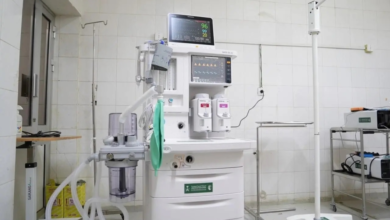
يؤكد الدليل ضرورة استيفاء عدد من المتطلبات الأساسية، من بينها استلام إذن التسليم، طباعة البيان الجمركي، والالتزام باشتراطات التخزين. وفيما يتعلق بالأجهزة الطبية، يوضح الدليل وجود نوعين من الفسح المسبق: الأول يتضمن مستندات الجهاز وشهادة المطابقة وشهادة (سابر)، فيما يقتصر النوع الثاني على شهادة (سابر) فقط.
وأشار الدليل في ختامه إلى احتمالية رفض الشحنات بعد الكشف أو سحب العينات إذا ثبت عدم مطابقتها، مع اتخاذ الإجراءات النظامية كإعادة التصدير أو الإتلاف، بينما يمكن منح فسح مؤقت لبعض الأغذية لحين صدور نتائج الفحص وفق الضوابط المعتمدة.