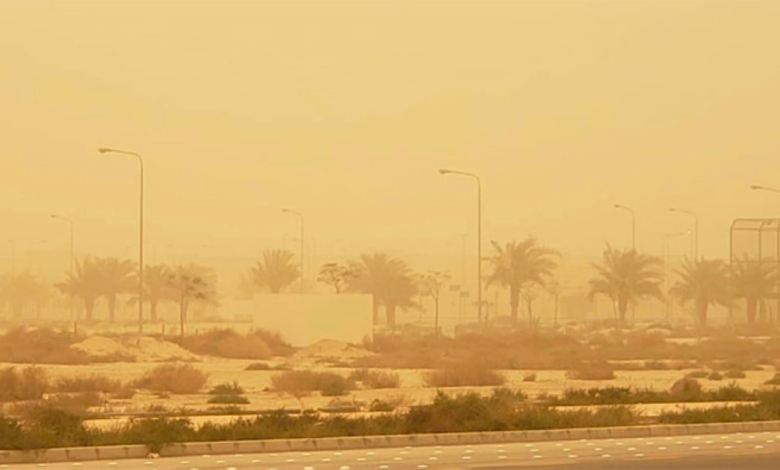

أعلن المركز الإقليمي للتحذير من العواصف الغبارية والرملية عن تسجيله ما مجموعه 23 ساعة من الحالات الغبارية في عدد من دول الإقليم يوم 11 مايو، وذلك في إطار جهوده المستمرة لمراقبة الظواهر الجوية وتحليل بياناتها بدقة. وتهدف هذه الجهود إلى تعزيز الوعي البيئي ودعم الجهات المختصة بالمعلومات المناخية اللازمة لاتخاذ الإجراءات الوقائية.
ووفقاً للتقرير الصادر عن المركز، تصدرت الأردن قائمة الدول الأكثر تأثراً، حيث سجلت 14 ساعة من الحالات الغبارية. تلتها باكستان بواقع 6 ساعات، ثم إيران بساعتين، بينما سجلت المملكة العربية السعودية ساعة واحدة. وأكد المركز أنه لم يتم رصد أي حالات غبارية في بقية دول الإقليم خلال نفس الفترة، مشدداً على استمرارية أعمال الرصد والتحليل ضمن مبادراته العلمية الهادفة إلى دراسة هذه الظواهر وتقديم البيانات الداعمة لصناع القرار.
السياق العام: ظاهرة متكررة في حزام الغبار العالمي
تُعد العواصف الغبارية والرملية ظاهرة طبيعية شائعة في منطقة الشرق الأوسط وشمال أفريقيا، التي تقع ضمن ما يُعرف بـ “حزام الغبار العالمي”. وتتكون هذه العواصف عندما تهب رياح قوية وعاتية على الأراضي الجافة والقاحلة، حاملة معها كميات هائلة من الرمال والغبار. تاريخياً، ارتبطت هذه الظاهرة بفترات الجفاف والتغيرات الموسمية، خاصة في فصلي الربيع والصيف. إلا أن التغيرات المناخية العالمية وزيادة معدلات التصحر وتدهور الأراضي في العقود الأخيرة أديا إلى زيادة تواتر وشدة هذه العواصف، مما يجعلها تحدياً بيئياً وصحياً متنامياً.
الأهمية والتأثيرات المتوقعة للعواصف الغبارية
تمتد تأثيرات العواصف الغبارية لتشمل جوانب متعددة على المستويات المحلية والإقليمية والدولية، ولا تقتصر على مجرد إعاقة الرؤية.
- على الصعيد الصحي: تحمل جزيئات الغبار الدقيقة (PM2.5 و PM10) ملوثات ومسببات للحساسية، ويمكن أن تتسبب في تفاقم أمراض الجهاز التنفسي مثل الربو والتهاب الشعب الهوائية، بالإضافة إلى تأثيرها السلبي على صحة القلب والعين.
- على الصعيد الاقتصادي: تؤدي العواصف الشديدة إلى شل حركة النقل الجوي والبري، مما يتسبب في خسائر اقتصادية كبيرة. كما تؤثر سلباً على القطاع الزراعي من خلال تغطية المحاصيل الزراعية وتقليل كفاءة الألواح الشمسية المستخدمة في توليد الطاقة المتجددة.
- على الصعيد البيئي: تساهم هذه الظواهر في تدهور جودة الهواء وتلوث المسطحات المائية، كما أنها تلعب دوراً في نقل المغذيات لمسافات بعيدة، ولكنها في المقابل تزيد من تآكل التربة وتفاقم مشكلة التصحر.
إن الطبيعة العابرة للحدود لهذه العواصف، كما يوضح التقرير الذي شمل دولاً متباعدة مثل الأردن وباكستان، تستدعي ضرورة تعزيز التعاون الإقليمي والدولي لتبادل البيانات وتطوير أنظمة إنذار مبكر فعالة، وتبني استراتيجيات مشتركة للتخفيف من آثارها، مثل برامج التشجير واستعادة الغطاء النباتي.