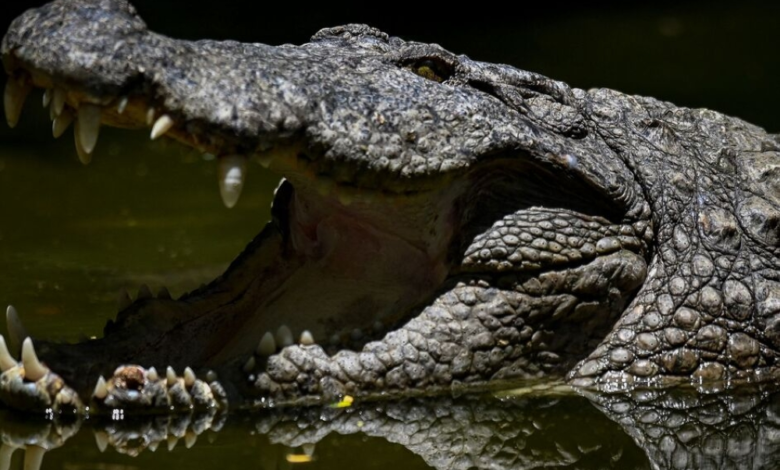

In an unprecedented and highly controversial move, Indian authorities are considering a unique proposal to use predatory reptiles, such as snakes and crocodiles, along its international borders. This initiative comes as part of the New Delhi government's ongoing efforts to strengthen its mechanisms for combating irregular migration, particularly across its eastern border with Bangladesh, which has witnessed a continuous influx of migrants for decades.
The historical and geographical context of the India-Bangladesh border
India and Bangladesh share a complex land and river border stretching over 4,000 kilometers, the fifth longest land border in the world. This border is largely characterized by rugged terrain, including river deltas originating in the Himalayas, wetlands, and dense forests such as the Sundarbans, renowned for its mangroves and home to crocodiles. Historically, the roots of the migration crisis between the two countries can be traced back to Bangladesh's 1971 War of Independence, which triggered mass displacement towards neighboring Indian states like Assam and West Bengal, creating a complex demographic makeup and social tensions that persist to this day.
Government policies and combating irregular migration
Since Indian Prime Minister Narendra Modi and his Bharatiya Janata Party (BJP) came to power in 2014, combating irregular migration has been a central political and security priority for the country. The Indian government has taken several stringent measures in this regard, most notably updating the National Register of Citizens (NRC) and enacting the Citizenship Amendment Act (CAA), both aimed at identifying undocumented migrants. The use of predatory animals is being considered as part of efforts to close gaps in riverine areas where traditional border fences are difficult to construct.
Proposal details and implementation challenges
In detailing the new proposal, a senior Indian Border Security Force officer stated that they had been formally asked to conduct a feasibility study on releasing dangerous reptiles, such as venomous snakes and crocodiles, into unprotected river waterways. The officer noted that this idea, which was first discussed last February, is innovative but fraught with numerous difficulties and challenges. Major security and environmental concerns arise; logistically, experts question how to introduce and control these reptiles in an open environment. Humanitarian concerns also exist regarding the potentially disastrous impact on residents of border towns and villages on both sides, who depend on these rivers for their daily livelihoods, including fishing and agriculture.
Expected regional and international repercussions
Regionally, this proposal, if implemented, is expected to spark diplomatic tensions with Bangladesh, which has long advocated for humane border management and the avoidance of lethal force. Internationally, any country resorting to using predators as a border control tool would open the door to widespread criticism from human rights and animal rights organizations, as it contravenes international standards for border management and the protection of civilian lives. Ultimately, this proposal reflects the scale of the challenge India faces in securing its complex borders, but it raises ethical and practical questions that could make its implementation extremely difficult.