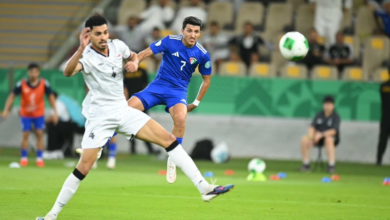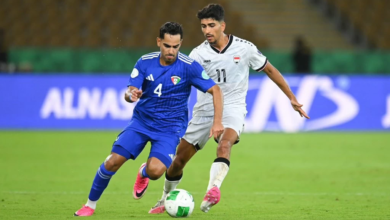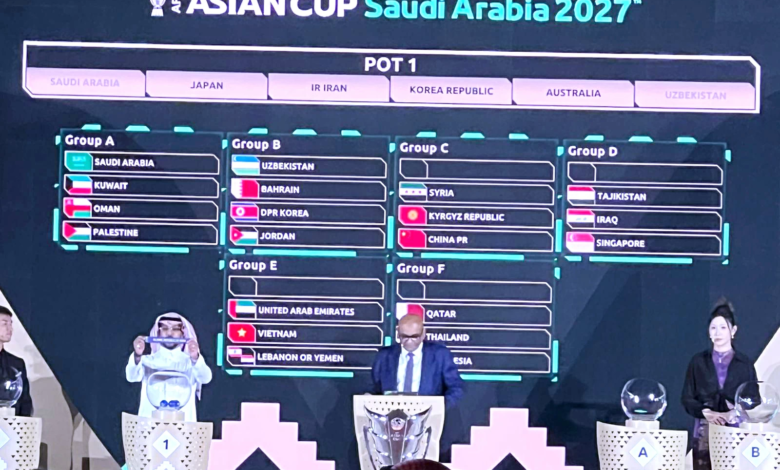

أسفرت قرعة بطولة كأس آسيا 2027، التي تستضيفها المملكة العربية السعودية للمرة الأولى في تاريخها، عن وقوع المنتخب السعودي (الأخضر) على رأس المجموعة الأولى، في مجموعة تحمل طابعًا خليجيًا وعربيًا خالصًا. وأقيمت مراسم القرعة في مدينة الدرعية التاريخية، بحضور نخبة من مسؤولي كرة القدم الآسيوية والسعودية ونجوم اللعبة، مما يعكس الأهمية الكبيرة التي توليها المملكة لهذا الحدث القاري.
السياق العام والخلفية التاريخية للبطولة
تُعد بطولة كأس آسيا أقدم وأعرق بطولة قارية للمنتخبات في العالم بعد كوبا أمريكا، حيث انطلقت نسختها الأولى عام 1956. ويحمل المنتخب السعودي تاريخًا حافلاً بالإنجازات في هذه البطولة، حيث يُعتبر من أنجح المنتخبات المشاركة بتتويجه باللقب ثلاث مرات في أعوام 1984، 1988، و1996. وتأتي استضافة المملكة للنسخة التاسعة عشرة من البطولة تتويجًا لمساعيها الحثيثة ضمن رؤية 2030 لتعزيز مكانتها كوجهة رياضية عالمية، خاصة وأنها المرة الأولى التي تقام فيها البطولة على الأراضي السعودية، مما يمنح “الأخضر” ميزة اللعب على أرضه وبين جماهيره لتحقيق اللقب الرابع الغائب عن خزائنه منذ عام 1996.
تفاصيل مجموعة المنتخب السعودي ومواعيد المباريات
أوقعت القرعة المنتخب السعودي إلى جانب منتخبات الكويت، سلطنة عُمان، وفلسطين. ويفتتح “الأخضر” مشواره في البطولة بمواجهة شقيقه المنتخب الفلسطيني يوم 7 يناير 2027 على استاد الملك فهد الدولي بالرياض. وستكون المباراة الثانية أمام منتخب عُمان في 12 يناير، قبل أن يختتم مبارياته في دور المجموعات بـ “ديربي خليجي” مرتقب أمام منتخب الكويت في 17 يناير 2027. وتُعد هذه المجموعة من المجموعات القوية التي تحظى باهتمام إعلامي وجماهيري واسع نظرًا للتنافس التاريخي بين منتخباتها.
أهمية الحدث وتأثيره المتوقع
على الصعيد المحلي، تمثل استضافة كأس آسيا 2027 دفعة قوية للبنية التحتية الرياضية في السعودية، حيث ستقام المباريات على ثمانية ملاعب متطورة في عدة مدن، مما يعزز من جاهزية المملكة لاستضافة أحداث أكبر في المستقبل، وعلى رأسها كأس العالم 2034. أما على الصعيد الإقليمي، فإن وجود ثلاثة منتخبات خليجية في مجموعة واحدة سيشعل المنافسة ويزيد من الزخم الجماهيري في المنطقة. كما تحمل مباراة السعودية وفلسطين أبعادًا رمزية وتضامنية كبيرة. دوليًا، تُرسخ هذه الاستضافة صورة المملكة كمركز رياضي عالمي قادر على تنظيم أكبر البطولات وفق أعلى المعايير، مما يساهم في تعزيز السياحة الرياضية وجذب أنظار العالم إلى النهضة الشاملة التي تشهدها البلاد.
بقية مجموعات البطولة
جاءت بقية المجموعات على النحو التالي:
- المجموعة الثانية: أوزبكستان، البحرين، كوريا الشمالية، الأردن.
- المجموعة الثالثة: إيران، سوريا، قيرغيزستان، الصين.
- المجموعة الرابعة: أستراليا، طاجيكستان، العراق، سنغافورة.
- المجموعة الخامسة: كوريا الجنوبية، الإمارات، فيتنام، والفائز من ملحق (لبنان واليمن).
- المجموعة السادسة: اليابان، قطر، تايلاند، إندونيسيا، وتعتبر من أقوى المجموعات.
ومع اكتمال ملامح المجموعات، يترقب عشاق كرة القدم الآسيوية انطلاق البطولة التي تعد بتقديم نسخة استثنائية في التنظيم والمنافسة، وسط تطلعات كبيرة من الجماهير السعودية لرؤية منتخب بلادها يعانق المجد القاري مجددًا.