
مقدمة: تصاعد القلق العالمي إزاء تفشي فيروس إيبولا
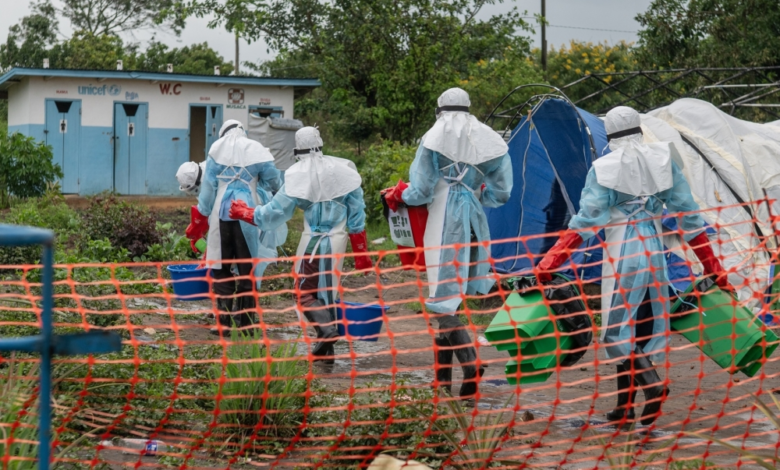
في تطور صحي مقلق يثير مخاوف المجتمع الدولي، أعلنت منظمة الصحة العالمية عن رصد تصاعد خطير في الحالات الوبائية، حيث تم تسجيل أكثر من 900 حالة اشتباه إصابة بفيروس إيبولا في جمهورية الكونغو الديمقراطية. وأكد المدير العام لمنظمة الصحة العالمية، تيدروس أدهانوم غيبريسوس، في تصريحات رسمية وجود 101 حالة إصابة مؤكدة مخبرياً بالمرض حتى الآن. يأتي هذا الإعلان ليسلط الضوء على أزمة صحية متجددة تهدد الأمن الصحي في القارة الإفريقية والعالم، خاصة مع تسجيل نحو 750 إصابة محتملة و177 حالة وفاة يُعتقد ارتباطها المباشر بهذا الوباء الفتاك الذي ينتشر بوتيرة متسارعة.
السياق التاريخي: الكونغو ومعركة مستمرة مع إيبولا
لفهم حجم الكارثة الحالية، يجب النظر إلى السياق التاريخي للمرض. تم اكتشاف فيروس إيبولا لأول مرة في عام 1976 بالقرب من نهر إيبولا في ما يعرف الآن بجمهورية الكونغو الديمقراطية. ومنذ ذلك الحين، أصبحت البلاد بؤرة متكررة لظهور الفيروس. يُعد هذا التفشي الحالي هو السابع عشر في تاريخ الكونغو الديمقراطية، ويُصنف كثاني أكبر وباء نشهده في العالم بعد كارثة غرب إفريقيا (2014-2016). وكانت منظمة الصحة العالمية قد أعلنت في وقت سابق عن تفشي سلالة ‘بونديبوجيو’ (Bundibugyo) النادرة من فيروس إيبولا، محذرة من أن خطر حدوث وباء واسع النطاق على المستوى الوطني في الكونغو الديمقراطية مرتفع جداً، نظراً لسرعة انتقال هذه السلالة وصعوبة السيطرة عليها في المناطق النائية.
10 دول إفريقية في دائرة الخطر الإقليمي
لم يقتصر الخطر على الحدود الكونغولية فحسب، بل امتد ليشكل تهديداً إقليمياً داهماً. فقد أطلقت المراكز الإفريقية لمكافحة الأمراض والوقاية منها (Africa CDC)، التابعة للاتحاد الإفريقي، تحذيرات شديدة اللهجة من أن 10 دول في القارة أصبحت مهددة ومعرضة لخطر تفشي الفيروس. وأوضح الدكتور جان كاسيا، المدير العام للمراكز الإفريقية، في مؤتمر صحفي أن الدول المعرضة لخطر انتقال وانتشار الفيروس تشمل: جنوب السودان، رواندا، كينيا، تنزانيا، إثيوبيا، جمهورية الكونغو، بوروندي، أنغولا، جمهورية إفريقيا الوسطى، وزامبيا، بالإضافة إلى أوغندا المجاورة التي عانت مسبقاً من موجات تفشي مشابهة. هذا التهديد الإقليمي يعود بشكل رئيسي إلى حركة التنقل المستمرة عبر الحدود وضعف البنية التحتية الصحية في بعض هذه الدول.
التأثير المتوقع: محلياً، إقليمياً، ودولياً
على الصعيد المحلي: يفرض هذا التفشي ضغوطاً هائلة على النظام الصحي الهش في الكونغو الديمقراطية. استنزاف الموارد الطبية، ونقص الكوادر المؤهلة، وصعوبة الوصول إلى المناطق المتضررة بسبب التحديات الجغرافية والأمنية، كلها عوامل تفاقم من حجم المأساة الإنسانية والاقتصادية في البلاد.
على الصعيد الإقليمي: يهدد انتشار الفيروس بضرب الاقتصادات المجاورة التي تعتمد على التجارة عبر الحدود. كما أن إغلاق الحدود المحتمل قد يؤدي إلى أزمات في سلاسل الإمداد الغذائي والطبي، مما يضاعف من معاناة الشعوب الإفريقية في الدول العشر المهددة.
على الصعيد الدولي: تضع هذه الأزمة منظمة الصحة العالمية والمجتمع الدولي أمام اختبار حقيقي لمدى جاهزية العالم للتصدي للأوبئة. يتطلب الأمر تدخلاً عاجلاً لتوفير اللقاحات المعتمدة، وتوجيه التمويل اللازم لدعم جهود الاحتواء، وتعزيز أنظمة الترصد الوبائي لمنع تحول هذا التفشي إلى جائحة عالمية تعيد للأذهان كوارث صحية سابقة.