
جهود دولية متسارعة لمواجهة تفشي إيبولا
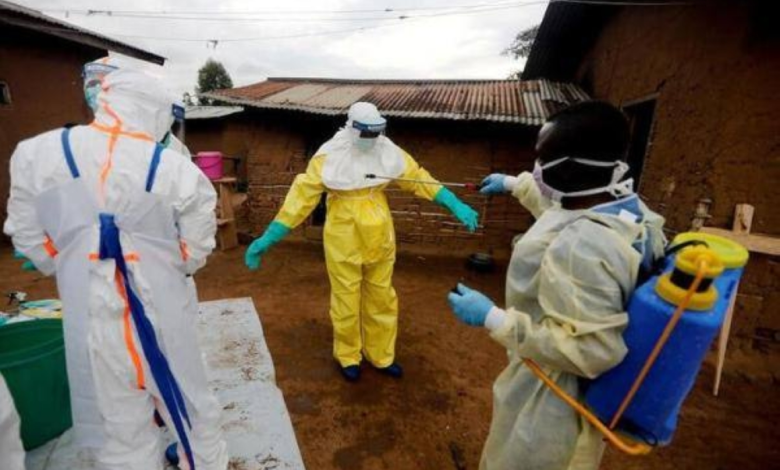
في خطوة تعكس حجم القلق العالمي، أعلنت منظمات صحية دولية عن تكثيف جهودها وتسريع وتيرة العمل من أجل إنتاج لقاح فيروس إيبولا فعال لمواجهة التفشي الحالي في جمهورية الكونغو الديمقراطية وأوغندا. ويأتي هذا التحرك العاجل استجابة لانتشار سلالة “بونديبوجيو”، التي لا يتوافر لها حاليًا أي لقاح أو علاج معتمد، مما دفع المجتمع العلمي والطبي إلى سباق حقيقي مع الزمن لاحتواء الوباء الذي تسبب حتى الآن في وفاة نحو 250 شخصًا وإصابة أكثر من 1100 آخرين.
إيبولا: تاريخ من التحديات الصحية العالمية
فيروس إيبولا، الذي تم اكتشافه لأول مرة عام 1976 بالقرب من نهر إيبولا في الكونغو، ليس غريبًا على الساحة الصحية العالمية. على مر العقود، تسبب الفيروس في موجات تفشٍ متعددة، كان أكثرها دموية تفشي غرب إفريقيا بين عامي 2014 و2016، والذي أودى بحياة أكثر من 11 ألف شخص. تلك الأزمة كشفت عن ثغرات كبيرة في منظومة الاستجابة العالمية للأوبئة وأكدت على الحاجة الماسة لتطوير لقاحات وعلاجات فعالة. يوجد حاليًا لقاح “إرفيبو” (Ervebo) المعتمد، لكن فعاليته تقتصر على سلالة “زائير”، وهي الأكثر شيوعًا، بينما يظل العالم بلا حماية ضد سلالات أخرى مثل “بونديبوجيو”، مما يجعل الجهود الحالية بالغة الأهمية.
سباق علمي لتطوير لقاح فيروس إيبولا فعال
تقود منظمة الصحة العالمية والتحالف من أجل ابتكارات التأهب للأوبئة (CEPI) هذه الجهود، مع التركيز على ثلاثة لقاحات مرشحة واعدة. وأشارت منظمة الصحة العالمية إلى أن اللقاح الأقرب للنجاح هو لقاح “rVSV” أحادي الجرعة، الذي تطوره المبادرة الدولية للقاح الإيدز (IAVI) بالتعاون مع الفرع الطبي لجامعة تكساس. يعتمد هذا اللقاح على نفس المنصة التكنولوجية التي أثبتت نجاحها في لقاح “إرفيبو”، وقد أظهرت التجارب التي أجريت على القردة في عام 2013 حماية فعالة ضد سلالة “بونديبوجيو”. من المتوقع أن يكون هذا اللقاح جاهزًا للتجارب السريرية على البشر في غضون سبعة إلى تسعة أشهر. بالإضافة إلى ذلك، يشمل التمويل لقاحًا آخر تطوره جامعة أكسفورد، والذي قد يكون جاهزًا للتجارب خلال شهرين إلى ثلاثة أشهر، ولقاح ثالث من شركة “موديرنا” الأمريكية يعتمد على تقنية الحمض النووي الريبوزي المرسال (mRNA) المبتكرة.
الأهمية الاستراتيجية للقاح الجديد
إن تطوير لقاح ناجح ضد سلالة “بونديبوجيو” يتجاوز تأثيره حدود الكونغو وأوغندا. على المستوى المحلي، سيمثل طوق نجاة للمجتمعات المتضررة، حيث سيساهم في كسر سلسلة العدوى وإنقاذ الأرواح. أما إقليميًا، فسيشكل جدار حماية يمنع انتشار الفيروس إلى الدول المجاورة، مما يحافظ على الاستقرار الصحي والاقتصادي في منطقة وسط إفريقيا. وعلى الصعيد الدولي، يعد هذا اللقاح استثمارًا حيويًا في الأمن الصحي العالمي، ويعزز من قدرة العالم على الاستجابة السريعة للأوبئة الفتاكة، وهو درس قاسٍ تعلمه الجميع من جائحة كوفيد-19.