
مقدمة: إنجاز إنساني في ظل الأزمات
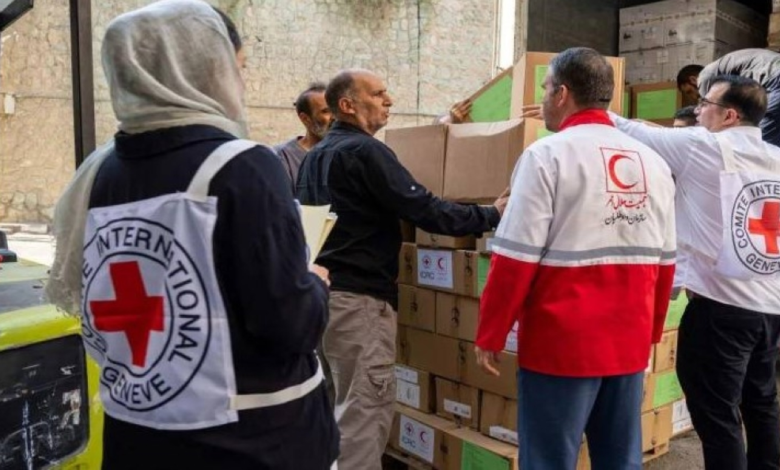
في خطوة إنسانية بالغة الأهمية، أعلن الاتحاد الدولي لجمعيات الصليب الأحمر والهلال الأحمر، بالتعاون مع اللجنة الدولية للصليب الأحمر، عن إدخال أول شحنة مساعدات لإيران منذ اندلاع النزاع الأخير. وتأتي هذه الشحنة، التي تضم إمدادات طبية منقذة للحياة ومواد إغاثية أساسية، كأول عملية عبور للحدود من نوعها منذ تصاعد التوترات والضربات الإسرائيلية والأمريكية على إيران في 28 فبراير. وقد أوضح الاتحاد أن هذه القافلة الحيوية تمكنت من دخول الأراضي الإيرانية يوم الأحد، لتمثل شريان حياة للمجتمعات المتضررة.
تفاصيل أول شحنة مساعدات لإيران ومسارها
صرح المتحدث باسم الاتحاد، توماسو ديلا لونغا، في مؤتمر صحفي بجنيف، أن قافلة الشاحنات انطلقت من العاصمة التركية أنقرة يوم الجمعة، لتكون من أوائل الشحنات الطبية العابرة للحدود التي ترسلها المنظمات الدولية منذ بدء النزاع. وفي سياق متصل، أعلنت اللجنة الدولية للصليب الأحمر أنها سلمت يوم الاثنين شحنة ضخمة بلغت حمولتها 171 طناً من مواد الإغاثة الأساسية. وقد شملت العملية إرسال 14 شاحنة من مستودعات اللجنة في الأردن، محملة بمواد منزلية أساسية تكفي لتلبية احتياجات نحو 25 ألفاً و90 شخصاً. وتضمنت هذه المواد بطانيات، فُرشاً، خزانات مياه، أدوات مطبخ، أغطية بلاستيكية، ومصابيح تعمل بالطاقة الشمسية. كما تم توفير 200 مولد كهرباء و100 مضخة مياه تم شراؤها محلياً لدعم عمليات الإغاثة والإنقاذ التي يقودها الهلال الأحمر الإيراني.
السياق العام والخلفية التاريخية للأزمة الإنسانية
لفهم الأهمية البالغة لهذه الخطوة، يجب النظر إلى السياق العام والخلفية التاريخية للوضع الإنساني في إيران. على مدار عقود، عانت سلاسل الإمداد الإنسانية والطبية في إيران من تعقيدات شديدة بسبب العقوبات الاقتصادية الدولية. ورغم أن الأدوية والمعدات الطبية تُستثنى نظرياً من هذه العقوبات، إلا أن الامتثال المفرط من قبل البنوك العالمية والشركات الموردة جعل من الصعب جداً على طهران استيراد احتياجاتها الطبية بسلاسة. ومع اندلاع النزاع الأخير، تعرضت سلاسل الإمداد لاضطرابات أشد قسوة، مما جعل إيصال الإمدادات الطبية والإغاثية الأساسية إلى المحتاجين أكثر صعوبة وكلفة من أي وقت مضى، وهو ما يبرز القيمة الاستثنائية لهذه الشحنة الدولية لكسر هذا الطوق الإنساني.
أهمية الحدث وتأثيره المتوقع محلياً وإقليمياً
يحمل إدخال هذه الشحنة أهمية استراتيجية وإنسانية كبرى على عدة مستويات. محلياً، ستساهم المجموعات الطبية الخاصة بالإصابات في تقديم رعاية فورية ومنقذة للحياة للمتضررين، وتخفيف العبء الهائل عن كاهل القطاع الصحي الإيراني المنهك. إقليمياً ودولياً، يعكس هذا الحدث نجاح الدبلوماسية الإنسانية والتعاون العابر للحدود، حيث لعبت دول الجوار مثل تركيا والأردن دوراً لوجستياً محورياً في تسهيل مرور القوافل. هذا التعاون يثبت أن الممرات الإنسانية يمكن أن تظل مفتوحة حتى في أحلك الظروف الجيوسياسية، مما يرسخ مبدأ الحياد الإنساني وضرورة تحييد المدنيين عن الصراعات.
تضحيات الهلال الأحمر الإيراني وخطط التوسع المستقبلية
لم تكن هذه الجهود الإنسانية بلا ثمن؛ فقد أشار ديلا لونغا إلى الضغوط الكبيرة والمخاطر الجسيمة التي يتعرض لها الهلال الأحمر الإيراني، كاشفاً عن فقدان أربعة من عمال الإغاثة أثناء تأديتهم لواجبهم في إنقاذ الأرواح منذ اندلاع الحرب، وهو أمر وصفه بـ “غير المقبول”. من جانبه، أكد رئيس بعثة اللجنة الدولية في إيران، فنسنت كاسار، على استمرار الالتزام الدولي، معرباً عن أمله في أن توفر هذه الشحنة بعض الإغاثة للمجتمعات التي تعاني من التأثير المدمر للنزاع. وشدد على أن الاحتياجات الإنسانية لا تزال مرتفعة في جميع أنحاء البلاد، معلناً عن خطط لتوسيع الدعم وإدخال مزيد من المجموعات الإغاثية خلال الأسابيع الثلاثة المقبلة لمواصلة مساندة الجهود الإنسانية الحيوية.