
تحديات اتفاق غزة: الوسطاء يواجهون فرصاً محدودة
تواجه الجهود الدبلوماسية الرامية إلى التوصل إلى اتفاق غزة تحديات غير مسبوقة، حيث يجد الوسطاء الدوليون والإقليميون أنفسهم أمام فرص محدودة لإنقاذ مسار المفاوضات. جاء ذلك في أعقاب التحفظات العميقة التي برزت خلال اجتماعات القاهرة الأخيرة، والتي أظهرت فجوات واسعة بين مطالب الأطراف المعنية، مما يهدد بتعقيد المشهد السياسي والميداني بشكل أكبر.
عقبات اجتماعات القاهرة والتحفظات الرئيسية
شهدت العاصمة المصرية جولات مكثفة من المباحثات بمشاركة وفود من مصر، قطر، والولايات المتحدة الأمريكية، إلى جانب ممثلي الأطراف المتنازعة. ورغم الآمال التي عُقدت على هذه الجولات لاختراق الجدار المسدود، إلا أن التحفظات المتبادلة حالت دون إعلان اختراق جوهري. تتركز أبرز نقاط الخلاف حول الترتيبات الأمنية في محاور استراتيجية مثل محور فيلادلفيا وممر نتساريم، بالإضافة إلى آليات عودة النازحين الفلسطينيين إلى شمال القطاع، وتفاصيل صفقة تبادل الأسرى والمحتجزين. هذه التعقيدات جعلت مهمة الوسطاء في صياغة مسودة مقبولة للجميع أمراً بالغ الصعوبة.
السياق العام والخلفية التاريخية للمفاوضات
لفهم التعقيد الحالي، يجب النظر إلى السياق التاريخي للأزمة التي اندلعت في السابع من أكتوبر 2023. منذ ذلك الحين، يعيش قطاع غزة أزمة إنسانية كارثية غير مسبوقة. ورغم نجاح الوسطاء في التوصل إلى هدنة إنسانية مؤقتة في أواخر نوفمبر 2023، والتي أسفرت عن تبادل عدد من الأسرى وإدخال مساعدات إغاثية، إلا أن الجولات اللاحقة في باريس والدوحة والقاهرة اصطدمت بتصلب المواقف. تسعى إسرائيل إلى ضمانات أمنية تمنع تكرار أحداث أكتوبر، بينما تصر الفصائل الفلسطينية على وقف شامل ودائم لإطلاق النار وانسحاب كامل للقوات الإسرائيلية من القطاع.
أهمية الحدث وتأثيره المتوقع
لا يقتصر تأثير تعثر اتفاق غزة على النطاق المحلي فحسب، بل يمتد ليشمل أبعاداً إقليمية ودولية خطيرة:
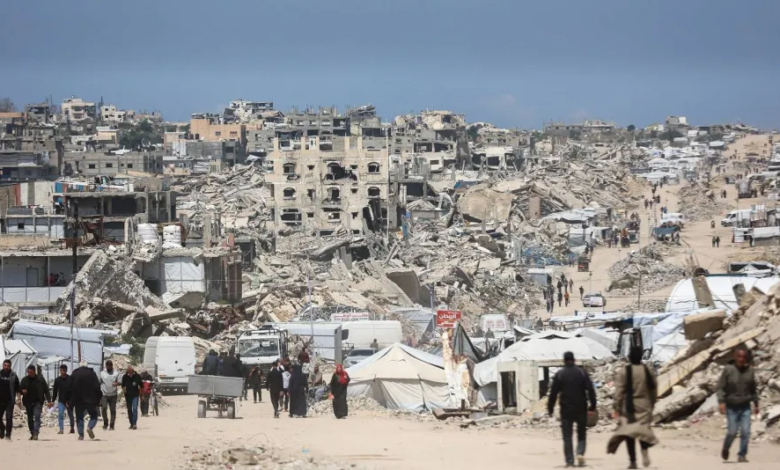
- التأثير المحلي: استمرار العمليات العسكرية يعني تفاقم المأساة الإنسانية للمدنيين في غزة، وزيادة أعداد الضحايا، وتدمير ما تبقى من البنية التحتية، فضلاً عن استمرار معاناة عائلات المحتجزين.
- التأثير الإقليمي: يثير الجمود في المفاوضات مخاوف جدية من اتساع رقعة الصراع ليشمل جبهات أخرى، خاصة التوترات المستمرة على الحدود اللبنانية، والتصعيد في البحر الأحمر، مما يهدد الاستقرار الهش في الشرق الأوسط.
- التأثير الدولي: تضع هذه الأزمة ضغوطاً هائلة على الإدارة الأمريكية وحلفائها، وتؤثر على حركة الملاحة العالمية وسلاسل الإمداد، ناهيك عن التداعيات على القانون الدولي والمؤسسات الأممية.
مستقبل الجهود الدبلوماسية
في ظل هذه المعطيات، يبقى الوسطاء في سباق مع الزمن لاستغلال الفرص المحدودة المتبقية. يتطلب الوصول إلى تسوية تنازلات مؤلمة من كلا الطرفين، وإرادة سياسية حقيقية لتغليب المصلحة الإنسانية والاستقرار الإقليمي على المكاسب التكتيكية. الأيام القادمة ستكون حاسمة في تحديد مسار المنطقة؛ إما نحو تهدئة تفتح الباب لمسار سياسي أوسع، أو نحو انزلاق خطير في صراع مفتوح لا تُحمد عقباه.