
إدانة خليجية حازمة للهجوم العدائي
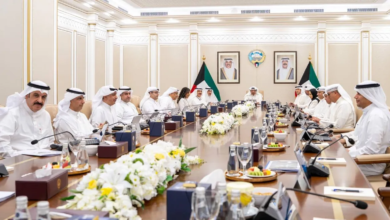
أدان الأمين العام لمجلس التعاون لدول الخليج العربية، الأستاذ جاسم محمد البديوي، بأشد العبارات الهجوم العدائي الذي استهدف المملكة العربية السعودية باستخدام طائرات مسيرة انطلقت من الأجواء العراقية. وأكد البديوي في بيان رسمي أن هذا الاعتداء السافر يمثل انتهاكاً صارخاً للأمن والاستقرار في المنطقة، ويعكس استمرار النهج التصعيدي الخطير الذي تتبناه بعض الجماعات المسلحة. وأوضح أن مثل هذه الهجمات من شأنها تقويض الأمن الإقليمي، وتهديد سلامة المنشآت الحيوية والبنية التحتية، فضلاً عن ترويع المدنيين الآمنين.
تضامن خليجي مطلق مع أمن المملكة
وشدد الأمين العام على الموقف الثابت والراسخ لمجلس التعاون الخليجي، مبيناً أن أمن المملكة العربية السعودية هو جزء لا يتجزأ من أمن دول المجلس مجتمعة. وأكد وقوف دول الخليج صفاً واحداً مع المملكة في كل ما تتخذه من إجراءات وتدابير رادعة للحفاظ على أمنها واستقرارها، وصون سيادتها وسلامة أراضيها ضد أي تهديدات خارجية، انطلاقاً من مبدأ الدفاع المشترك والمصير الواحد الذي يجمع دول المنظومة الخليجية.
السياق التاريخي والتهديدات المستمرة
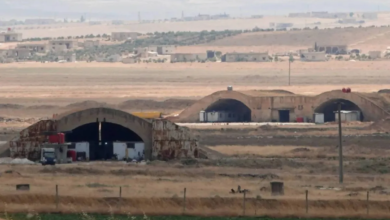
تأتي هذه الإدانة في سياق تاريخي يشهد تكراراً لمحاولات استهداف الأراضي السعودية بطائرات مسيرة مفخخة وصواريخ باليستية من قبل ميليشيات مسلحة في المنطقة. ففي السنوات الماضية، تعرضت المملكة لعدة هجمات مشابهة استهدفت أعياناً مدنية ومنشآت اقتصادية حيوية، لعل أبرزها الهجمات التي طالت منشآت نفطية تابعة لشركة أرامكو، والمطارات المدنية. ويمثل استخدام الأجواء العراقية في هذا الهجوم الأخير تطوراً لافتاً يسلط الضوء على التحديات الأمنية المعقدة التي تواجهها المنطقة، وضرورة تكاتف الجهود الإقليمية والدولية لمنع استخدام أراضي الدول المجاورة كمنصات لإطلاق الهجمات العابرة للحدود التي تنتهك سيادة الدول.
التأثيرات المحلية والإقليمية والدولية
على الصعيد الإقليمي والدولي، يحمل هذا الحدث تداعيات بالغة الأهمية. فمحلياً، تستمر المملكة العربية السعودية في تعزيز منظومات دفاعها الجوي التي أثبتت كفاءة عالية في اعتراض وتدمير هذه التهديدات قبل وصولها إلى أهدافها، مما يضمن حماية المواطنين والمقيمين. وإقليمياً، يعزز هذا الهجوم من تماسك التحالف الخليجي ويدفع نحو مزيد من التنسيق الأمني والعسكري المشترك لمواجهة التهديدات غير المتماثلة. أما على المستوى الدولي، فإن استهداف البنية التحتية في المملكة، التي تعد من أكبر مصدري الطاقة في العالم، يمثل تهديداً مباشراً لاستقرار أسواق الطاقة العالمية وأمن الاقتصاد الدولي. ولذلك، طالما دعت الأمم المتحدة والمجتمع الدولي إلى ضرورة وقف هذه الهجمات العدائية التي تنتهك القوانين والأعراف الدولية، وتعيق جهود إحلال السلام في الشرق الأوسط.
رسالة حازمة لحفظ الاستقرار
في الختام، تجدد دول مجلس التعاون الخليجي التزامها بالدفاع المشترك، موجهة رسالة واضحة بأن المساس بأمن أي دولة عضو هو اعتداء على المنظومة بأكملها. وتبقى الدبلوماسية الخليجية، المدعومة بالقوة الرادعة والجاهزية العالية، حجر الزاوية في الحفاظ على المكتسبات الوطنية وحماية المنطقة من الانزلاق نحو صراعات أوسع، مع التأكيد على حق المملكة المشروع في الرد وحماية مقدراتها.