
إدانة خليجية حازمة لتصريحات أمين عام حزب الله
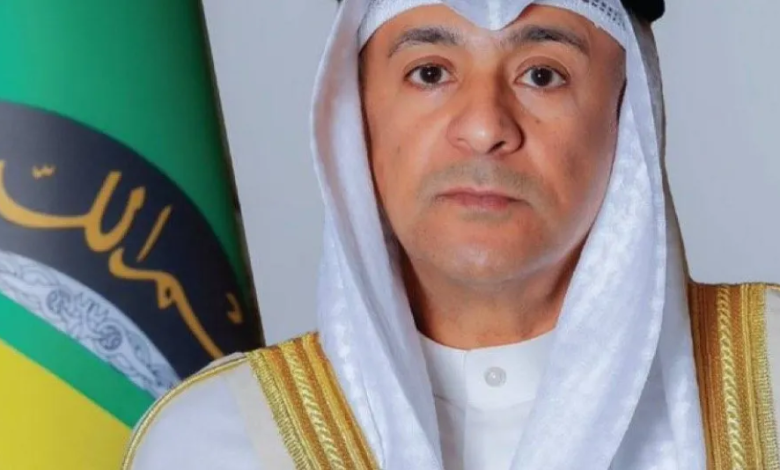
أعرب مجلس التعاون لدول الخليج العربية عن إدانته واستنكاره الشديدين للتصريحات التي أدلى بها أمين عام “حزب الله” اللبناني، والتي تضمنت تدخلاً سافراً ومرفوضاً في الشأن الداخلي لمملكة البحرين. واعتبر المجلس أن هذه التصريحات تمثل تجاوزاً خطيراً للأعراف الدبلوماسية ومبادئ حسن الجوار، وتتنافى تماماً مع القوانين والمواثيق الدولية التي تنص على احترام سيادة الدول واستقلالها وعدم التدخل في شؤونها الداخلية بأي شكل من الأشكال.
السياق التاريخي للتدخلات في الشأن البحريني والخليجي
تأتي هذه الإدانة في سياق تاريخي ممتد من التوترات بين دول مجلس التعاون الخليجي وميليشيا “حزب الله” اللبنانية. فمنذ أحداث عام 2011، دأب الحزب وأمينه العام على إطلاق تصريحات تحريضية تستهدف أمن واستقرار مملكة البحرين، وهو ما تنظر إليه المنامة وعواصم الخليج على أنه محاولة يائسة لتصدير الأزمات وإثارة الفتنة الطائفية. وفي عام 2016، اتخذت دول مجلس التعاون الخليجي وجامعة الدول العربية قراراً حاسماً بتصنيف “حزب الله” كمنظمة إرهابية، وذلك بناءً على استمرار الحزب في ممارسة أعمال عدائية وتجنيد خلايا إرهابية وتهريب الأسلحة والمتفجرات إلى دول الخليج، فضلاً عن انخراطه المباشر في الصراعات الإقليمية تنفيذاً لأجندات خارجية، وتحديداً الأجندة الإيرانية التي تسعى لزعزعة استقرار المنطقة.
التداعيات الإقليمية وتأثيرها على العلاقات اللبنانية الخليجية
على الصعيد الإقليمي، تترك مثل هذه التصريحات تداعيات سلبية وعميقة على العلاقات الثنائية بين الجمهورية اللبنانية ودول مجلس التعاون الخليجي. فلطالما طالبت دول الخليج الحكومة اللبنانية بتحمل مسؤولياتها الدستورية والسياسية لمنع استخدام الأراضي اللبنانية كمنصة لمهاجمة الدول العربية والإساءة إليها. إن استمرار “حزب الله” في اختطاف القرار السياسي اللبناني وتوجيه بوصلته نحو معاداة المحيط العربي، يؤدي إلى عزلة لبنان سياسياً واقتصادياً، ويعرقل أي جهود إقليمية ودولية تهدف إلى مساعدة لبنان في الخروج من أزماته المتلاحقة. وتؤكد دول الخليج دائماً حرصها على الشعب اللبناني الشقيق، لكنها في الوقت ذاته ترفض رفضاً قاطعاً أن يكون لبنان منطلقاً للإضرار بأمنها القومي.
أهمية التضامن الخليجي في مواجهة التهديدات
تبرز هذه الحادثة الأهمية الاستراتيجية للتضامن الخليجي المشترك. فمجلس التعاون الخليجي يتبنى مبدأ ثابتاً يتمثل في أن أمن دول المجلس كل لا يتجزأ، وأن أي مساس بأمن واستقرار مملكة البحرين هو مساس مباشر بأمن المنظومة الخليجية بأكملها. هذا التكاتف يبعث برسالة قوية وواضحة للمجتمع الدولي وللأطراف الإقليمية الداعمة للميليشيات المسلحة، مفادها أن دول الخليج تقف صفاً واحداً في مواجهة أي محاولات لاختراق جبهتها الداخلية أو المساس بسيادتها. كما يعزز هذا الموقف من الجهود الدولية الرامية إلى مكافحة الإرهاب وتجفيف منابعه، ويؤكد على ضرورة التزام جميع الأطراف بمبادئ القانون الدولي وميثاق الأمم المتحدة لضمان السلم والأمن الدوليين في منطقة الشرق الأوسط الحيوية.