
حالة من التوتر تسيطر على أسواق الأسهم العالمية
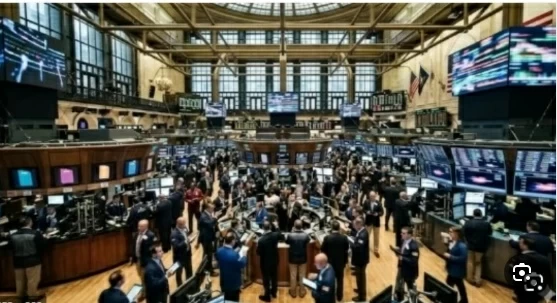
تعيش أسواق الأسهم العالمية حالة غير مسبوقة من التوتر والتقلبات الحادة منذ اندلاع الصراع الذي يجمع بين الولايات المتحدة الأمريكية وإسرائيل من جهة، وإيران من جهة أخرى، وذلك في أواخر شهر فبراير الماضي. ورغم الآمال الكبيرة التي عقدها المستثمرون على تحقيق انفراجة دبلوماسية تنهي هذه الأزمة، إلا أن المفاوضات والجهود الدولية لم تسفر حتى اللحظة عن أي تقدم ملموس يذكر. وقد تفاقمت حدة الضغوط على الأسواق المالية بعد أن حدد الرئيس الأمريكي دونالد ترمب موعداً نهائياً حاسماً للتوصل إلى اتفاق، وهو الساعة الثامنة مساءً بتوقيت شرق الولايات المتحدة اليوم، مما وضع المستثمرين في حالة من الترقب الشديد.
السياق العام والخلفية التاريخية للأزمة
تاريخياً، طالما كانت منطقة الشرق الأوسط، وتحديداً الممرات المائية الاستراتيجية مثل مضيق هرمز، نقطة حساسة للغاية بالنسبة للاقتصاد العالمي. يمر عبر هذا المضيق نسبة كبيرة من إمدادات النفط العالمية، وأي تهديد بإغلاقه أو تعطيل الملاحة فيه يؤدي فوراً إلى صدمات في أسعار الطاقة. وفي هذا السياق، أدت حالة الضبابية الحالية إلى هيمنة واضحة لظاهرة العزوف عن المخاطرة على أسواق الأسهم العالمية، حيث يفضل المستثمرون تسييل أصولهم أو الاتجاه نحو الملاذات الآمنة. وقد انعكس هذا التوتر بشكل مباشر على أسواق الطاقة، مما أدى إلى ارتفاع ملحوظ في أسعار النفط الخام، ودفع قطاع الطاقة الأوروبي إلى تسجيل ارتفاع بنسبة 0.8%.
تقييم المستثمرين وأداء مؤشرات وول ستريت
قبيل انتهاء المهلة التي حددها ترمب لإيران بشأن إعادة فتح مضيق هرمز، تراجعت المؤشرات الرئيسية في «وول ستريت» عند الافتتاح. يعكف المستثمرون حالياً على التقييم الدقيق للتصريحات المتبادلة الصادرة عن واشنطن وطهران، بحثاً عن أي دلالات أو إشارات قد توضح المسار المستقبلي لهذا الصراع المعقد. وعلى صعيد الأرقام، شهدت الجلسة تبايناً ملحوظاً؛ إذ ارتفع مؤشر “داو جونز” الصناعي بمقدار 74.9 نقطة، أي ما يعادل 0.16%، ليصل إلى مستوى 46,744.76 نقطة. في المقابل، انخفض مؤشر “ستاندرد آند بورز 500” بمقدار 9.9 نقطة (0.15%) ليستقر عند 6,601.93 نقطة، كما تراجع مؤشر “ناسداك” المجمع بمقدار 69.2 نقطة (0.31%) ليصل إلى 21,927.087 نقطة.
استقرار حذر في الأسواق الأوروبية
على الجانب الآخر من المحيط الأطلسي، استقرت الأسهم الأوروبية اليوم مع بقاء المتداولين في حالة ترقب شديد وسط تصاعد التوترات في الشرق الأوسط واقتراب الموعد النهائي الأمريكي. وقد استؤنفت عمليات التداول في البورصات الأوروبية بعد عطلة طويلة بمناسبة عيد القيامة. وشهدت المؤشرات الرئيسية استقراراً أو ارتفاعاً طفيفاً؛ حيث ارتفع مؤشر “ستوكس 600” الأوروبي بنسبة 0.1% ليصل إلى 597.24 نقطة. كما صعد مؤشر “فايننشال تايمز 100” في لندن بنسبة 0.1%، بينما تراجع مؤشر “داكس” الألماني بنسبة 0.1%. وتصدر قطاع البنوك قائمة المكاسب بارتفاع قدره 0.7%، في حين سجل قطاع تكنولوجيا المعلومات أقل نسبة زيادة.
التأثير المتوقع على المستويين الإقليمي والدولي
إن استمرار هذه التوترات الجيوسياسية يحمل تداعيات عميقة. على المستوى الدولي، قد يؤدي بقاء أسعار النفط عند مستويات مرتفعة إلى تغذية معدلات التضخم العالمية مجدداً، مما قد يجبر البنوك المركزية الكبرى على تأجيل خطط خفض أسعار الفائدة. أما على المستوى الإقليمي، فإن تصاعد الصراع يهدد استقرار أسواق المال في منطقة الشرق الأوسط، ورغم أن الدول المصدرة للنفط قد تستفيد مؤقتاً من زيادة العوائد النفطية، إلا أن البيئة الأمنية غير المستقرة تظل عائقاً رئيسياً أمام جذب الاستثمارات الأجنبية المباشرة، مما يفرض تحديات طويلة الأمد على النمو الاقتصادي.