
مع توافد حجاج بيت الله الحرام إلى مشعر منى لقضاء أيام التشريق، تواصل اللجنة الشرعية ضمن “برنامج ضيوف خادم الحرمين الشريفين للحج والعمرة والزيارة” جهودها الدينية والتوعوية المكثفة، لضمان تأدية ضيوف البرنامج لمناسكهم على الوجه الأكمل وفي أجواء إيمانية مفعمة بالسكينة والطمأنينة. ويأتي هذا البرنامج، الذي تشرف على تنفيذه وزارة الشؤون الإسلامية والدعوة والإرشاد، كجزء من منظومة الخدمات المتكاملة التي تقدمها المملكة العربية السعودية لخدمة حجاج بيت الله الحرام.
خلفية تاريخية لبرنامج الاستضافة الملكي
يُعد برنامج ضيوف خادم الحرمين الشريفين للحج والعمرة والزيارة مبادرة ملكية كريمة انطلقت منذ سنوات، وتحديداً في عام 1417هـ، بهدف استضافة آلاف المسلمين من مختلف أنحاء العالم لأداء فريضتي الحج والعمرة. لا يقتصر البرنامج على عامة المسلمين، بل يولي اهتماماً خاصاً باستضافة شخصيات إسلامية بارزة، وأسر الشهداء والمصابين من دول مختلفة، والمتميزين في خدمة الإسلام، مما يجعله جسراً للتواصل الحضاري والإنساني وتعميق أواصر الأخوة الإسلامية. تعكس هذه المبادرة الدور الريادي للمملكة في خدمة الإسلام والمسلمين، وعنايتها الفائقة بضيوف الرحمن.
منظومة إرشادية متكاملة في مشعر منى
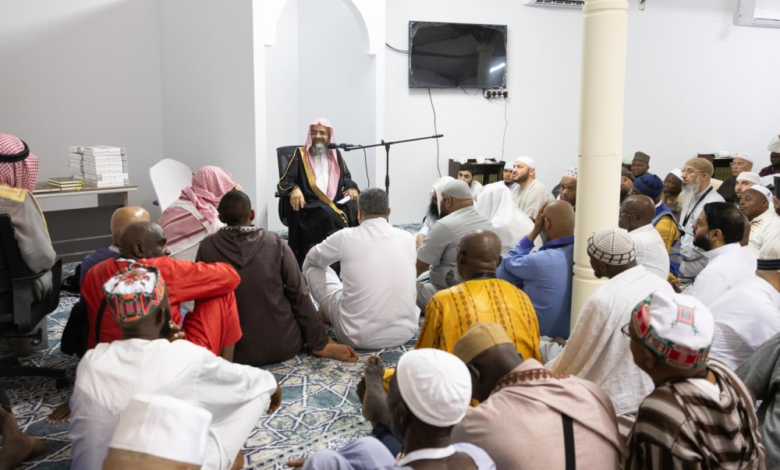
تعمل اللجنة الشرعية من خلال مقرها المجهز ومصلى المخيمات في منى على مدار الساعة، حيث تقدم باقة متنوعة من الخدمات العلمية والإرشادية. تشمل هذه الخدمات إلقاء الدروس الفقهية والمحاضرات التوجيهية التي تشرح أحكام المناسك، خاصة ما يتعلق بأيام التشريق من رمي للجمرات والمبيت في منى وغيرها من الشعائر. ولضمان وصول الرسالة إلى جميع الضيوف القادمين من أكثر من 100 دولة، يتم تقديم هذه البرامج بعدة لغات عالمية، بمشاركة نخبة من العلماء والدعاة والمترجمين المعتمدين، الذين يجيبون بصدر رحب على كافة استفسارات الحجاج الفقهية.
حراك علمي وتفاعل معرفي
لا تقتصر الجهود على الإرشاد المباشر، بل يشهد مصلى المخيمات حراكاً علمياً وفكرياً متنوعاً عقب كل صلاة. تُنظم مسابقات ثقافية ودينية تهدف إلى إثراء المعرفة الشرعية لدى الحجاج، مع تكريم الفائزين والمتميزين منهم. وتعتبر خدمة الرد المباشر على الاستفسارات من أبرز ما تقدمه اللجنة، حيث يحرص العلماء والدعاة على استقبال أسئلة الضيوف والإجابة عليها بما يزيل أي لبس أو غموض، لا سيما في المسائل الدقيقة المتعلقة بأحكام الرمي، والطواف، والهدي، وسائر مناسك الحج.
الأهمية والتأثير المحلي والدولي
تتجاوز أهمية هذه الجهود الإرشادية حدود المخيمات في منى. فعلى الصعيد المحلي، هي تجسيد للعناية الفائقة التي توليها قيادة المملكة لضيوف الرحمن، وحرصها على توفير كل ما من شأنه تيسير رحلتهم الإيمانية. أما على الصعيد الدولي، فإن هذا البرنامج يعزز من مكانة المملكة كقلب نابض للعالم الإسلامي وراعٍ للحرمين الشريفين. كما يساهم في نشر رسالة الإسلام السمحة المعتدلة، وتصحيح المفاهيم الخاطئة، وبناء صورة إيجابية عن الجهود الجبارة التي تبذلها السعودية في تنظيم وإدارة موسم الحج، الذي يعد أكبر تجمع إسلامي سنوي في العالم.