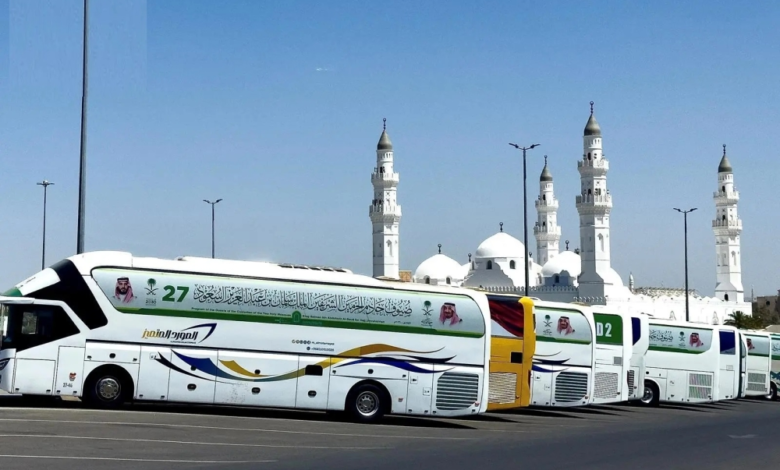

في أجواء روحانية مفعمة بعبق التاريخ الإسلامي، قام ضيوف برنامج خادم الحرمين الشريفين للحج والعمرة والزيارة بزيارة مسجد قباء في المدينة المنورة، وذلك ضمن البرنامج الثقافي الذي تنظمه وزارة الشؤون الإسلامية والدعوة والإرشاد للمستضافين القادمين من 104 دول حول العالم. وتأتي هذه الزيارة لتثري تجربة الضيوف الدينية والثقافية، وتعرفهم على المعالم الخالدة التي شكلت مهد انطلاقة الدولة الإسلامية.
أهمية مسجد قباء التاريخية والدينية
يحمل مسجد قباء مكانة فريدة في قلوب المسلمين، فهو ليس مجرد دار للعبادة، بل هو أول مسجد أُسس في الإسلام بعد هجرة النبي محمد صلى الله عليه وسلم من مكة إلى المدينة. وقد شارك النبي الكريم بنفسه في وضع أحجاره الأولى، ليصبح منارة للهدى أُسست على التقوى من أول يوم، كما ورد في القرآن الكريم. ترتبط بهذا المسجد فضيلة عظيمة، حيث ورد في الحديث النبوي الشريف أن “من تطهر في بيته ثم أتى مسجد قباء فصلى فيه صلاة كان له كأجر عمرة”، مما يجعله مقصداً رئيسياً لزوار مدينة الرسول.
وخلال زيارتهم، أدى الضيوف الصلاة في المسجد، واطلعوا على التوسعات والمشاريع التطويرية الكبرى التي شهدها، والتي تعكس العناية الفائقة التي توليها حكومة المملكة العربية السعودية بقيادة خادم الحرمين الشريفين الملك سلمان بن عبدالعزيز وولي عهده الأمين الأمير محمد بن سلمان، للحفاظ على هذا الإرث الإسلامي العظيم وتسهيل وصول المصلين والزوار إليه.
جولة في معالم المدينة الخالدة
لم تقتصر جولة الضيوف على مسجد قباء، بل امتدت لتشمل عدداً من المواقع التاريخية التي تروي فصولاً مهمة من السيرة النبوية. فقد زار الوفد موقع غزوة أُحد، حيث استمعوا إلى شرح مفصل عن أحداث المعركة والدروس والعبر المستفادة منها. كما شملت الجولة زيارة مسجد سيد الشهداء وجبل الرماة، والمقبرة التي دُفن فيها شهداء أُحد، في وقفة تأمل وتقدير لتضحيات الجيل الأول من المسلمين.
وأعرب الضيوف عن عميق شكرهم وتقديرهم لخادم الحرمين الشريفين وولي عهده على هذه الاستضافة الكريمة وما يلاقونه من رعاية متكاملة وخدمات متميزة. وأشادوا بالجهود السعودية في خدمة الإسلام والمسلمين، مؤكدين أن هذه الزيارات للمعالم التاريخية والإسلامية تزيد من ارتباطهم الوجداني بتاريخهم المجيد، وتساهم في إثراء معرفتهم بالسيرة النبوية العطرة، وتعميق فهمهم لرسالة الإسلام السمحة.