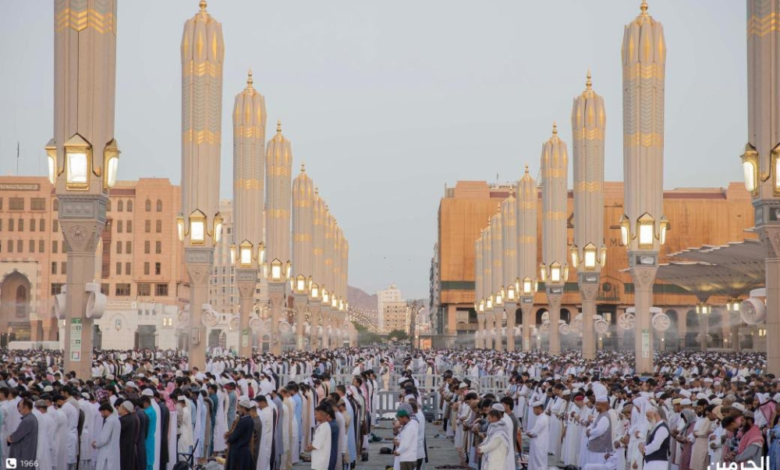

مع غروب شمس اليوم الثالث عشر من شهر ذي الحجة، يسدل الستار على آخر أيام التشريق، خاتماً بذلك رحلة إيمانية فريدة أداها ملايين المسلمين من شتى بقاع الأرض. فبعد أن قضوا أياماً في مشعر منى عامرة بالذكر والدعاء ورمي الجمرات، بدأت جموع حجاج بيت الله الحرام رحلة الوداع للمشاعر المقدسة، حاملين في قلوبهم مزيجاً من الفرح بإتمام الركن الخامس من أركان الإسلام، والشوق والحنين لهذه البقاع الطاهرة.
خلفية تاريخية ومناسك الحج الختامية
يُعد الحج ركناً أساسياً في الإسلام، فرضه الله على كل مسلم بالغ قادر مرة واحدة في العمر، وهو رحلة تعود جذورها إلى عهد النبي إبراهيم عليه السلام. وتبلغ هذه الرحلة ذروتها في أيام التشريق، وهي الأيام الثلاثة التي تلي يوم عيد الأضحى (يوم النحر). خلال هذه الأيام، يبيت الحجاج في منى ويقومون برمي الجمرات الثلاث (الصغرى والوسطى والكبرى)، اقتداءً بسنة النبي محمد صلى الله عليه وسلم. ومع انتهاء اليوم الثالث عشر، يكون الحجاج المتعجلون قد غادروا منى في اليوم الثاني عشر، بينما يكمل المتمون مناسكهم بالرمي في اليوم الأخير قبل التوجه إلى مكة المكرمة.
طواف الوداع: آخر العهد بالبيت العتيق
بعد الفراغ من رمي الجمرات، تبدأ أفواج الحجيج بالتوافد على المسجد الحرام في مكة المكرمة لأداء آخر مناسك الحج وهو “طواف الوداع”. يمثل هذا الطواف آخر عهد للحاج بالبيت العتيق، حيث يطوف سبعة أشواط حول الكعبة المشرفة، في مشهد مهيب تمتزج فيه دموع الفرح بإتمام النسك مع لوعة الفراق. وتشهد أروقة وصحن المطاف في الحرم المكي حشوداً هائلة تلهج ألسنتها بالدعاء والاستغفار، سائلين الله القبول والغفران. وقد عملت السلطات السعودية على تنظيم حركة الحشود بفضل خطط تشغيلية متكاملة تضمن انسيابية الحركة وسهولة أداء الطواف في أجواء آمنة ومطمئنة.
الأهمية والتأثير: من مكة إلى العالم
لا يقتصر تأثير الحج على الجانب الروحي الفردي، بل يمتد ليشكل حدثاً عالمياً ذا أبعاد متعددة. على الصعيد المحلي، يمثل نجاح تنظيم الحج شهادة على القدرات اللوجستية والأمنية الهائلة للمملكة العربية السعودية في إدارة أكبر تجمع بشري سنوي في العالم. وعلى الصعيدين الإقليمي والدولي، يعزز الحج روابط الأخوة والوحدة بين المسلمين من مختلف الجنسيات والثقافات، حيث يعود الحجاج إلى أوطانهم محملين بقيم السلام والتسامح والتجربة الروحانية العميقة، ليصبحوا سفراء لهذه القيم في مجتمعاتهم.
المدينة المنورة: المحطة التالية في الرحلة الإيمانية
بعد إتمام مناسك الحج، لا تنتهي الرحلة الإيمانية للكثيرين، حيث تشد أعداد كبيرة من ضيوف الرحمن رحالها إلى المدينة المنورة. يتوجه الحجاج إلى هناك لزيارة المسجد النبوي الشريف، ثاني أقدس المساجد في الإسلام، وللتشرف بالسلام على النبي محمد صلى الله عليه وسلم وصاحبيه أبي بكر وعمر رضي الله عنهما. وتستعد المدينة المنورة بكامل طاقتها لاستقبال هذه الجموع، حيث كثفت الجهات المعنية خدماتها الميدانية والتنظيمية في المنطقة المركزية المحيطة بالمسجد النبوي، لتشمل خدمات الإرشاد وإدارة الحشود والرعاية الصحية والنقل، بهدف توفير تجربة مريحة وآمنة للزوار خلال فترة إقامتهم، ليكملوا رحلتهم الإيمانية بزيارة المعالم الإسلامية والتاريخية المرتبطة بالسيرة النبوية العطرة.