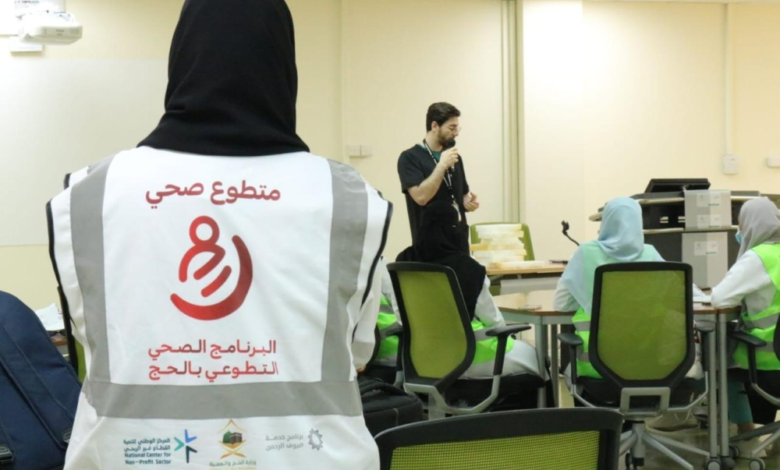

في قلب المشاعر المقدسة، حيث تتلاقى الأرواح من كل فج عميق، تتجلى أسمى صور العطاء من خلال جهود شباب وشابات نذروا أنفسهم لـ مساعدة ضيوف الرحمن. يبرز “البرنامج الصحي التطوعي في الحج” بنسخته الثامنة عشرة كنموذج ملهم لهذا العطاء، حيث عاش 710 متطوعين تجربة ثرية في خدمة الحجيج، نظمتها الجمعية الخيرية للرعاية الصحية الأولية (درهم وقاية) تحت إشراف وزارتي الصحة والحج والعمرة والتجمع الصحي في مكة المكرمة.
وقدّم المتطوعون، الذين يمثلون مختلف الجامعات والكليات الصحية في المملكة، خدمات إسعافية ورعاية صحية عبر 115 فرقة ميدانية انتشرت في المواقع الحيوية بالمشاعر المقدسة، حاملين معهم ليس فقط المعدات الطبية، بل قلوبًا تنبض بالإنسانية ورغبة صادقة في نيل الأجر وخدمة قاصدي بيت الله الحرام.
جهود راسخة لخدمة الحجيج: إرث يتجدد مع رؤية 2030
تعتبر خدمة حجاج بيت الله الحرام إرثًا تاريخيًا تفخر به المملكة العربية السعودية، وقد تطورت هذه الخدمة عبر العقود من جهود فردية ومجتمعية إلى منظومة متكاملة تشرف عليها الدولة لضمان توفير أرقى مستويات الرعاية. وفي هذا السياق، يأتي العمل التطوعي كأحد الركائز الأساسية التي تدعم هذه المنظومة، خاصة في القطاع الصحي الذي يواجه تحديات كبيرة خلال موسم الحج.
وتنسجم هذه المبادرات التطوعية بشكل مباشر مع مستهدفات رؤية المملكة 2030، التي تهدف إلى زيادة أعداد المتطوعين في المملكة وتعزيز ثقافة العمل التطوعي كجزء من المسؤولية المجتمعية. كما تسهم هذه الجهود في تحقيق هدف الرؤية الأسمى المتمثل في تحسين تجربة الحجاج والمعتمرين، وتوفير بيئة آمنة وصحية لهم لأداء مناسكهم بيسر وطمأنينة.
قصص إنسانية من قلب المشاعر المقدسة
خلف الأرقام والإحصائيات، تكمن قصص إنسانية مؤثرة تبرز المعدن الأصيل لهؤلاء المتطوعين. يروي المتطوع عبدالمجيد الشامي، طالب الطب بجامعة أم القرى، قصة لا ينساها حين صادف حاجةً منهكة على جسر الجمرات تعاني من الإجهاد الحراري. يقول: “قمت بإسعافها ورش الماء عليها للتخفيف من حرارة جسدها، فما كان منها إلا أن رفعت يديها تدعو لي بدعوات صادقة لا تزال ترن في مسمعي حتى اليوم”. ويؤكد الشامي أن العطاء ليس مرتبطًا بالمال دائمًا، بل إن أسمى صوره تكمن في خدمة الآخرين.
من جانبه، يصف عبدالمجيد آل مشلوي، طالب الطب والجراحة بجامعة الملك خالد، شعوره بالفخر والسعادة الغامرة حين تم قبوله في البرنامج. ويتذكر موقفًا مع حاجة كانت تعاني من إرهاق شديد، ليكتشف بعد سؤالها أنها لم تتناول أي طعام منذ الصباح. يقول: “فورًا أحضرت لها وجبة، وما إن تناولتها حتى تبدل حالها وعادت إليها عافيتها. أدركت حينها أن ليس كل إعياء في الحج سببه مرض، وأن الاهتمام بأبسط التفاصيل قد ينقذ حياة”.
أثر يتجاوز الحدود: بصمة إنسانية في مساعدة ضيوف الرحمن
لا يقتصر تأثير هذه الجهود التطوعية على تقديم الرعاية الصحية المباشرة، بل يمتد ليترك بصمة إنسانية عميقة لدى الحجاج القادمين من مختلف أنحاء العالم. هذه المواقف الإنسانية تعكس الصورة المشرقة للمملكة وشبابها، وتجسد قيم الكرم والرحمة التي حث عليها الدين الإسلامي. إن **مساعدة ضيوف الرحمن** بهذه الطريقة تساهم في تعزيز الروابط الإنسانية بين الشعوب، حيث يعود الحجاج إلى بلادهم حاملين ذكريات لا تُنسى عن الرعاية والاهتمام الذي وجدوه.
وعلى الصعيد المحلي، تمنح هذه التجارب المتطوعين خبرات عملية لا تقدر بثمن، حيث يتعلمون العمل تحت الضغط، وصقل مهارات التواصل مع ثقافات متعددة، وتنمية حس المسؤولية، مما يؤهلهم ليكونوا كوادر صحية متميزة في المستقبل، قادرة على خدمة وطنها بكفاءة وإنسانية.
بدورها، تؤكد المتطوعة هيفاء زمزمي، المتخصصة في العلاج الطبيعي، أن تكرارها للتجربة لأربع سنوات متتالية ينبع من البيئة الداعمة التي يوفرها البرنامج، والتي تحفز على العطاء. وتشاركها الرأي نوف الجهني، طالبة الأشعة، التي عاشت لحظات لا تُنسى وهي تستمع لدعوات الحجاج بمختلف لغاتهم، مؤكدة أن هذه الدعوات تخفف كل تعب ومشقة.