Yemen: Drug smuggling networks and the Houthis... Facts revealed by Colonel Osama al-Assad

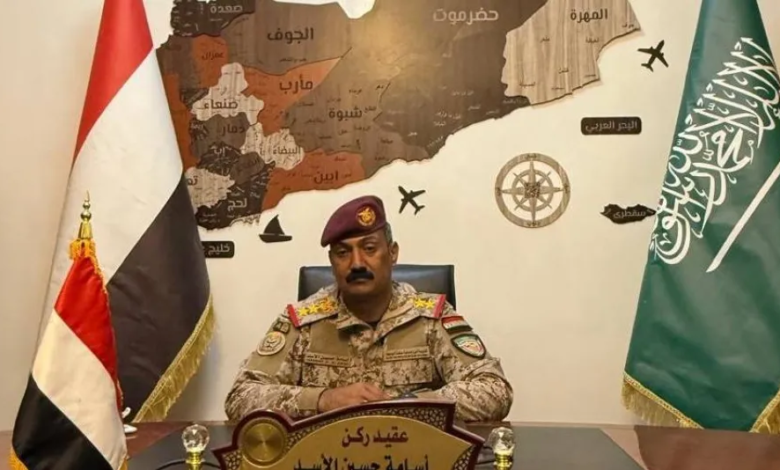
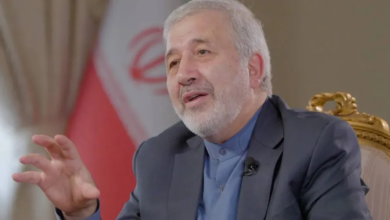
In significant statements shedding light on the intricacies of Yemen's war economy, Colonel Osama al-Assad revealed to the Asharq Al-Awsat newspaper precise intelligence confirming the involvement of the Houthi group's so-called "Preventive Security" apparatus in managing organized drug smuggling networks. These statements corroborate growing reports that the illicit drug trade has become a major lifeline for the militias, funding their ongoing military operations.
The hidden role of Houthi preventive security
Colonel al-Assad explained that smuggling operations are no longer the work of isolated gangs, but have transformed into an institutionalized operation overseen by senior leaders within the Houthi Preventive Security apparatus. This apparatus is considered one of the most secretive and influential security agencies within the group's organizational structure, responsible for internal oversight and intelligence. According to reports, this agency provides logistical and security protection for smugglers, facilitating the passage of shipments through security checkpoints and border crossings controlled by the group, ultimately leading to attempts to smuggle them into neighboring countries.
General context and evolution of smuggling methods
To understand the dimensions of this event, one must consider the historical context of the conflict in Yemen, where the collapse of state institutions and border control since 2014 has created a fertile ground for illicit activities. Previous reports by UN Panels of Experts have indicated that Yemen’s extensive coastline and interconnected land crossings have become preferred routes for arms and drug smuggling. Networks linked to the Houthis exploit ports that are not subject to strict controls to receive drug shipments, often originating from external sources, for storage and subsequent redistribution.
Economic dimensions and their impact on the war
The danger of this information lies in its economic dimension; estimates indicate that the proceeds from the drug trade provide the Houthi group with enormous financial liquidity, enabling it to circumvent international sanctions, buy tribal loyalties, and pay its fighters. This trade has become a key component of the "shadow economy" that fuels the war, prolonging the conflict and exacerbating the humanitarian suffering of the Yemeni people.
Regional and international impact
The danger posed by these networks is not limited to Yemen; it extends to constitute a direct security threat to neighboring countries, particularly Saudi Arabia and the Gulf states, which are the target markets for these drugs. The Combined Maritime Forces (CMF), along with the Yemeni and Saudi coast guards, have successfully intercepted dozens of shipments of narcotics (such as hashish, Captagon, and crystal meth) in the Arabian Sea and the Red Sea in recent years, underscoring the massive influx of these substances and the attempts to flood the region with them to destabilize its social and security landscape.