
Greece raises minimum wage and announces economic support package
In a strategic move aimed at protecting citizens from the global economic fallout, Greek Prime Minister Kyriakos Mitsotakis announced a series of urgent economic measures. This came during his weekly address, where he focused on the need to mitigate the negative impact of the ongoing conflict in the Middle East on domestic price levels and inflation rates in the country.
Details of the wage increase and financial support package
Mitsotakis confirmed the government's decision to raise the minimum wage from €880 to €920, a move that will apply to workers in both the public and private sectors. This increase is part of the Greek government's commitment to improving living standards and boosting citizens' purchasing power in the face of rising costs.
In addition to the wage increase, the government unveiled a €300 million financial package. This package includes targeted subsidies for low-income families, covering fuel prices, basic supermarket items, and agricultural fertilizers, as well as discounts on ferry tickets. Additional financial support has also been allocated for families with children to ensure a comprehensive social safety net.
FuelPass platform to address the energy crisis
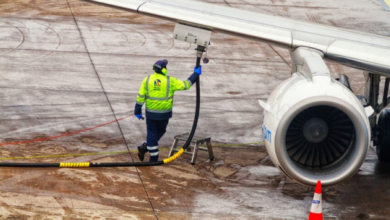
In the context of direct financial support, the Greek Prime Minister outlined plans to launch the “Fuel Pass” online platform. Mitsotakis stated, “We hope that the Fuel Pass platform will be operational by next week, allowing households to apply for financial assistance to offset the increased costs of fuel prices.” This move reflects a swift response to the volatility in global energy markets, which have been heavily impacted by geopolitical tensions.
The historical and economic context of Greece
These decisions take on greater significance when considering the historical context of the Greek economy. For years, Greece suffered from a crippling sovereign debt crisis that forced it to implement strict austerity measures. Since exiting its financial bailout programs, Athens has been striving to boost economic growth and reduce unemployment. The successive increases in the minimum wage are a strong indicator of the Greek economy's recovery and return to a path of stability, with the government aiming to raise the minimum wage even further by 2027.
The impact of the Middle East crisis on the European economy
Greek actions cannot be separated from the broader global context. The ongoing conflict in the Middle East, particularly the tensions in the Red Sea that have disrupted shipping and supply chains, has led to higher shipping costs and energy prices. As a major gateway for maritime trade in Europe, Greece is directly affected by these disruptions, prompting the government to take proactive measures to curb imported inflation and protect domestic consumers.
Strengthening defense capabilities in light of regional tensions
Mitsotakis's announcements were not limited to the economic sphere; they extended to national security as well. The Prime Minister outlined ambitious plans to modernize national defense with a substantial budget of nearly €4 billion. This budget includes strategic deals to purchase advanced warships and modern fighter jets.
This move comes as part of Greece's commitment to modernizing its armed forces to maintain the balance of power in the Eastern Mediterranean and strengthen its role as an active member of NATO. The investment in defense reflects Athens' awareness of the scale of the security challenges in the region and underscores its pursuit of protecting its sovereignty and strategic interests while simultaneously achieving economic stability.