
تحذير أممي من أزمة غذائية عالمية وشيكة
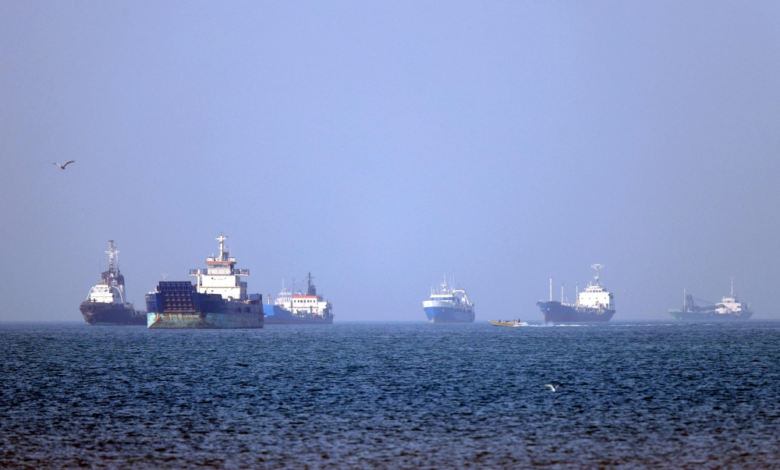
أطلقت منظمة الأغذية والزراعة للأمم المتحدة (الفاو) تحذيراً شديد اللهجة بشأن التداعيات الخطيرة التي قد تترتب على إغلاق مضيق هرمز لفترات طويلة. وأكدت المنظمة أن هذا الإجراء يُنذر بحدوث صدمة هيكلية عنيفة في قطاع الأغذية الزراعية على مستوى العالم، مما قد يُفضي إلى اندلاع أزمة غذائية عالمية حادة وارتفاع غير مسبوق في الأسعار خلال فترة تتراوح بين 6 إلى 12 شهراً.
الأهمية الاستراتيجية لمضيق هرمز والخلفية التاريخية
يُعد مضيق هرمز أحد أهم الممرات المائية الاستراتيجية في العالم، حيث يربط بين الخليج العربي وخليج عمان وبحر العرب. تاريخياً، يُعتبر هذا المضيق الشريان الرئيسي لتدفق إمدادات الطاقة العالمية، حيث يمر عبره نحو خُمس استهلاك العالم من النفط. وتكمن الخطورة في أن أي تعطل لحركة الملاحة في هذا الممر لا يؤثر فقط على أسواق الطاقة، بل يمتد تأثيره المباشر إلى الأمن الغذائي العالمي. فالزراعة الحديثة تعتمد بشكل وثيق على الطاقة، سواء في تشغيل الآلات، أو النقل، أو الأهم من ذلك، في إنتاج الأسمدة الزراعية التي تعتمد بشكل أساسي على الغاز الطبيعي والمشتقات النفطية.
التأثير المتتابع: من الطاقة إلى مائدة الطعام
أوضحت “الفاو” أن الآثار السلبية لهذه الصدمة لن تظهر دفعة واحدة، بل ستمتد على مراحل متتالية ومترابطة. تبدأ الأزمة بارتفاع أسعار الطاقة، مما يؤدي تلقائياً إلى زيادة تكاليف إنتاج الأسمدة والبذور. هذا الارتفاع في مدخلات الإنتاج سيجبر المزارعين على تقليل استخدام الأسمدة، مما يسفر في النهاية عن انخفاض حاد في المحاصيل الزراعية. ومع تراجع المعروض، سترتفع أسعار السلع الأساسية، لتنتهي السلسلة بموجة قاسية من التضخم الغذائي تضرب الأسواق المحلية والإقليمية والدولية، وتؤثر بشكل خاص على الدول النامية المعتمدة على الاستيراد.
تفاقم الأزمة مع ظاهرة “النينيو” المناخية
وما يزيد من قتامة المشهد، هو تزامن هذه التهديدات الجيوسياسية مع تحديات مناخية قاهرة. فقد حذرت التقارير من أن الوضع قد يتفاقم بشكل خطير مع وصول ظاهرة “النينيو” المناخية. ومن المتوقع أن تتسبب هذه الظاهرة في موجات جفاف قاسية وتخل بتوازن أنماط هطول الأمطار ودرجات الحرارة في مناطق زراعية رئيسية حول العالم، مما يضعف قدرة العالم على تعويض أي نقص محتمل في الإمدادات الغذائية.
توصيات “الفاو” لتجنب الكارثة
وشددت منظمة الفاو على أن نافذة الوقت المتاح لاتخاذ إجراءات استباقية تتقلص بسرعة كبيرة. وأشارت إلى أن القرارات التي يتخذها المزارعون والحكومات في الوقت الراهن بشأن استخدام الأسمدة، وإدارة الواردات، وتوفير التمويل، ستكون حاسمة في تحديد مسار الأزمة. ولتجنب هذه الكارثة المحتملة، أوصت المنظمة باتخاذ حزمة من التدابير العاجلة، أبرزها:
- العمل الفوري على إنشاء طرق تجارية بديلة لضمان استمرار سلاسل الإمداد.
- ضبط القيود المفروضة على الصادرات الغذائية لمنع تفاقم النقص في الأسواق.
- توفير الحماية الكاملة لتدفقات المساعدات الإنسانية للدول الأكثر ضعفاً.
- تكوين احتياطيات استراتيجية قوية لاحتواء الارتفاع المفاجئ في تكاليف النقل والشحن.
إن تضافر هذه الجهود على المستويين الإقليمي والدولي بات ضرورة ملحة لضمان استقرار الأسواق وحماية ملايين البشر من خطر الجوع وانعدام الأمن الغذائي في ظل هذه التحديات المعقدة.