
مقدمة: تصاعد التوترات بين القاهرة وتل أبيب
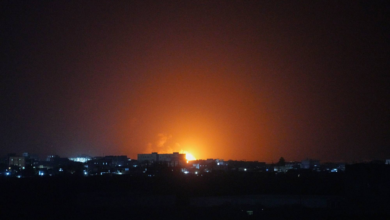
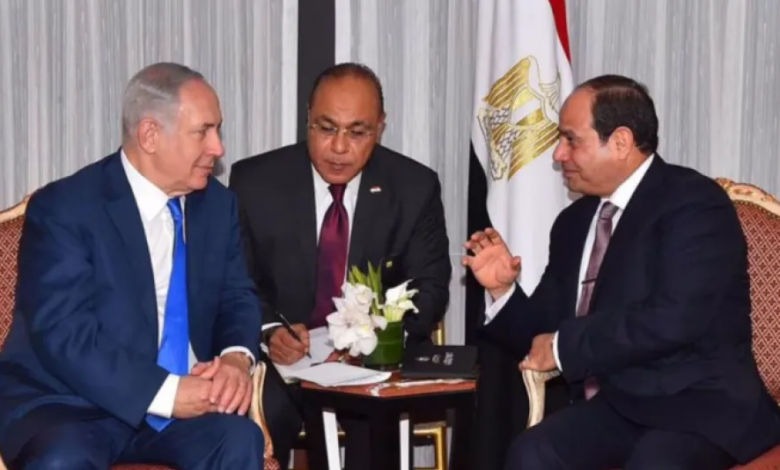
تشهد العلاقات المصرية الإسرائيلية في الوقت الراهن منعطفاً حاسماً وتوترات غير مسبوقة منذ توقيع معاهدة السلام بين البلدين. يأتي هذا التصعيد الدبلوماسي والسياسي في أعقاب إقرار مصري رسمي بتضرر القاهرة من التداعيات المستمرة للحرب الإسرائيلية على قطاع غزة، سواء على الصعيد الأمني أو الاقتصادي. ومع استمرار العمليات العسكرية الإسرائيلية بالقرب من الحدود المصرية، وتحديداً في مدينة رفح الفلسطينية والسيطرة على محور فيلادلفيا (صلاح الدين)، تتزايد التساؤلات حول مستقبل هذه العلاقات وما إذا كانت قد باتت بالفعل على المحك.
الخلفية التاريخية: معاهدة السلام ومحور فيلادلفيا
لفهم طبيعة الأزمة الحالية، يجب العودة إلى الجذور التاريخية للعلاقات بين القاهرة وتل أبيب. أُسست هذه العلاقات على معاهدة السلام الموقعة عام 1979 في كامب ديفيد، والتي أنهت عقوداً من الصراع المسلح بين البلدين. تضمنت المعاهدة ملاحق أمنية دقيقة تحدد حجم ونوعية القوات العسكرية المسموح بتواجدها في شبه جزيرة سيناء وعلى طول الحدود. وفي عام 2005، ومع انسحاب إسرائيل من قطاع غزة، تم توقيع اتفاق فيلادلفيا الذي سمح بنشر قوات حرس حدود مصرية على طول الشريط الحدودي لمنع التهريب وضبط الأمن. لطالما اعتبرت مصر أي مساس بهذه الترتيبات الأمنية خطاً أحمر يهدد الأمن القومي المصري، وهو ما يفسر حدة الرفض المصري للتحركات الإسرائيلية الأخيرة في هذا المحور الاستراتيجي.
طبيعة الأضرار التي لحقت بمصر أمنياً واقتصادياً
لم يقتصر الضرر الذي أقرّت به مصر على الجانب الأمني والسياسي المتمثل في التواجد العسكري الإسرائيلي على الجانب الفلسطيني من معبر رفح، بل امتد ليشمل أضراراً اقتصادية بالغة. فقد تأثرت إيرادات قناة السويس بشكل حاد نتيجة التوترات في البحر الأحمر وهجمات الحوثيين التي جاءت كرد فعل على الحرب في غزة. هذا التراجع في عائدات أحد أهم مصادر العملة الصعبة لمصر يمثل ضغطاً اقتصادياً هائلاً على القاهرة. بالإضافة إلى ذلك، فإن استمرار العمليات العسكرية يفاقم من الأزمة الإنسانية ويزيد من مخاوف التهجير القسري للفلسطينيين نحو سيناء، وهو سيناريو رفضته القيادة المصرية مراراً وتكراراً واعتبرته تصفية للقضية الفلسطينية وتهديداً مباشراً للسيادة المصرية.
التداعيات الإقليمية والدولية للأزمة
تحمل هذه التوترات تداعيات واسعة النطاق تتجاوز الحدود الثنائية. على المستوى الإقليمي، تلعب مصر دوراً محورياً كوسيط رئيسي، إلى جانب دولة قطر والولايات المتحدة، في مفاوضات وقف إطلاق النار وتبادل الأسرى بين حركة حماس وإسرائيل. أي تدهور في العلاقات المصرية الإسرائيلية ينعكس سلباً على فرص نجاح هذه الوساطة، مما يطيل أمد الصراع ويزيد من احتمالات توسعه ليشمل جبهات أخرى في الشرق الأوسط. على المستوى الدولي، تشعر الإدارة الأمريكية بقلق بالغ إزاء هذا التوتر، وتسعى جاهدة لاحتواء الموقف عبر قنوات دبلوماسية مكثفة، نظراً لأن استقرار العلاقات المصرية الإسرائيلية يُعد ركيزة أساسية للأمن الإقليمي في الاستراتيجية الأمريكية.
مستقبل العلاقات: هل نصل إلى نقطة اللاعودة؟
رغم حدة التصريحات والتوترات الميدانية، يرى العديد من الخبراء والمحللين الاستراتيجيين أن العلاقات بين القاهرة وتل أبيب، رغم كونها تمر بأسوأ أزماتها، قد لا تصل إلى حد القطيعة التامة أو إلغاء معاهدة السلام. فكلا البلدين يدرك الأهمية الاستراتيجية للحفاظ على الحد الأدنى من التنسيق الأمني وتجنب الانزلاق نحو مواجهة مباشرة. ومع ذلك، فإن العلاقات قد تشهد حالة من الجمود الدبلوماسي الطويل، مع احتمال تخفيض مستوى التمثيل الدبلوماسي أو تجميد بعض الاتفاقيات الثنائية كأوراق ضغط. في النهاية، سيبقى مسار هذه العلاقات مرهوناً بمدى استجابة إسرائيل للمخاوف المصرية، وتطورات الأوضاع الميدانية في قطاع غزة خلال المرحلة المقبلة.