
In modern warfare, the focus is no longer solely on who fires the first missile or wins the military battle. The more pressing question has become: who will foot the economic bill later? With escalating geopolitical tensions and confrontations between Iran, the United States, and Israel, the devastating impact extends far beyond the immediate battlefields, striking at the heart of the global economy. Losses today are measured not only by the scale of physical destruction but also by the enormous financial burden placed on nations and peoples worldwide.
Historical context: The economy is a victim of conflicts
Historically, major crises have demonstrated that economics and politics are two sides of the same coin. From the oil crisis of the 1970s, through numerous regional conflicts, to current tensions, the global economy has consistently been the primary casualty. This historical context underscores that any military escalation in strategic regions like the Middle East immediately triggers ripple effects on financial and commercial markets across every continent, reshaping economic alliances and imposing a new reality on trade.
Soaring oil prices and the energy crisis
With every barrel of oil taken off the market or threatened in its transport routes, prices rise and inflation surges across economies. Energy resources are no longer mere commodities; they have become strategic tools of pressure that reshape the global balance of power. Shipment delays and supply disruptions, particularly in vital shipping lanes like the Red Sea, push markets into a state of cautious anticipation, directly impacting the stability of global trade and driving up production and transportation costs.
A global economy teetering between recession and inflation
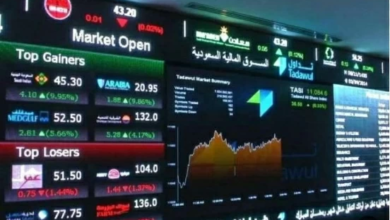
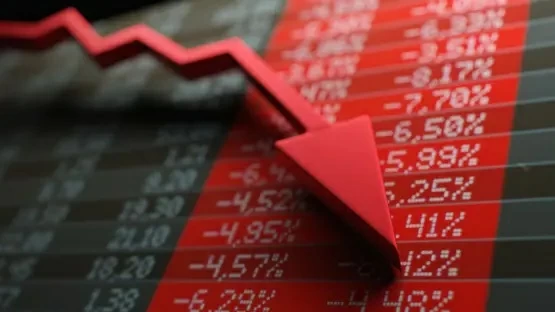
Financial markets clearly reflect the escalating anxiety. Today, we are witnessing sharp fluctuations in currency prices and a marked decline in investor risk appetite, leading to a flight of capital to safe havens such as gold and the US dollar. Economic growth indicators are under increasing pressure, while the cost of living is rising in many countries. This situation places the global economy on the brink of a very difficult and complex equation: how to avoid recession while controlling high inflation rates.
Global supply chain crisis
Global supply chains are no longer able to absorb successive shocks as they once did. Shipping and insurance costs are skyrocketing to unprecedented levels, and every delay in the arrival of essential goods is immediately and directly reflected in final consumer prices. Major companies are forced to reassess their strategies and seek more expensive routes and alternatives, a scenario that clearly reflects the fragility of the global trading system in the face of successive geopolitical crises.
Food security: the next danger zone
The greatest danger is quietly creeping onto food tables around the world. Disruptions in the supply of fertilizers and essential agricultural inputs, coupled with rising shipping costs, inevitably mean lower agricultural production and higher prices. This situation is exacerbating the pressures on developing and more vulnerable countries. A global food crisis is no longer a distant possibility; it has become a real scenario that draws closer with every new military escalation.
Expected impacts: locally, regionally, and internationally
Regionally, these tensions are leading to a decline in foreign direct investment and a slowdown in development plans and major projects. Internationally, the continuation of the conflict threatens to lower global GDP growth forecasts and is prompting central banks to adopt tighter monetary policies. Domestically, ordinary citizens are directly confronted with eroding purchasing power and rising prices for basic commodities.
In this undeclared economic war, there are no clear front lines or traditional lines of contact. It is a cross-border confrontation, its weapon is the economy, and its consequences reach every home. While the battles rage on the ground, a hefty global bill is mounting in the background, one that everyone will pay for without exception.