
رصد التربيع الأول لقمر شوال في الحدود الشمالية
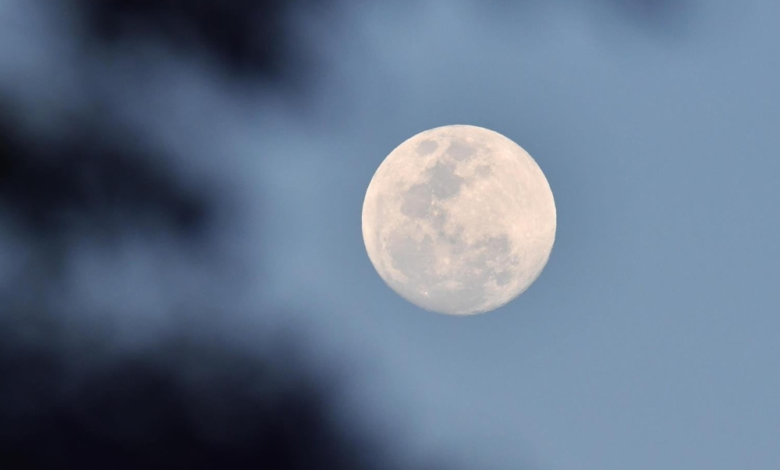
في مشهد فلكي بديع لفت أنظار المهتمين وهواة التصوير الفلكي، تم رصد التربيع الأول لقمر شوال لعام 1447هـ في سماء منطقة الحدود الشمالية مساء يوم الأربعاء. وتعد هذه الظاهرة من أجمل الأحداث الفلكية الشهرية التي تتيح للمراقبين فرصة استثنائية لتأمل تفاصيل سطح القمر بوضوح تام، سواء بالعين المجردة أو من خلال استخدام التلسكوبات والمناظير الفلكية المتقدمة.
ما هو طور التربيع الأول؟
يُعد طور التربيع الأول أحد الأطوار الرئيسية والمهمة في الدورة الشهرية للقمر. في هذه المرحلة، يظهر نصف القمر مضاءً تماماً بنور الشمس، بينما يبقى النصف الآخر في ظلام. ويحدث هذا نتيجة لوقوع القمر بزاوية قائمة تقريباً (90 درجة) بين كوكب الأرض والشمس. هذا التموضع الهندسي الدقيق يجعل القمر بارزاً وعاليًا في قبة السماء مع بداية الليل، ويمثل مرحلة انتقالية هامة حيث يزداد الجزء المضاء تدريجياً يوماً بعد يوم وصولاً إلى طور البدر المكتمل.
أهمية رصد القمر في الثقافة الإسلامية والتاريخية
يحمل رصد أطوار القمر أهمية بالغة في السياق التاريخي والثقافي، خاصة في العالم الإسلامي. فالتقويم الهجري يعتمد بشكل كلي على حركة القمر وأطواره لتحديد بدايات ونهايات الأشهر الهجرية. وشهر شوال يحظى بمكانة خاصة لارتباط بدايته بعيد الفطر المبارك. تاريخياً، برع العرب والمسلمون في علم الفلك، واستخدموا المراصد لتتبع حركة الأجرام السماوية، مما ساهم في تطوير علوم الرياضيات والملاحة البحرية التي تعتمد على مواقع النجوم وأطوار القمر لمعرفة الاتجاهات وحركة المد والجزر.
التأثير المحلي والإقليمي: سياحة الفلك في السعودية
على المستوى المحلي، تبرز منطقة الحدود الشمالية كواحدة من المناطق الجغرافية المميزة في المملكة العربية السعودية التي تتمتع بصفاء أجوائها في أوقات كثيرة من العام، وقلة التلوث الضوئي في أطرافها المترامية. هذا الأمر يجعلها وجهة مثالية لهواة الفلك والسياحة الفلكية. إن رصد التربيع الأول لقمر شوال يعزز من الوعي العلمي لدى الشباب والمجتمع المحلي، ويشجع على إقامة الفعاليات الفلكية التي تستقطب الزوار من داخل المملكة وخارجها، مما يتماشى مع مستهدفات رؤية السعودية 2030 في تنويع مصادر السياحة ودعم الأنشطة العلمية والثقافية.
لماذا يفضل الفلكيون طور التربيع الأول؟
من الناحية العلمية والتقنية، يُجمع علماء الفلك وهواة التصوير الفلكي على أن طور التربيع الأول هو الوقت الأفضل على الإطلاق لرصد وتصوير تضاريس القمر. السبب في ذلك يعود إلى ما يُعرف بـ “الخط الفاصل” (Terminator)، وهو الخط الذي يفصل بين الجزء المضيء والجزء المظلم من سطح القمر. في هذه المنطقة، تكون أشعة الشمس مائلة جداً، مما يؤدي إلى إلقاء ظلال طويلة وواضحة للفوهات النيزكية، والجبال القمرية، والوديان. هذا التباين الشديد في الإضاءة يبرز التفاصيل الطبوغرافية بشكل لا يمكن رؤيته خلال طور البدر، حيث تكون أشعة الشمس عمودية وتختفي الظلال تماماً.
في الختام، يبقى رصد التربيع الأول لقمر شوال في سماء الحدود الشمالية تذكيراً بجمال ودقة النظام الكوني، ودعوة مفتوحة للتأمل في خلق الله، وفرصة علمية مستمرة لتعزيز المعرفة الفلكية في المجتمع.