
Iran admits to mistakenly bombing Peshmerga forces in Iraqi Kurdistan
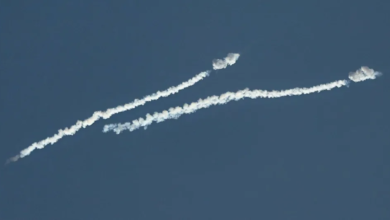
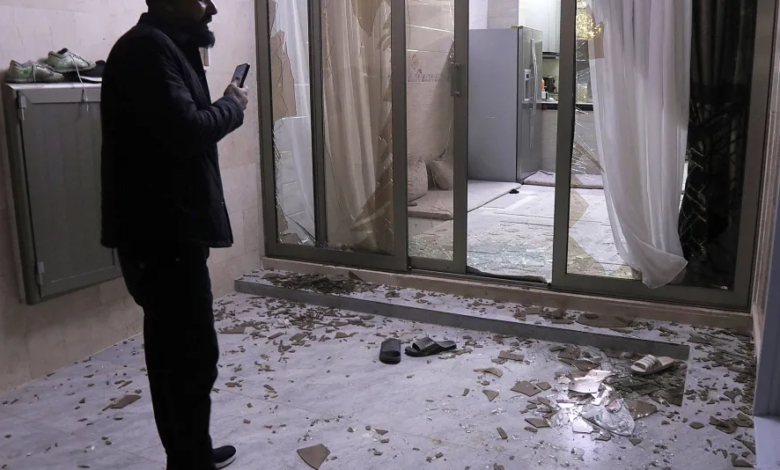
In a significant development in security and political relations between Iraqi Kurdistan and the Islamic Republic of Iran, authorities in the region announced that Tehran has officially acknowledged that the recent shelling of Kurdish Peshmerga positions was "accidental" and not a deliberate attack on the region's regular forces. This announcement comes at a time of intermittent tensions in the border areas due to periodic military operations conducted by Iranian forces.
General context and historical background of the event
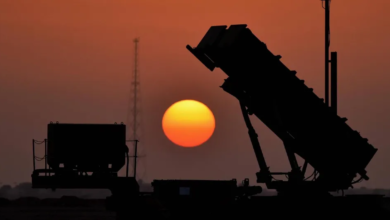
Historically, the border between Iran and Iraqi Kurdistan has been a theater of military operations and security tensions. Tehran frequently launches artillery and missile strikes, as well as uses drones, targeting headquarters and camps belonging to Iranian Kurdish opposition parties located within Iraqi territory. Iran considers these groups a threat to its national security and accuses them of launching armed attacks inside Iranian territory.
However, targeting the Peshmerga forces, the official armed forces of the Kurdistan Region and recognized within the national defense system under the Iraqi constitution, represents a dangerous escalation and differs significantly from targeting opposition groups. Therefore, Iran's swift admission that the incident was unintentional was an attempt to contain the situation and prevent a deterioration in bilateral relations between Erbil and Tehran, which are characterized by intertwined economic and political interests.
The importance of the event and its expected impact locally and regionally
Domestically, this incident highlights the significant security challenges facing both the Kurdistan Regional Government and the federal government in Baghdad in securing the borders and protecting Iraqi sovereignty. The Peshmerga forces played a crucial role in combating terrorism, particularly in defeating ISIS, making any harm inflicted upon them a sensitive issue for Kurdish and Iraqi public opinion in general. Acknowledging the mistake would mitigate public and political anger within the region.
Regionally, this incident highlights the fragility of the security situation along their shared border. Baghdad and Tehran recently sought to sign a joint security agreement aimed at controlling the border, disarming Iranian opposition groups, and removing them from the border area. Iran's admission of error reflects its desire to preserve this security agreement and avoid provoking the Iraqi government, which consistently rejects the use of its territory as a launching pad for attacks against neighboring countries or as an arena for settling regional scores.
International repercussions and diplomatic stance
Internationally, the stability of Iraqi Kurdistan is of great interest to the international community, particularly the United States and European countries, which support the Peshmerga forces and consider them a key partner in maintaining security in the Middle East. Iranian attacks on Iraqi territory are typically met with widespread international condemnation, with the United Nations consistently calling for respect for Iraq's sovereignty and territorial integrity.
In conclusion, Iran's admission of error in the bombing represents a significant diplomatic step toward averting a political crisis with Iraq and the Kurdistan Region. However, the greatest challenge remains finding lasting solutions to prevent the recurrence of such incidents and implementing joint security agreements in a way that preserves Iraq's sovereignty and ensures the security and stability of the border region, free from the language of weapons and military escalation.