
دعوة رئاسية لترشيد استهلاك الكهرباء في إيران
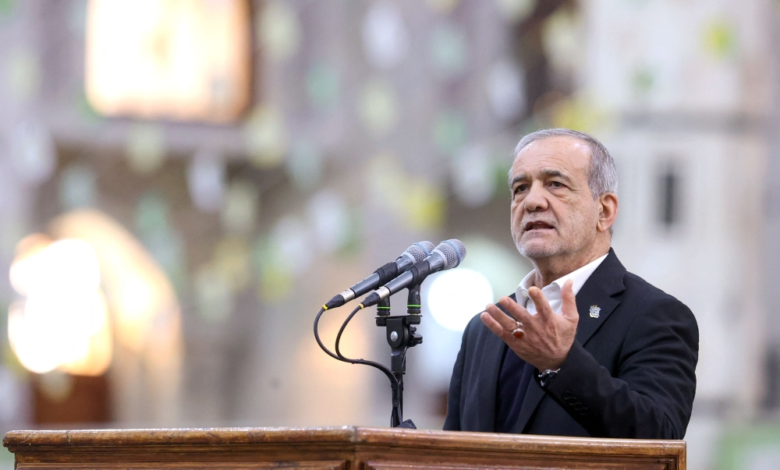
وجه الرئيس الإيراني، مسعود بيزشكيان، دعوة مباشرة للمواطنين الإيرانيين لضرورة ترشيد استهلاك الكهرباء، في خطوة تعكس التحديات المتزايدة التي يواجهها قطاع الطاقة في البلاد. وفي خطاب متلفز، حذر بيزشكيان مما وصفه بـ “مخططات” تقودها الولايات المتحدة وإسرائيل تهدف إلى إثارة “سخط شعبي” من خلال استغلال أي نقص محتمل في الخدمات الأساسية، مؤكداً أنه لا يوجد شح في إمدادات الطاقة حالياً.
وقال بيزشكيان: “نطلب من شعبنا العزيز الجاهز والحاضر في الميدان، طلباً بسيطاً وهو تقليص استهلاكه للكهرباء والطاقة”. وأضاف لتوضيح بساطة الإجراءات المطلوبة: “بدلاً من تشغيل عشرة أضواء، يتعين تشغيل ضوءين في المنزل، ما المشكلة في ذلك؟”. تأتي هذه التصريحات في وقت تشهد فيه إيران بشكل متكرر انقطاعات في التيار الكهربائي خلال فترات ذروة الاستهلاك في فصلي الصيف والشتاء، مما يلقي بظلاله على الحياة اليومية والأنشطة الاقتصادية.
السياق العام: أزمة طاقة في بلد غني بالموارد
تعتبر إيران واحدة من أغنى دول العالم بالموارد الطبيعية، خاصة الغاز الطبيعي الذي تعتمد عليه لتوليد ما يقارب 80% من احتياجاتها من الكهرباء، وفقاً لبيانات وكالة الطاقة الدولية. ومع ذلك، يعاني قطاع الطاقة الإيراني من مشاكل هيكلية عميقة تمتد لعقود. فالبنية التحتية، بما في ذلك محطات التوليد وشبكات النقل، تعاني من التقادم ونقص الصيانة الدورية، مما يقلل من كفاءتها وقدرتها على تلبية الطلب المتزايد.
وتفاقمت هذه المشكلة بسبب العقوبات الدولية المشددة، التي فرضت قيوداً صارمة على وصول إيران إلى التكنولوجيا الحديثة وقطع الغيار الضرورية لتحديث محطاتها، كما أعاقت تدفق الاستثمارات الأجنبية الحيوية لتطوير القطاع. هذا الوضع خلق مفارقة تتمثل في بلد يمتلك احتياطيات هائلة من الطاقة لكنه يكافح لتوفير إمدادات كهربائية مستقرة لمواطنيه.
الأهمية والتأثير المتوقع للأزمة
على الصعيد المحلي، يمثل نقص الكهرباء تحدياً اجتماعياً واقتصادياً كبيراً. فالانقطاعات المتكررة تؤثر سلباً على المصانع والشركات، وتتسبب في خسائر اقتصادية، كما تعطل حياة المواطنين اليومية. وغالباً ما تكون القضايا المعيشية، بما في ذلك نقص الخدمات الأساسية، شرارة للاحتجاجات والسخط الاجتماعي، وهو ما يفسر تحذير الرئيس من “مخططات” خارجية تستهدف استغلال هذا الوضع لتحويل حالة الرضا إلى سخط.
إقليمياً ودولياً، تحد أزمة الطاقة من قدرة إيران على لعب دور أكبر كمصدر للطاقة في المنطقة، على الرغم من إمكانياتها الهائلة. كما أن اتهام أطراف خارجية باستهداف البنية التحتية يندرج ضمن سياق التوتر الجيوسياسي المستمر بين طهران وخصومها، حيث يُنظر إلى استقرار الخدمات الحيوية كجزء من الأمن القومي. وفي ظل هذه الظروف، تبدو دعوة الحكومة لترشيد الاستهلاك حلاً مؤقتاً لمشكلة تتطلب استثمارات ضخمة وإصلاحات هيكلية طويلة الأمد، وهو أمر يصعب تحقيقه في ظل العزلة الدولية والعقوبات الاقتصادية.