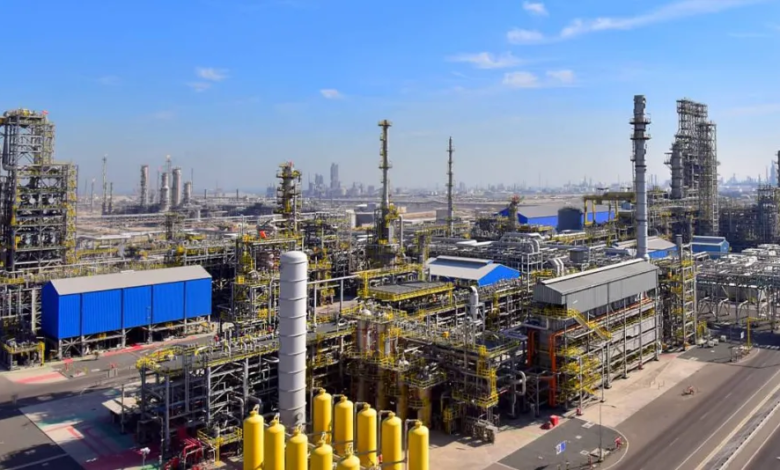

تفاصيل هجمات إيرانية تستهدف منشآت طاقة في الخليج
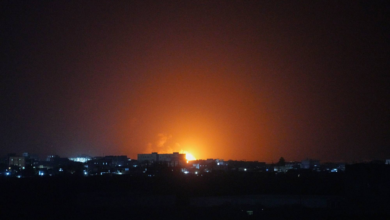
تشهد منطقة الخليج العربي تطورات أمنية بالغة الأهمية إثر تقارير تفيد بوقوع هجمات إيرانية تستهدف منشآت طاقة حيوية في كل من دولة الكويت ودولة الإمارات العربية المتحدة. يمثل هذا الحدث تصعيداً خطيراً يلقي بظلاله على أمن واستقرار المنطقة، ويثير قلقاً دولياً واسعاً نظراً للأهمية الاستراتيجية التي تمثلها هذه المنشآت في ضمان تدفق إمدادات الطاقة إلى الأسواق العالمية.
السياق العام والخلفية التاريخية للتوترات الإقليمية
لم تكن هذه التوترات وليدة اللحظة، بل هي امتداد لتاريخ طويل من التجاذبات الجيوسياسية في منطقة الشرق الأوسط. تاريخياً، تعرضت البنية التحتية للطاقة في الخليج لعدة تهديدات وهجمات مماثلة. على سبيل المثال، في عام 2019، تعرضت ناقلات نفط تجارية لعمليات تخريبية قبالة سواحل إمارة الفجيرة في الإمارات، وهي حوادث أشارت التحقيقات الدولية إلى تورط جهات إقليمية فيها. كما أن الهجمات غير المسبوقة التي استهدفت منشآت شركة أرامكو السعودية في بقيق وخريص باستخدام الطائرات المسيرة والصواريخ، أثبتت مدى هشاشة الأمن الإقليمي أمام الحروب غير المتكافئة. وفي هذا السياق، تحرص الكويت دائماً على رفع مستوى الاستعداد الأمني لحماية حقولها النفطية ومنشآتها الحيوية، خاصة تلك القريبة من الحدود البحرية المشتركة.
الأهمية الاقتصادية وتأثير استهداف منشآت الطاقة
يحمل استهداف منشآت الطاقة في الكويت والإمارات تداعيات اقتصادية عميقة تتجاوز الحدود الإقليمية لتصل إلى الاقتصاد العالمي. تُعد كل من الإمارات والكويت من الأعضاء البارزين والمنتجين الرئيسيين داخل منظمة الدول المصدرة للنفط (أوبك). أي تهديد أو تعطيل لقدراتهما الإنتاجية أو التصديرية يؤدي بشكل مباشر إلى تقلبات حادة في أسعار النفط الخام. تاريخياً، تؤدي مثل هذه الصدمات الجيوسياسية إلى ارتفاع فوري في أسعار الطاقة، مما ينعكس سلباً على معدلات التضخم والنمو الاقتصادي في الدول المستهلكة. بالإضافة إلى ذلك، تساهم هذه الأحداث في رفع تكاليف التأمين على الشحن البحري عبر مضيق هرمز، الذي يمر من خلاله نحو خُمس استهلاك العالم من النفط.
التداعيات الأمنية والدولية على أمن الخليج
على الصعيدين الإقليمي والدولي، تفرض هذه الهجمات واقعاً أمنياً معقداً يتطلب استجابة حازمة. يؤكد المجتمع الدولي باستمرار على أن أمن الخليج وحرية الملاحة البحرية هما خط أحمر لا يمكن تجاوزه. وغالباً ما تدفع هذه التطورات دول مجلس التعاون الخليجي إلى تعزيز منظوماتها الدفاعية، مثل نشر أنظمة الدفاع الجوي المتقدمة، وتكثيف التعاون العسكري والاستخباراتي مع الحلفاء الدوليين. كما تبرز الحاجة الملحة لتوحيد الجهود الدبلوماسية للضغط من أجل خفض التصعيد وضمان عدم انزلاق المنطقة إلى صراع مفتوح يؤثر على استقرار الشرق الأوسط.
خلاصة وتطلعات مستقبلية
في الختام، إن أي هجمات إيرانية أو تهديدات تستهدف البنية التحتية للطاقة في دول الخليج تمثل جرس إنذار للمجتمع الدولي بأسره. إن حماية هذه المنشآت ليست مجرد شأن داخلي، بل هي ضرورة قصوى للحفاظ على استقرار الاقتصاد العالمي، مما يحتم تضافر الجهود الإقليمية والدولية لردع أي تهديدات مستقبلية وضمان أمن واستدامة إمدادات الطاقة العالمية دون انقطاع.