
تفاصيل الهجوم وتداعياته الأولية
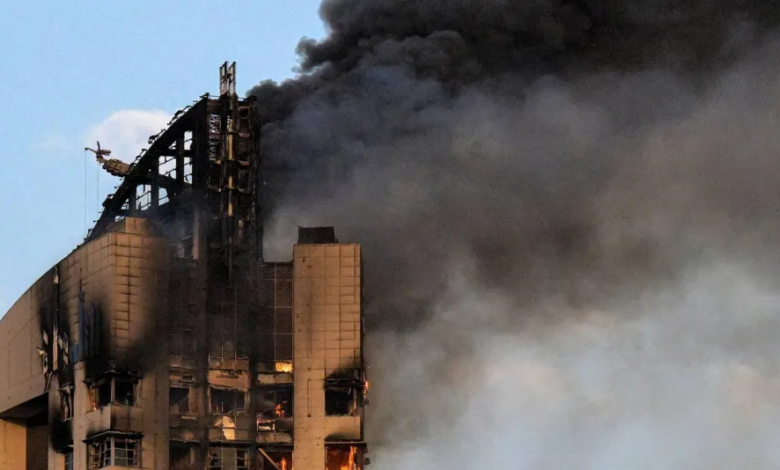
شهدت دولة الكويت تطوراً أمنياً بارزاً تمثل في اندلاع حريق في مجمع نفطي حيوي، بالإضافة إلى تسجيل أضرار مادية في أحد المجمعات الحكومية، وذلك إثر هجوم نفذته طائرات مسيرة (درونز). وقد استنفرت الأجهزة الأمنية وفرق الإطفاء التابعة لقوة الإطفاء العام الكويتية للسيطرة على الحريق ومنع امتداده إلى المنشآت المجاورة، في حين باشرت الجهات المختصة تحقيقاتها الفورية للوقوف على ملابسات الحادث وتحديد مصدر إطلاق المسيرات. يمثل هذا الحدث تصعيداً لافتاً يستدعي تسليط الضوء على أمن المنشآت الحيوية في المنطقة.
السياق التاريخي وأمن الخليج العربي
تأتي هذه الحادثة في سياق إقليمي يتسم بالتوتر المستمر، حيث شهدت منطقة الخليج العربي والشرق الأوسط خلال السنوات الماضية تصاعداً في استخدام الطائرات المسيرة لاستهداف البنى التحتية للطاقة. ولعل أبرز تلك الأحداث الهجمات التي استهدفت منشآت نفطية إقليمية كبرى في عام 2019، والتي أثبتت مدى خطورة هذا النوع من الهجمات غير النمطية على أمن الطاقة العالمي. ورغم أن الكويت لطالما حافظت على استقرارها الأمني الداخلي ونأت بنفسها عن العديد من الصراعات الإقليمية، إلا أن التطور التكنولوجي للطائرات المسيرة بات يشكل تحدياً أمنياً عابراً للحدود، مما يفرض على دول المنطقة تعزيز منظومات الدفاع الجوي والرادارات المبكرة.
الأهمية الاقتصادية والمحلية لقطاع النفط الكويتي
على الصعيد المحلي، تعتبر المنشآت النفطية في الكويت العصب الرئيسي للاقتصاد الوطني، حيث تعتمد البلاد بشكل كبير على العائدات النفطية التي تشكل النسبة الأكبر من الناتج المحلي الإجمالي. وتدير مؤسسة البترول الكويتية وشركاتها التابعة مجمعات تكرير ضخمة تعد ركيزة أساسية للصناعة. إن أي استهداف أو حريق يطال هذه المجمعات النفطية لا يقتصر تأثيره على الخسائر المادية المباشرة فحسب، بل يمتد ليشمل تكاليف إعادة التأهيل، وتعطيل جزئي للعمليات التشغيلية، فضلاً عن الأضرار التي لحقت بالمجمع الحكومي والتي تتطلب تقييماً هندسياً وأمنياً شاملاً لضمان سلامة العاملين والمواطنين.
التأثيرات الإقليمية والدولية على أسواق الطاقة
دولياً وعالمياً، يحمل هذا الهجوم تداعيات اقتصادية بالغة الأهمية. فالكويت عضو فاعل ورئيسي في منظمة الدول المصدرة للنفط (أوبك)، وتنتج ملايين البراميل يومياً لتلبية الطلب العالمي. وعادة ما تتفاعل أسواق النفط العالمية، مثل خام برنت، بحساسية مفرطة تجاه أي تهديد يمس إمدادات الطاقة من منطقة الشرق الأوسط. من المتوقع أن يثير هذا الحادث قلق المستثمرين ويؤدي إلى تقلبات في أسعار النفط، ريثما تتضح الرؤية حول حجم الأضرار وقدرة الكويت على الوفاء بالتزاماتها التصديرية. كما أن المجتمع الدولي ينظر بخطورة بالغة إلى أي تهديد يمس أمن المنشآت النفطية في الخليج، نظراً لارتباطها المباشر باستقرار الاقتصاد العالمي.
خلاصة وتطلعات أمنية
في الختام، يضع هذا الهجوم بالمسيرات على مجمع نفطي ومبنى حكومي في الكويت المنطقة أمام تحديات أمنية متجددة تتطلب تعاوناً استخباراتياً ودفاعياً مشتركاً. كما يؤكد على ضرورة تسريع الخطى نحو تبني تقنيات حديثة لمكافحة الطائرات المسيرة، وتأمين البنية التحتية الحساسة لضمان استمرار تدفق الطاقة إلى الأسواق العالمية بأمان واستقرار تامين.