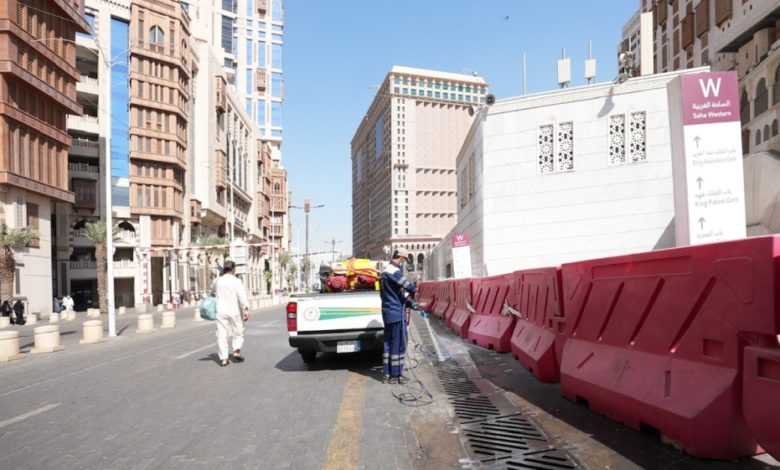

مقدمة عن جهود أمانة العاصمة المقدسة
أعلنت أمانة العاصمة المقدسة عن تحقيق نجاح ملموس في خطتها التشغيلية المكثفة الخاصة بتعزيز الإصحاح البيئي خلال شهر مارس الجاري. وقد تجلى هذا النجاح من خلال تنفيذ الفرق الميدانية المتخصصة لـ 90,092 مهمة تفتيشية وعملية مكافحة في مختلف الأحياء والمواقع المستهدفة داخل مكة المكرمة. تهدف هذه الجهود الجبارة إلى رفع معايير السلامة الصحية والحد من انتشار نواقل الأمراض، مما يعكس الجاهزية العالية والكفاءة التشغيلية للأمانة في متابعة المواقع الحيوية وضمان توفير بيئة آمنة وصحية لسكان وزوار العاصمة المقدسة.
السياق العام وأهمية الإصحاح البيئي في مكة المكرمة
تحظى مكة المكرمة بمكانة دينية وجغرافية استثنائية، حيث تستقبل ملايين المعتمرين والحجاج والزوار سنوياً من شتى بقاع الأرض. هذا التوافد البشري الهائل يجعل من مسألة الصحة العامة والإصحاح البيئي أولوية قصوى لدى حكومة المملكة العربية السعودية، وتندرج هذه الجهود ضمن مستهدفات رؤية السعودية 2030، وتحديداً برنامج جودة الحياة. إن الحفاظ على بيئة خالية من الأوبئة في مكة لا يعد شأناً محلياً فحسب، بل هو صمام أمان للأمن الصحي الإقليمي والدولي، حيث يساهم في منع انتقال الأمراض العابرة للحدود التي قد تنتشر عبر التجمعات البشرية الكبيرة.
تفاصيل الخطة الميدانية لمكافحة نواقل الأمراض
في إطار سعيها لمحاصرة مسببات الأمراض، كثفت الأمانة أعمالها الميدانية بشكل منهجي ومدروس. فقد تم استهداف 43,563 موقعاً بعمليات المكافحة المباشرة. وشملت هذه العمليات تنفيذ 18,831 عملية نوعية لمواجهة بؤر توالد البعوض، وهو من أخطر نواقل الأمراض مثل حمى الضنك. وتضمنت الأعمال أيضاً معالجة 1,543 موقعاً لتجمعات المياه الراكدة، والتي تشكل بيئة خصبة ومثالية لتكاثر الحشرات الضارة إذا لم يتم التعامل معها بشكل فوري وفعال.
معالجة شبكات التصريف ومكافحة القوارض
لم تقتصر الجهود على مكافحة البعوض، بل امتدت لتشمل البنية التحتية، حيث تم تنفيذ 887 عملية معالجة للمناهل ومجاري تصريف السيول لضمان انسيابية التدفقات المائية ومنع التراكمات التي قد تسبب الأوبئة. كما شملت المهام الميدانية معالجة 22,615 بؤرة للحد من تكاثر الذباب في الأحياء السكنية والمرافق العامة، إلى جانب تنفيذ 2,117 عملية متخصصة لمكافحة القوارض في بؤر انتشارها المحتملة، مما يعزز من منظومة الحماية الصحية الشاملة.
التفاعل السريع مع بلاغات المواطنين
تؤمن أمانة العاصمة المقدسة بأهمية الشراكة المجتمعية، وقد أظهرت التقارير الدورية تفاعلاً سريعاً واحترافياً مع نداءات السكان. نجحت الفرق الميدانية في الاستجابة والتعامل مع 536 بلاغاً وارداً خلال نفس الفترة. هذا التجاوب السريع يساهم بشكل مباشر في رفع جودة البيئة الحضرية بشكل ملموس، ويعزز من ثقة المجتمع في الخدمات البلدية المقدمة.
التأثير المحلي والدولي واستدامة الصحة العامة
أكدت أمانة العاصمة المقدسة مضيها قدماً في تنفيذ برامج الإصحاح البيئي وفق جداول زمنية دورية وخطط استراتيجية مدروسة تضمن استدامة النتائج المحققة. وشددت الأمانة على التزامها التام برفع مستوى الرقابة الميدانية والارتقاء بجودة الخدمات البلدية المقدمة، بما يتماشى مع أعلى معايير الجودة العالمية في تحسين الصحة العامة. إن توفير بيئة صحية ومثالية في أطهر البقاع ينعكس إيجاباً على راحة وطمأنينة قاصدي المسجد الحرام، ويبرز قدرة المملكة الفائقة في إدارة الحشود وتوفير أقصى درجات الرعاية الصحية والبيئية لهم.