
مسجد نمرة: أكثر من مجرد مكان للصلاة
في قلب مشعر عرفات، وعلى مقربة من جبل الرحمة، يقف مسجد نمرة شامخاً كأحد أبرز المعالم في رحلة الحج. يكتسب هذا المسجد شهرة فريدة لا تضاهيها شهرة أي مسجد آخر في العالم الإسلامي، فهو لا يفتح أبوابه للمصلين إلا مرة واحدة في العام، وتحديداً في يوم التاسع من ذي الحجة، المعروف بيوم عرفة، والذي يمثل الركن الأعظم في فريضة الحج. في هذا اليوم، يتحول المسجد وما حوله إلى أكبر تجمع بشري ديني في العالم، حيث يؤدي فيه حجاج بيت الله الحرام صلاتي الظهر والعصر جمعاً وقصراً، اقتداءً بسنة النبي محمد صلى الله عليه وسلم.
خلفية تاريخية عريقة وأهمية جغرافية
تعود أهمية موقع مسجد نمرة إلى العهد النبوي، فقد بُني في الموضع الذي خطب فيه النبي محمد صلى الله عليه وسلم خطبة الوداع في حجة الوداع. تاريخياً، نزل النبي في وادي عُرَنَة، وهو وادٍ يقع غرب عرفات، وهناك ألقى خطبته الشهيرة التي أرسى فيها قواعد الإسلام وقيم الإنسانية. لهذا السبب، فإن الجزء الغربي من مسجد نمرة يقع اليوم في وادي عُرَنَة، وهو ليس من عرفات، بينما يقع الجزء الشرقي منه داخل حدود مشعر عرفات. وقد تم وضع لافتات إرشادية واضحة داخل المسجد لتنبيه الحجاج إلى هذه الحدود، حيث إن الوقوف في الجزء الواقع في وادي عُرَنَة لا يصح به ركن الوقوف بعرفة.
يوم عرفة: ذروة المشهد الإيماني
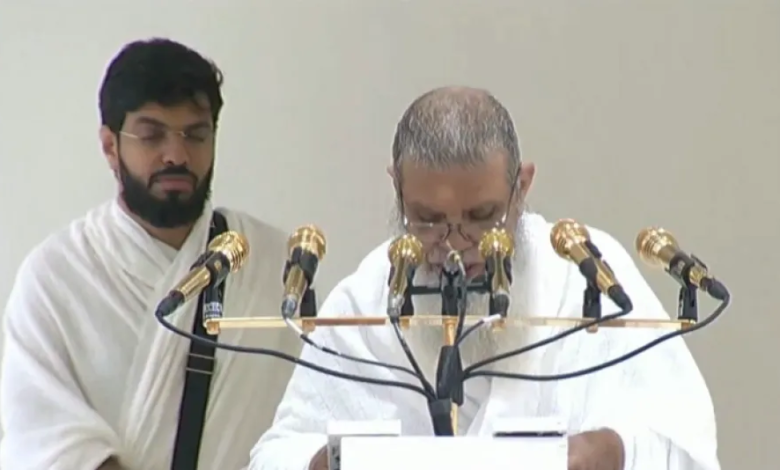
في صباح يوم عرفة، يبدأ المسجد في استقبال ضيوف الرحمن الذين يفدون إليه من كل فج عميق، يرتدون لباس الإحرام الأبيض، في مشهد مهيب يرمز إلى المساواة والوحدة. ومع حلول وقت صلاة الظهر، يلقي إمام وخطيب المسجد خطبة يوم عرفة من على منبره، وهي خطبة يتابعها مئات الملايين من المسلمين حول العالم عبر البث المباشر. تتناول الخطبة عادةً قضايا الأمة الإسلامية، وتدعو إلى التراحم والوحدة ونبذ الفرقة. بعد انتهاء الخطبة، تقام صلاتا الظهر والعصر جمع تقديم وقصراً، بأذان واحد وإقامتين، وهي الصلاة الوحيدة التي يشهدها المسجد طوال العام، ليظل مغلقاً بعد ذلك حتى موسم الحج التالي.
تطور المسجد وأثره العالمي
شهد مسجد نمرة توسعات ضخمة عبر التاريخ، كان أكبرها وأهمها في العهد السعودي، حيث وصلت مساحته إلى ما يقارب 110 آلاف متر مربع، مع ساحة خارجية مظللة تبلغ مساحتها 8 آلاف متر مربع، ليتسع لنحو 350 ألف مصلٍ. هذه التوسعات تعكس الاهتمام الكبير الذي توليه المملكة العربية السعودية لخدمة الحجاج وتوفير أقصى درجات الراحة لهم. إن الأثر الروحي والاجتماعي لمسجد نمرة يتجاوز حدوده الجغرافية؛ فالخطبة التي تُلقى منه سنوياً تمثل رسالة سنوية موجهة للعالم الإسلامي، تساهم في تشكيل الوعي وتوجيه الرأي العام في العديد من القضايا، مما يجعله منبراً إعلامياً وروحياً ذا تأثير عالمي فريد.