
الأهمية التاريخية والدينية لمسجد نمرة
يُعد مسجد نمرة أحد أبرز المعالم الإسلامية والتاريخية في مشعر عرفات، وأحد أكبر المساجد في العالم من حيث المساحة والطاقة الاستيعابية. يكتسب المسجد أهميته الكبرى من رمزيته الدينية العميقة، حيث بُني في الموضع الذي خطب فيه النبي محمد -صلى الله عليه وسلم- خطبة الوداع. وفي يوم عرفة، تتجه قلوب وأنظار ملايين المسلمين من شتى بقاع الأرض إلى هذا الصعيد الطاهر، حيث يشكل المسجد نقطة التقاء روحانية مهيبة يعيش فيها ضيوف الرحمن أجواءً مفعمة بالخشوع، مستمعين إلى خطبة عرفة، ومؤدين لصلاتي الظهر والعصر جمعاً وقصراً اقتداءً بالسنة النبوية المطهرة.
التأثير المحلي والدولي لجهود المملكة
على الصعيد المحلي، تعكس التجهيزات الضخمة في مسجد نمرة التزام المملكة العربية السعودية الراسخ بخدمة الحرمين الشريفين والمشاعر المقدسة، وهو ما يتماشى مع مستهدفات رؤية 2030 الرامية إلى إثراء التجربة الدينية للحجاج والمعتمرين. أما إقليمياً ودولياً، فإن البث المباشر لخطبة عرفة من هذا المسجد، والذي يُترجم إلى عشرات اللغات، يمثل رسالة سلام ووسطية تنطلق من قلب مكة المكرمة لتصل إلى مئات الملايين من المسلمين حول العالم، مما يبرز الدور الريادي للمملكة في توحيد الصف الإسلامي ونشر قيم التسامح.
استعدادات استثنائية لموسم الحج
أنهت وزارة الشؤون الإسلامية والدعوة والإرشاد كافة استعداداتها في مسجد نمرة لاستقبال ضيوف الرحمن لموسم الحج، من خلال منظومة متكاملة من الخدمات التشغيلية والفنية. وقد اكتست أروقة المسجد بالسجاد الفاخر على مساحة تتجاوز 125 ألف متر مربع. كما شملت أعمال التطوير تحديث أنظمة التكييف والتهوية، ورفع كفاءة الخدمات الكهربائية والصوتية، لضمان بيئة إيمانية مريحة تمكن الحجاج من أداء مناسكهم بكل يسر وطمأنينة.
مكافحة الإجهاد الحراري وتلطيف الأجواء
نظراً لتزامن موسم الحج مع فصل الصيف، أولت الجهات المعنية اهتماماً بالغاً بمكافحة الإجهاد الحراري. وشملت الاستعدادات تركيب 19 مظلة ضخمة في الساحة الخلفية للمسجد، تسهم في خفض درجات الحرارة بنحو 10 درجات مئوية. بالإضافة إلى ذلك، تم طلاء الأرضيات بمواد عاكسة لأشعة الشمس، وتشغيل 117 مروحة رذاذ ضبابي موزعة في الساحات المحيطة، تعمل عبر مضخات مياه عالية الضغط لخفض الحرارة بما يصل إلى 9 درجات مئوية.
أنظمة تهوية متطورة وخدمات متكاملة
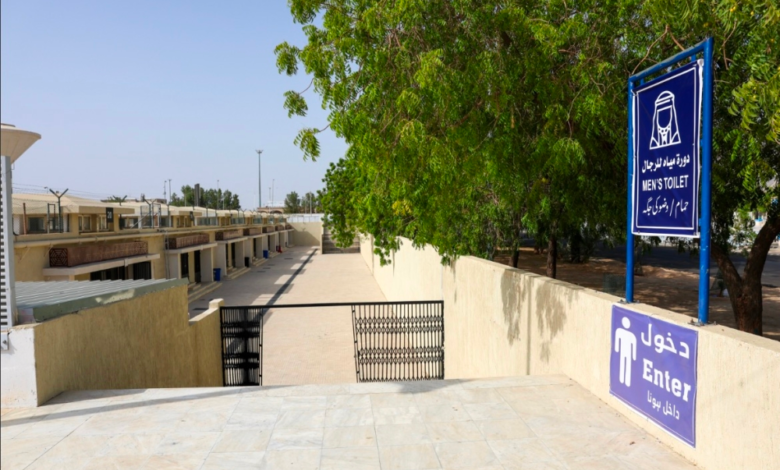
في جانب التهوية، تم تحديث نظام التحكم المركزي للتكييف ليتيح مراقبة جودة الهواء ومستويات ثاني أكسيد الكربون، مع ضمان تجدد هواء المسجد بالكامل مرتين في الساعة، مما يوفر بيئة صحية وآمنة. كما عززت الوزارة خدمات السقيا بتركيب 70 وحدة تبريد مياه بطاقة استيعابية تصل إلى 140 ألف حاج في الساعة. ولضمان انسيابية الحركة، تم تجهيز 72 باباً للمسجد، مدعومة بنظام صوتيات متطور وكاميرات مراقبة أمنية دقيقة.
التوعية والإرشاد الرقمي
لم تغفل الاستعدادات الجانب التوعوي، حيث كثفت الوزارة خدمات الإرشاد والدعوة عبر تشغيل 150 شاشة رقمية تبث رسائل توعوية بعدة لغات. كما تم توفير منصات اتصال مرئي للرد على الاستفسارات الشرعية، وتكليف مئات الدعاة والمترجمين لخدمة الحجاج، مما يضمن أداء المناسك على الوجه الأكمل وفق هدي النبوة.