Saudi Arabia weather today: Light fog and reduced visibility in 4 coastal regions

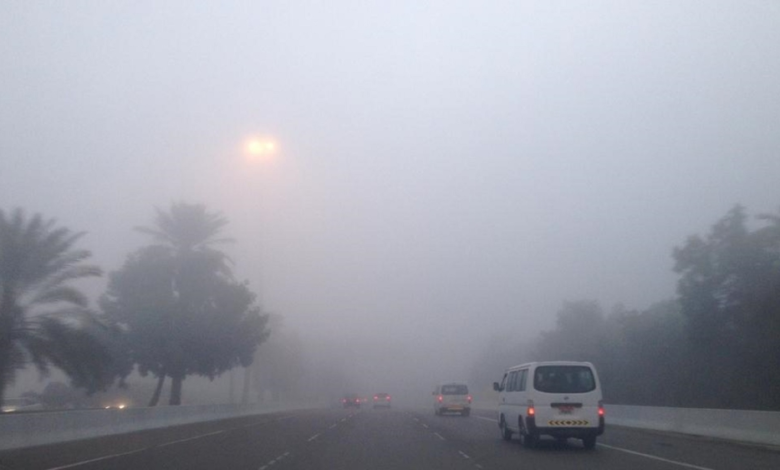
issued The National Center for Meteorology in Saudi Arabia weather conditions during the early morning hours, indicating that light fog would affect large parts of the coastal areas. The center explained in its report that this weather condition would persist until 8:00 AM in some areas and extend to 9:00 AM in others, urging drivers and highway users to exercise caution.
Weather details and affected areas
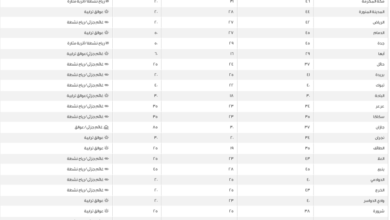
According to data from the early warning system, the main impact of this weather event is a reduction in horizontal visibility to between 3 and 5 kilometers. The center has identified the areas and cities covered by the alert as follows:
- The Eastern Province: includes Jubail, Khobar, Dammam, Dhahran, Qatif, Ras Tanura, in addition to Al-Udayd Governorate.
- Makkah Region: The coastal governorates are affected and include Al Qunfudhah, Al Lith, Jeddah, and Rabigh.
- Medina: The fog extends to include Al-Rais and Yanbu.
- Jazan region: includes Farasan Island and Jazan city.
The geographical and climatic context of the coastal fog phenomenon
This weather phenomenon occurs within the context of typical climatic shifts during the transition between seasons, when relative humidity levels rise significantly in coastal areas along the Arabian Gulf and the Red Sea. Cities like Dammam, Jeddah, and Yanbu are among the most susceptible to these phenomena due to their direct geographical location on bodies of water, leading to condensation of water vapor and the formation of light fog during the early morning hours when minimum temperatures are lower.
The importance of warnings and their impact on public safety
This warning is particularly important given its timing, coinciding with the weekend, a time when highways and coastal roads typically see heavy traffic between provinces. Reduced visibility directly impacts traffic flow, especially on international and arterial roads connecting cities on the west coast (such as the Jeddah-Yanbu road) or the east coast.
In such conditions, authorities consistently urge adherence to traffic safety rules, reducing speed, using fog lights, and maintaining a safe distance between vehicles to avoid accidents that may result from reduced visibility. The National Center of Meteorology's early warning system is a vital tool for enhancing public safety, enabling citizens and residents to plan their movements in advance and avoid peak times of weather events.