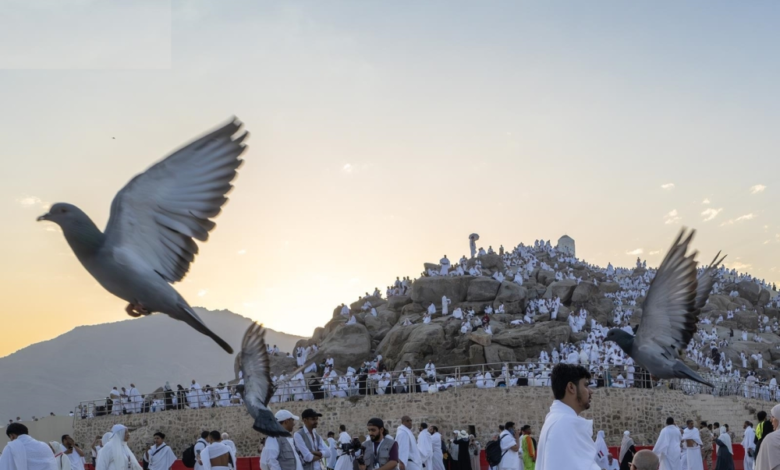

استعدادات استثنائية لخدمة ضيوف الرحمن
عزز المركز الوطني للأرصاد في المملكة العربية السعودية من قدراته الفنية والتقنية والتشغيلية لتقديم أفضل خدماته الأرصادية خلال يوم عرفة. وتأتي هذه الخطوة الاستراتيجية تحقيقاً لأعلى درجات الدقة والجاهزية، وتوفيراً للاحتياجات اللازمة التي تسهم بشكل مباشر في خدمة حجاج بيت الله الحرام وتيسير أداء مناسكهم بأمان وطمأنينة.
السياق التاريخي وأهمية إدارة المناخ في الحج
تاريخياً، تولي حكومة المملكة العربية السعودية اهتماماً بالغاً بسلامة ضيوف الرحمن، حيث يُعد موسم الحج من أكبر التجمعات البشرية على مستوى العالم. ونظراً لتغير مواسم الحج عبر السنوات وفقاً للتقويم الهجري، فإن إدارة التحديات المناخية، خاصة في مواسم الصيف التي تشهد ارتفاعاً ملحوظاً في درجات الحرارة، تعتبر أولوية قصوى. وقد تطورت منظومة الأرصاد السعودية عبر العقود، لتنتقل من الرصد التقليدي إلى استخدام أحدث التقنيات العالمية، بما يتماشى مع مستهدفات رؤية السعودية 2030 في تسخير التقنية لخدمة الإنسان وإدارة الحشود.
الذكاء الاصطناعي والتوقعات الآنية
وفي هذا السياق، يأتي دمج تقنيات الذكاء الاصطناعي ضمن منظومة التوقعات الآنية كقفزة نوعية في مجال الأرصاد الجوية. هذا التطور يتيح للمركز تحليل البيانات الضخمة بسرعة فائقة وتقديم قراءات دقيقة ومستمرة، مما يدعم الجهود المبذولة بالتنسيق المستمر مع كافة الجهات المعنية بخدمة ضيوف الرحمن. حيث يتم تزويد هذه الجهات بالمعلومات والبيانات الجوية والظواهر المحتملة بشكل آني، ضمن إطار منظومة دعم متكاملة تسهم في اتخاذ القرارات الاستباقية لحماية الحجاج من الإجهاد الحراري أو أي تقلبات جوية مفاجئة.
الحالة الجوية في مشعر عرفات والتقنيات المستخدمة
وحول الحالة الجوية في مشعر عرفات، أوضح المشرف العام على أعمال الحج والعمرة بالمركز، الدكتور تركي حبيب الله، أن المركز يتابع الحالة الجوية بدقة متناهية من خلال شبكة واسعة من التقنيات الحديثة. وتشمل هذه الشبكة رادارات الطقس المتقدمة، وصور الأقمار الصناعية عالية الدقة، والمحطات الأوتوماتيكية والمأهولة، إلى جانب المحطات المتنقلة المخصصة لقياس طبقات الجو العليا. كل هذه الأدوات تسهم في ضمان دقة التوقعات ومواكبة متطلبات الجهات العاملة في الميدان.
خمس محطات أرصادية لتغطية المشاعر المقدسة
وأضاف الدكتور حبيب الله أن التغطية الأرصادية تشمل خمس محطات رئيسية موزعة استراتيجياً بين مشعري عرفات ومزدلفة لضمان المتابعة اللحظية. وتتضمن هذه المحطات: محطة الرصد شبه الآلية، ومحطة الرصد المأهولة، ومحطة الرصد الأوتوماتيكية بوادي عرنة في مشعر عرفات، ومحطة الرصد الأوتوماتيكية بالمشعر الحرام، إضافة إلى محطة الرصد الأوتوماتيكية المتنقلة في مزدلفة.
توقعات طقس يوم عرفة والتأثير المتوقع
ومن المتوقع أن يشهد مشعر عرفات درجات حرارة عظمى تبلغ 45 درجة مئوية، مع معدلات رطوبة قد تصل إلى 50%، ورياح نشطة تتجه من شمالية إلى شمالية شرقية بسرعة تصل إلى 36 كم/ساعة، في ظل سماء غائمة جزئياً.
إن هذا الاستعداد المبكر والدقيق لا ينعكس تأثيره محلياً فحسب، بل يمتد إقليمياً ودولياً، حيث يبعث رسالة طمأنينة لملايين المسلمين حول العالم وللدول التي ترسل بعثاتها للحج، مؤكداً قدرة المملكة العربية السعودية على إدارة الحشود الضخمة في أصعب الظروف المناخية بكفاءة واقتدار، وتوفير بيئة صحية وآمنة لإتمام الركن الخامس من أركان الإسلام.