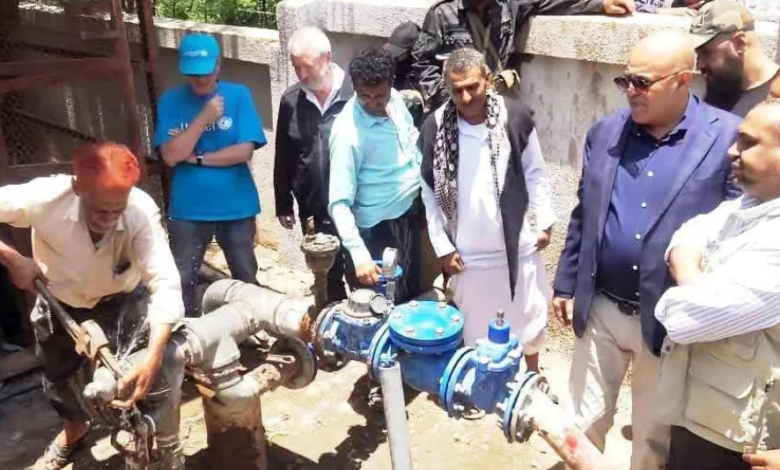

كشف تقرير دولي حديث عن واقع مأساوي تعيشه مدينة عدن، العاصمة اليمنية المؤقتة، حيث يعيش ما يقارب ثلثي سكانها خارج نطاق تغطية شبكة المياه الحكومية. يسلط هذا الرقم الصادم الضوء على عمق الأزمة الإنسانية التي تضرب المدينة، ويعكس الانهيار الواسع في البنية التحتية والخدمات الأساسية نتيجة سنوات من الصراع وعدم الاستقرار.
خلفية تاريخية وسياق الأزمة
لم تكن مشكلة المياه في اليمن وليدة اللحظة؛ فالبلاد مصنفة كواحدة من أفقر دول العالم مائياً حتى قبل اندلاع الصراع في عام 2014. إلا أن الحرب فاقمت الوضع بشكل كارثي. ففي عدن، كما هو الحال في معظم المدن اليمنية، تعرضت البنية التحتية لقطاع المياه لأضرار بالغة، بما في ذلك محطات الضخ، وخطوط الأنابيب، ومحطات المعالجة. أدى الحصار الاقتصادي وشح الوقود وانعدام الصيانة الدورية إلى توقف العديد من الآبار والمضخات عن العمل، مما قلص قدرة المؤسسة المحلية للمياه والصرف الصحي على تلبية احتياجات السكان المتزايدة، خاصة مع موجات النزوح الكبيرة التي استقبلتها المدينة.
التأثيرات المتوقعة على مختلف الأصعدة
إن حرمان نسبة كبيرة من السكان من الوصول إلى مياه نظيفة وآمنة له تداعيات خطيرة تتجاوز مجرد العطش. فعلى الصعيد المحلي، يضطر المواطنون إلى الاعتماد على بدائل مكلفة وغير آمنة، مثل شراء المياه من الصهاريج الخاصة بأسعار باهظة تستنزف دخل الأسر المحدود أصلاً، أو اللجوء إلى مصادر مياه ملوثة، مما يفتح الباب على مصراعيه أمام تفشي الأمراض المنقولة عبر المياه مثل الكوليرا والإسهالات، والتي شهد اليمن موجات قاتلة منها خلال السنوات الماضية. تتحمل النساء والأطفال العبء الأكبر في هذه الأزمة، حيث يقع على عاتقهم في كثير من الأحيان مهمة جلب المياه من نقاط بعيدة، مما يعرضهم للمخاطر ويحرم الأطفال من التعليم.
أما على الصعيدين الإقليمي والدولي، فإن انهيار الخدمات الأساسية في مدينة بحجم وأهمية عدن يمثل مؤشراً خطيراً على فشل الدولة ويزيد من حالة عدم الاستقرار في المنطقة. كما أنه يزيد من الضغط على المنظمات الإنسانية الدولية التي تعمل في بيئة محفوفة بالمخاطر، وتجد صعوبة في سد الفجوة الهائلة بين الاحتياجات والموارد المتاحة. إن استمرار هذه الأزمة يهدد بتقويض أي جهود مستقبلية لتحقيق السلام وإعادة الإعمار، حيث لا يمكن بناء استقرار دائم في ظل غياب أبسط مقومات الحياة الكريمة.